
Cyberattacks Hijack Russian and Ukrainian Emergency Apps, Spreading Fake Nuclear Alerts
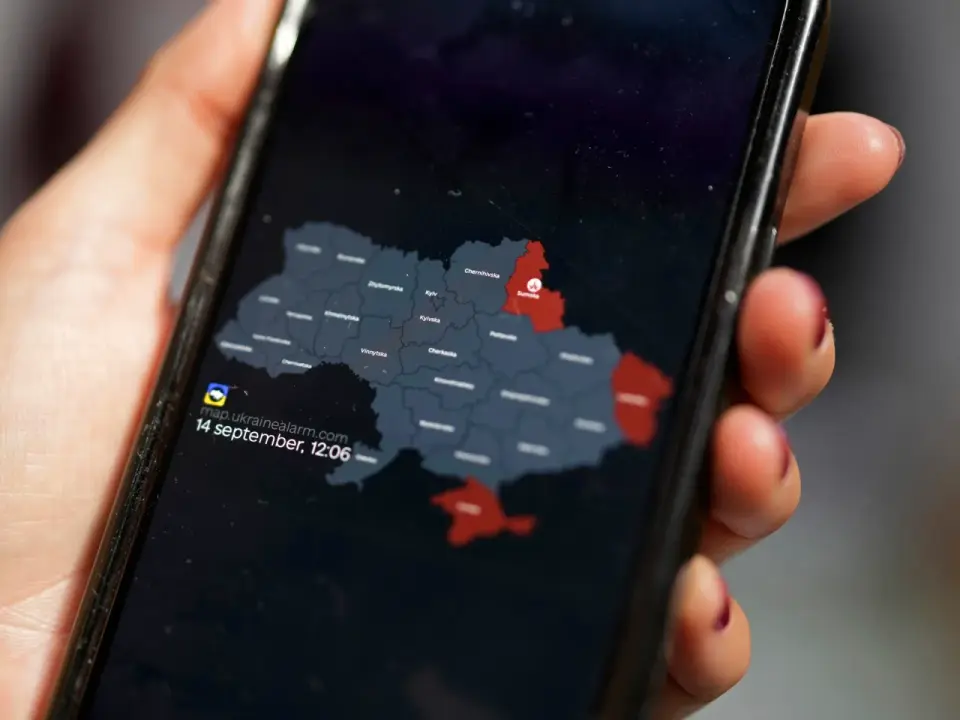
Emergency alert applications in Russia and Ukraine were compromised on Sunday and Monday, sending false warnings of nuclear, chemical, and radiation threats to millions of users. Ukrainian authorities confirmed the breach of their 'Air Alert' app, which issued alerts for Kyiv and other regions, while Russian officials acknowledged a 'massive cyberattack' on their own platform. Although the fake alerts caused minimal panic due to their obvious inauthenticity, they exposed significant vulnerabilities in critical civilian infrastructure during the ongoing conflict. The incidents occurred shortly after the expiration of a six-day humanitarian ceasefire in the occupied town of Oleshky, which allowed for the evacuation of nearly 800 civilians.
Key points
- Ukraine's Air Force confirmed its 'Air Alert' app was hacked, sending false warnings of nuclear and chemical threats to Kyiv residents late Sunday.
- Russia's Ministry of Civil Defence reported its emergency app was hit by a 'massive cyberattack' on Monday, sending fake alerts to 33 regions claiming nuclear warheads were launched.
- The attacks coincided with the end of a six-day humanitarian ceasefire in the Russian-occupied town of Oleshky, which allowed for evacuations and aid delivery.
- Ukrainian authorities blamed Russia for the hack, citing Russian-language messages, while a Russian Telegram channel claimed the hacking group Hitcore was responsible, though this remains unverified.
- Both countries emphasized that primary alert systems, including sirens and SMS, remained unaffected, and officials urged citizens to rely on official channels for updates.
Background
This incident follows a series of cyberattacks on critical infrastructure in both countries since the start of the full-scale invasion in 2022. In late 2023, the Russian hacker group Sandworm took the private telecommunications network Kyivstar offline, disrupting notifications for days. Ukrainian groups, including the IT Army of Ukraine, have also launched multiple cyberattacks on Russia, targeting power grids and government websites. The recent attacks highlight the escalating digital and psychological warfare tactics used by both sides in the conflict.
How outlets are covering it
Al Jazeera and CNN reported that the fake alerts caused minimal panic, with many users recognizing the inauthenticity of the messages. However, The Guardian noted that some residents were briefly terrified, and the incidents exposed significant vulnerabilities in critical civilian infrastructure. BBC reported that the attacks coincided with the end of a six-day humanitarian ceasefire in Oleshky, which allowed for evacuations and aid delivery. The Guardian also reported that Russian soldiers used the ceasefire to strengthen their positions in Oleshky and rotate in new troops. Al Jazeera and CNN emphasized that both countries worked to restore and secure their digital platforms, while BBC noted that the attacks highlighted the escalating digital and psychological warfare tactics used by both sides in the conflict.
Why it matters
The hacking of emergency alert apps in both Russia and Ukraine highlights the growing vulnerability of critical civilian infrastructure to cyberattacks. The incidents exposed significant weaknesses in digital systems that are relied upon for public safety, potentially undermining trust in official warning systems. The attacks also coincided with the end of a humanitarian ceasefire, raising concerns about the potential for further escalation in the conflict. The incidents underscore the need for robust cybersecurity measures to protect critical infrastructure and maintain public confidence in emergency alert systems.
What to watch
Both countries are working to restore and secure their digital platforms, with Ukrainian authorities taking additional measures to prevent similar situations in the future. Russian officials stated that efforts to fix their system are ongoing, and the app is expected to be fully restored by the end of the day. The incidents may lead to increased scrutiny of cybersecurity measures in both countries, and potentially to further cyberattacks or escalations in the conflict. The end of the ceasefire in Oleshky may also lead to renewed fighting along the front lines, with both sides accused of using the period to strengthen their positions.
- Nuclear radiation in Russia, Ukraine? No, just hacked warning alerts Al Jazeera
- Fake warnings of nuclear attack posted on hacked Russian and Ukrainian emergency apps CNN
- Russia and Ukraine say emergency alert apps were hit by apparent cyber-attacks BBC
- WATCH: Zelenskyy confirms Ukraine hacked back after Russia's cyberattack of its emergency alert system PBS
- Hackers send fake nuclear threat alert to Ukraine emergency app The Guardian
Want the full story? Read the original reporting
Read on Al Jazeera