
Iran Hosts Gulf Talks on Hormuz as Ceasefire Holds Amid Drone Strikes
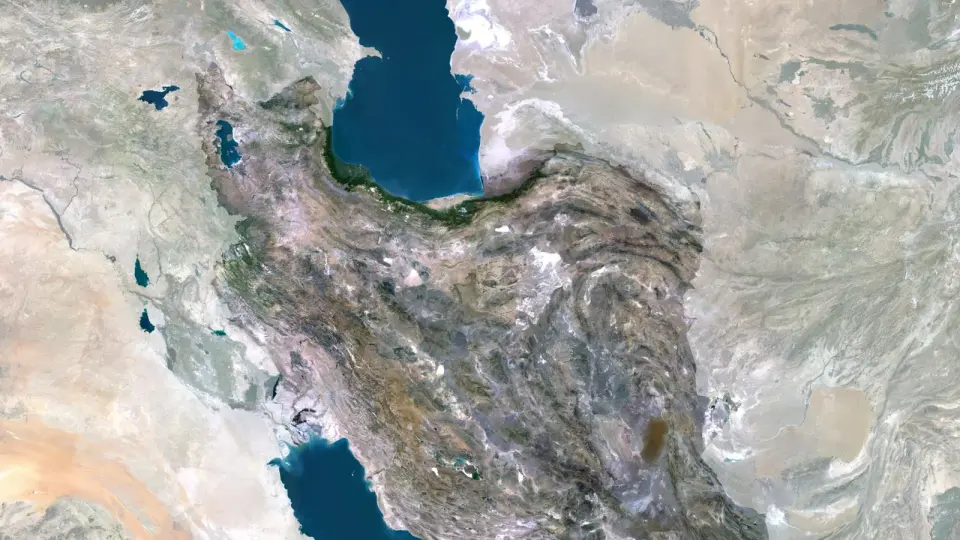
Iran’s foreign ministry confirmed phone calls with Saudi and Omani counterparts regarding the Strait of Hormuz, framing the dialogue as a move to restore regional stability. This diplomatic activity coincides with a fragile pause in direct US-Iran hostilities that has held for two weeks. While US President Donald Trump praised 'good talks' and suggested progress, Tehran denied direct negotiations are occurring, claiming communication is happening only through intermediaries. Markets reacted positively to the ceasefire, with oil prices falling, though tensions remain high due to ongoing drone attacks on Saudi oil facilities and US warnings that strikes will resume if diplomatic progress stalls.
Key points
- Iran’s Foreign Minister Seyyed Abbas Araqchi held separate calls with Saudi Arabia’s Faisal bin Farhan and Oman’s Badr Al-Busaidi to discuss regional stability and the security of the Strait of Hormuz.
- The US-Iran ceasefire, which began after two weeks of strikes, appeared to hold on Tuesday, leading to a rally in stocks and a drop in oil prices.
- President Trump hailed 'good talks' with Iran but warned that US strikes would resume if negotiations fail to yield progress, while Iran denied direct talks are taking place.
- Saudi Arabia reported intercepting drones targeting its oil facilities, blaming Iran-backed militias in Iraq, though Yemen’s Houthis also claimed responsibility for similar attacks.
- Iran’s deputy foreign minister warned that Tehran would consider 'any action' to maintain control over the Strait of Hormuz, including the resumption of war if necessary.
Background
This development follows a period of intense tension in the Persian Gulf, where Iran and Oman previously held crisis talks in Muscat to address US demands for open shipping lanes. Earlier in July, oil prices had hovered near pre-war levels as OPEC+ adjusted output, but recent conflicts have disrupted this stability. The current diplomatic efforts build on previous attempts to establish a new shipping framework, with Washington favoring a southern route along the Omani coast while Tehran seeks routing closer to its control. The broader geopolitical landscape includes ongoing friction between Gulf states and shifting alliances, with Iraq and Saudi Arabia navigating complex security challenges amid the conflict.
How outlets are covering it
CNBC emphasizes the diplomatic breakthrough, highlighting the phone calls between Iran, Saudi Arabia, and Oman as a sign of de-escalation and the positive market reaction to the ceasefire. It notes the discrepancy between Trump’s optimistic tone and Iran’s denial of direct talks. Al Jazeera, however, focuses on the continued military volatility, detailing a recent Iranian ballistic missile attack on US forces that was intercepted, and the ongoing drone strikes on Saudi oil facilities. Al Jazeera also highlights the broader regional instability, including Israeli actions in Gaza and the West Bank, suggesting that the ceasefire is fragile and that multiple fronts remain active. The two outlets differ in their emphasis: CNBC sees the talks as a path to peace, while Al Jazeera points to the persistent threat of renewed conflict and the unclear attribution of recent attacks.
Why it matters
The Strait of Hormuz is a critical chokepoint for global oil supply, and any instability there can cause significant price spikes and economic disruption. The current diplomatic efforts aim to prevent a return to full-scale conflict, which could have severe consequences for global energy markets and regional security. The involvement of Saudi Arabia and Oman as mediators reflects the complex web of alliances and rivalries in the Middle East, where balancing US interests with regional stability is a key challenge. The outcome of these talks will likely influence the trajectory of the US-Iran relationship and the broader geopolitical landscape in the region.
What to watch
The next few days will be critical in determining whether the ceasefire holds. Watch for any further military actions, such as additional drone strikes or missile launches, which could signal a breakdown in the peace process. Diplomatic channels, including potential direct talks or continued intermediary communications, will be closely monitored for signs of progress or failure. Oil markets will remain sensitive to any news from the region, with prices likely to fluctuate based on the perceived risk of renewed conflict. Additionally, the actions of other regional actors, such as the Houthis in Yemen and Israeli forces in Gaza, could influence the overall stability of the region.
- Iran hosts Hormuz calls with Saudi Arabia, Oman as Trump hails ‘good talks’ CNBC
- Iran war live: Oman sends Hormuz plan with Gulf nations reportedly onboard Al Jazeera
- Gulf states back plan to let Iran collect voluntary fees to use Hormuz Reuters
- Iran and Oman Seek Agreement on Hormuz in Bid to Jumpstart Peace Talks WSJ
- Trump Talks Up Iran Diplomacy as Negotiations Focus on Hormuz Bloomberg.com
Want the full story? Read the original reporting
Read on CNBC