
China’s ‘Clean Internet’ Campaign Silences Flood Casualty Data in Tibet
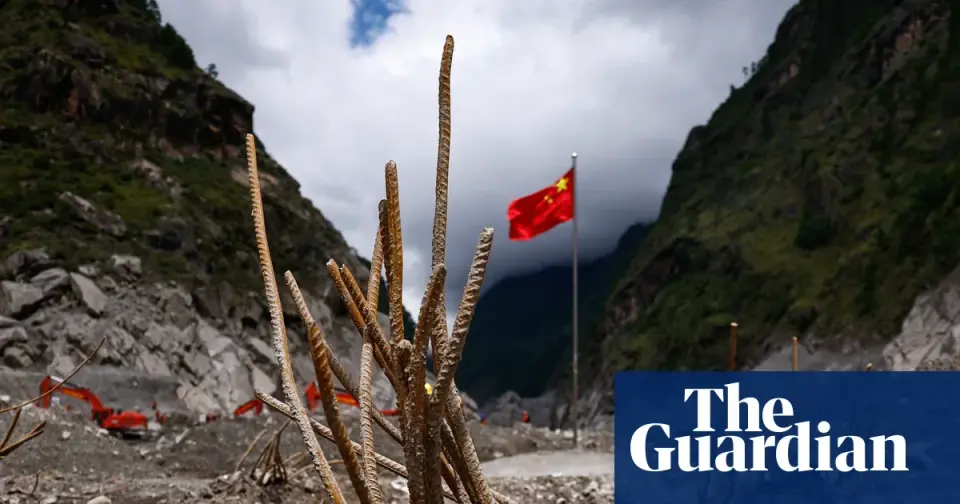
Chinese authorities are using the 'Clean Internet 2026' campaign to suppress unofficial reports of the Nepal-Tibet border floods, resulting in a significant gap between official casualty figures and independent estimates. While Beijing reports 43 deaths, critics allege the true toll exceeds 1,000, with social media posts about the disaster being deleted for containing 'politically sensitive content.'
Key points
- The Chinese Ministry of Public Security is applying the 'Clean Internet 2026' campaign to punish individuals for spreading 'rumours' about the flood, specifically targeting claims that the death toll exceeds 1,000.
- On August 30, police in Tibet reported 10 cases of administrative punishment related to the disaster, including a user from Jiangxi province who claimed 826 people were missing.
- WeChat and other platforms have deleted posts about the floods, citing 'policy violations' or 'prohibited content,' while foreign journalists have been denied access to the Tibet side of the disaster zone.
- Tibetan advocacy groups and researchers argue that the campaign serves a dual purpose: addressing genuine misinformation while tightening control over public narratives and suppressing independent accounts of the disaster's scale.
- Official Chinese media coverage emphasizes rescue operations and leadership responses but omits details about missing persons, building searches, and local community impacts, creating an information vacuum for families seeking news of relatives.
Background
This incident follows a series of earlier reports from September 2026 detailing the devastating glacier-triggered floods along the Nepal-Tibet border. Previous coverage highlighted a stark discrepancy between Nepal’s reported missing count of over 4,200 and China’s initial figure of 541, including 261 foreigners. Earlier articles noted that authorities on both sides struggled to provide clear updates, with relatives relying on embassies and social media to locate loved ones. The current situation reflects an escalation in information control, moving from initial confusion to active suppression of data that contradicts official narratives.
How outlets are covering it
The Guardian and The Diplomat agree that Chinese authorities are actively suppressing information about the floods, but they emphasize different aspects of the control mechanism. The Guardian focuses on the legal and technological enforcement of the 'Clean Internet 2026' campaign, highlighting specific police actions and platform deletions as evidence of a consistent policy of public-opinion guidance. It cites anonymous former state media journalists who argue that omission is as powerful as suppression, noting that official coverage prioritizes proving state efficacy over answering basic questions about the missing. The Diplomat, however, frames the issue within a broader context of international media relations and historical precedent. It contrasts the current restrictions with the 2008 Sichuan earthquake, where initial openness eventually gave way to tighter controls, and highlights the role of Western media bias accusations in reinforcing Beijing’s justification for censorship. While The Guardian emphasizes the internal mechanics of control, The Diplomat focuses on the geopolitical feedback loop between Western criticism and Chinese restrictive policies.
Why it matters
This situation illustrates the increasing use of legal frameworks to control disaster narratives, potentially obscuring the true scale of climate-related disasters in sensitive regions. The suppression of information hampers international aid coordination and prevents families from receiving accurate updates, raising questions about the transparency of state responses to humanitarian crises in politically sensitive areas.
What to watch
Authorities may continue to enforce the 'Clean Internet 2026' campaign to suppress dissenting casualty figures, while international advocacy groups will likely press for independent verification of the death toll. The lack of access for foreign journalists may persist, prolonging the information gap and potentially exacerbating tensions between China and Western media outlets.
- How the Nepal-Tibet disaster became the latest victim of China’s ‘Clean Internet’ campaign The Guardian
- As Nepal identifies those killed in the floods, questions grow over China's reporting NPR
- Families of missing pilgrims in Tibet demand answers from China Reuters
- How the Chinese Government Has Controlled the Narrative on the Tibet Floods The Diplomat – Asia-Pacific
- China Falls Victim To Own Secrecy After Nepal’s Deadly Floods Newsweek
Want the full story? Read the original reporting
Read on The Guardian