
U.S. and South Korea halve joint drills as Trump pursues Kim summit
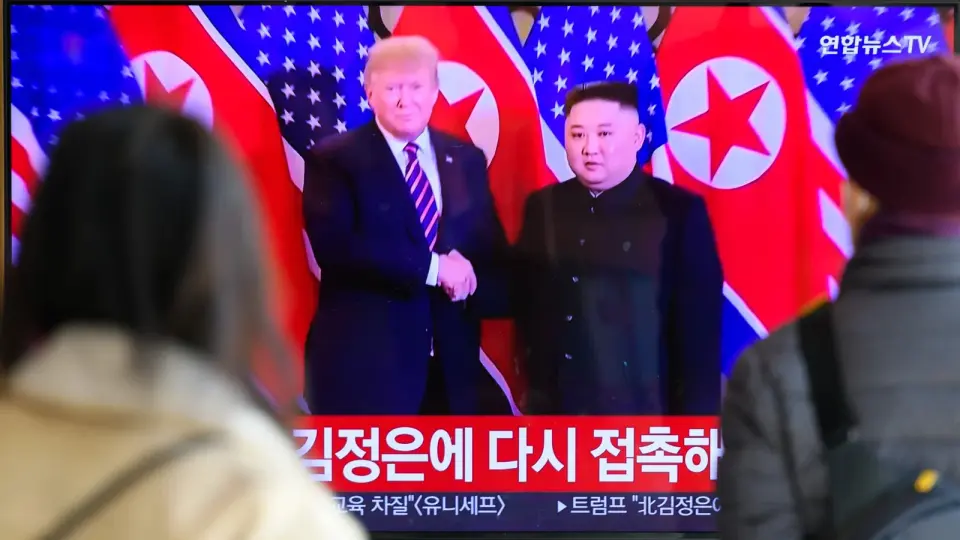
The U.S. and South Korea have cut the annual Ulchi Freedom Shield military exercise by half at Washington’s request, with the event now ending on August 21 instead of August 27. President Trump ordered the reduction to signal goodwill to North Korean leader Kim Jong Un, potentially paving the way for a summit this fall. While Seoul agreed to the change, the move has strained the 70-year alliance, prompting South Korea to accelerate its own defense autonomy and raising concerns among U.S. lawmakers about reliability.
Key points
- The joint exercise period was shortened from 10 days to 5 days, with some field training canceled or converted to simulations.
- Trump cited his 'good relationship' with Kim Jong Un and Seoul’s refusal to support the U.S. in the Iran conflict as reasons for the cut.
- The Wall Street Journal reports Trump is pushing for a meeting with Kim as soon as November, possibly during the APEC summit in Shenzhen.
- South Korean President Lee Jae Myung stated Seoul would boost its own defense spending and capabilities to ensure security independence.
- U.S. lawmakers criticized the move, arguing it rewards a totalitarian regime and undermines deterrence against North Korea’s expanding nuclear arsenal.
Background
This development follows Trump’s initial order on Sunday to scale back the drills, which had previously been described as defensive. Earlier coverage noted that while Seoul initially insisted the drills would proceed as planned, the latest announcement confirms a significant reduction. The alliance has already faced strains over the transfer of wartime operational control and disagreements regarding the Iran conflict.
How outlets are covering it
CNN emphasizes the diplomatic tension, noting that while South Korean President Lee Jae Myung framed the move as supportive of peace, the action unsettles the 70-year alliance. Politico argues that the security impact is minimal due to the deep integration of U.S. and South Korean forces, suggesting Trump’s primary motivation is financial, specifically pressuring Seoul to fulfill a $350 billion investment pledge. CNBC highlights the strategic shift, noting that allies may become more self-sufficient, reducing their reliance on Washington. While all outlets agree the drills were cut, they differ on whether this is a security risk or a transactional political maneuver.
Why it matters
The reduction in joint drills signals a potential pivot in U.S. Asia-Pacific strategy, prioritizing diplomatic overtures to Pyongyang over traditional alliance readiness. This could embolden North Korea, which recently conducted ballistic missile tests, and may accelerate South Korea’s push for greater military autonomy, including nuclear-powered submarines, to mitigate reliance on U.S. security guarantees.
What to watch
Watch for potential U.S.-North Korea diplomatic talks in November, possibly coinciding with the APEC summit in Shenzhen. Additionally, monitor South Korea’s defense budget increases and its efforts to strengthen independent military capabilities, as well as any congressional action to restrict further reductions in U.S. troop levels on the peninsula.
- Seoul, Washington to halve joint drills as Trump reportedly seeks summit with North Korea's Kim CNBC
- Joint military drills with South Korea cut short at US request, Seoul says CNN
- Facing Quagmire in Iran, Trump Turns to a Familiar Face: North Korea’s Kim Jong-un The New York Times
- Trump’s threats to Seoul may be worse than their bite politico.com
- Kelly, Tillis urge Trump to reverse reduction to joint military exercises with South Korea thehill.com
Want the full story? Read the original reporting
Read on CNBC