
Estonian Officials Reject Imminent Russian Attack Fears While Criticizing Trump’s Peace Stalls
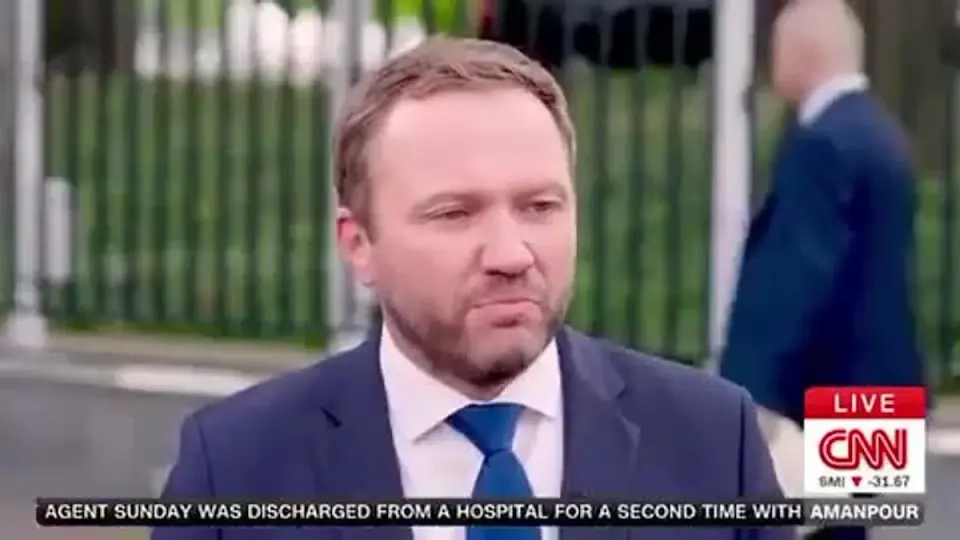
Estonian officials assert that fears of an imminent Russian attack on NATO are exaggerated, emphasizing that Moscow’s primary focus remains the war in Ukraine. While the Estonian Foreign Ministry dismissed rumors of a direct assault as panic-driven, it criticized the U.S. for allowing Russia to use peace negotiations as a tactic to gain battlefield time. Simultaneously, the EU extended sanctions against 3,000 individuals for three years, despite removing two Russian billionaires from the list under political pressure.
Key points
- Estonian Foreign Ministry Secretary General Jonatan Vseviov stated there is no evidence Russia intends to attack NATO, calling media narratives of an imminent strike 'blown out of proportion.'
- Estonian Interior Secretary Tarmo Miilits confirmed intelligence assessments that Russia poses a long-term strategic threat but has no current intent to militarily attack NATO members.
- Estonian Foreign Minister Margus Tsahkna accused President Putin of using U.S. peace efforts to stall for time and increase pressure on Ukraine, rather than seeking genuine peace.
- The EU extended sanctions against 3,000 individuals for three years, but removed Russian billionaires Alisher Usmanov and Mikhail Fridman from the list under pressure from member states.
- Estonia has independently re-imposed sanctions on Usmanov and Fridman to counter the EU decision, while the U.S. is sending a new troop contingent to Estonia.
Background
Recent diplomatic efforts have seen U.S. envoys Steve Witkoff and Jared Kushner meet with Putin multiple times, including a visit to Moscow on Sept. 5, without yielding a breakthrough. Previous tensions included the Kremlin rejecting a proposed meeting in Miami, insisting on Moscow as the venue. Meanwhile, Russian domestic approval ratings have dropped to around 65%, reflecting war fatigue, while Ukraine continues to strike Russian oil infrastructure, which U.S. President Trump has blamed for rising global fuel prices.
How outlets are covering it
USA Today highlights the sharp criticism from Estonian Foreign Minister Margus Tsahkna, who argues that Trump’s well-intentioned peace efforts are being exploited by Putin to buy time and pressure Ukraine. In contrast, ERR News and UA.NEWS focus on the internal Estonian government’s reassurance that fears of a direct Russian attack on NATO are unfounded, with officials like Jonatan Vseviov and Tarmo Miilits urging calm and attributing panic to misinterpreted data and think tank speculation. While USA Today emphasizes the diplomatic failure and Russian opportunism, the Estonian sources prioritize the lack of immediate military threat and the ongoing struggle to maintain EU sanctions unity despite political compromises.
Why it matters
The divergence in Estonian official statements reveals a nuanced approach to managing both immediate security fears and long-term strategic pressures. By dismissing imminent attack rumors while simultaneously criticizing U.S. peace efforts, Estonia balances reassurance to the public with diplomatic pressure on Washington. The EU’s decision to extend sanctions for three years, despite removing two oligarchs, signals a commitment to maintaining economic pressure on Russia, even amid internal political compromises. This dynamic underscores the ongoing tension between diplomatic efforts to end the war and the reality of continued Russian aggression, with Estonia playing a key role in shaping NATO’s response.
What to watch
The U.S. is set to send a new troop contingent to Estonia, reinforcing NATO’s defensive posture. Estonia is preparing to propose adding approximately 1,600 more individuals to EU sanctions lists, as advocated by Foreign Minister Kaja Kallas. Meanwhile, U.S. Secretary of State Marco Rubio is scheduled to meet with Russian Foreign Minister Sergey Lavrov at the United Nations, continuing diplomatic efforts despite the lack of progress in peace negotiations. The focus will remain on whether Russia’s continued strikes on Ukraine and energy infrastructure will force a shift in European policy or if diplomatic stalling will persist.
- Putin Humiliated as Kremlin’s War Talk Turns to Survival Yahoo
- Vladimir Putin Humiliated as Kremlin’s War Talk Turns to Survival thedailybeast.com
- Putin is using Trump to stall for time in Ukraine, Estonia foreign minister says USA Today
- Estonian MFA: Rumors of impending Russian attack blown out of proportion ERR
- Estonian Interior Ministry Secretary General Miilits: Russia does not intend to attack NATO — ERR News UA.NEWS
Want the full story? Read the original reporting
Read on Yahoo