
EU Transit Blockade Threatens Ukraine’s 2027 Harvest as Poland and Romania Refuse Aid
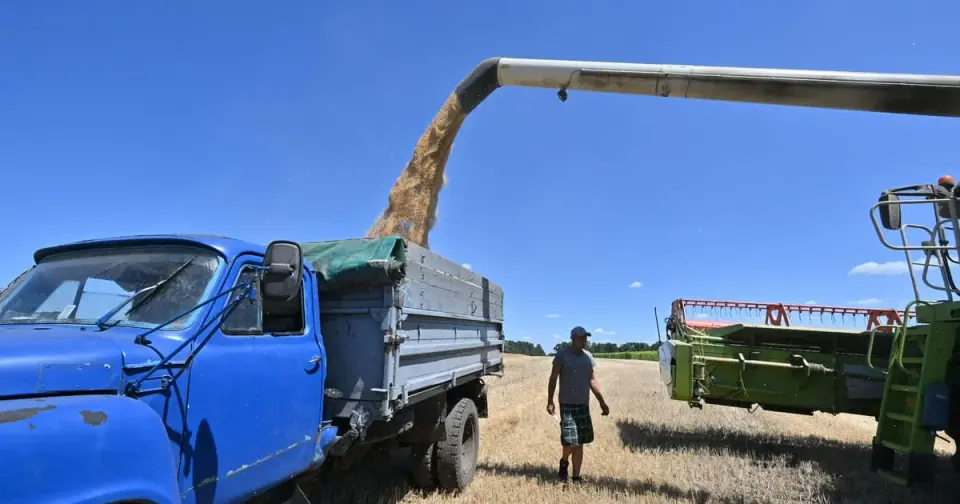
Ukraine’s agriculture minister, Taras Vysotskyi, appealed to Brussels for €1.1 billion in subsidies and expanded transit routes to move grain trapped by the Black Sea blockade. Poland and Romania rejected the request, citing overloaded infrastructure and the need to protect domestic farmers. Vysotskyi warned that without aid, Ukraine’s sown area could shrink by 35-40% next year, potentially triggering a global food crisis.
Key points
- Ukraine requested €1.1 billion to cover higher shipping costs and expand transit corridors through Europe.
- Poland and Romania refused, stating their rail, road, and port capacities are already saturated by domestic needs and low Danube water levels.
- Vysotskyi warned that current storage bottlenecks could reduce Ukraine’s 2027 planting area by 35-40%.
- A Council on Foreign Relations report suggests the blockade could affect 17% of the world’s traded grain.
- Germany and the Netherlands are exploring alternative export routes, while the EU has not committed to a collective financial response.
Background
This dispute follows a third month of Russian attacks on Ukrainian Black Sea ports, which have paralyzed maritime exports. Previously, Poland, Slovakia, and Hungary had already barred Ukrainian grain imports to protect local markets. The current standoff highlights the tension between EU solidarity with Kyiv and the economic pressures facing European farmers, who are dealing with drought and rising input costs.
How outlets are covering it
Politico emphasizes the failure of EU solidarity, noting that domestic political realities in Poland and Romania outweighed diplomatic appeals. Kyiv Post highlights the specific infrastructure constraints, such as the inability to double train or port capacity, and notes the broader context of Turkish mediation efforts regarding maritime safety. While The Independent’s source text was largely technical code, the headline suggests a focus on the global economic ripple effects of the deadlock. All sources agree that the refusal by Poland and Romania is driven by the protection of local agricultural interests.
Why it matters
The inability to export millions of tons of grain could lead to a significant contraction in Ukraine’s future harvest, exacerbating global food insecurity. The standoff also illustrates the limits of EU support mechanisms when member states prioritize domestic economic stability over geopolitical solidarity.
What to watch
The EU may consider a collective response to the crisis, though no commitments have been made. Ukraine is looking to Dutch and German ports for alternative routes. If the blockade persists until spring, the 35-40% reduction in sown area could have long-term impacts on global grain prices and availability.
- EU neighbors shun Kyiv’s plea to free trapped grain politico.eu
- The crippling effect we’re all feeling from the deadlock in Ukraine’s war with Russia The Independent
- Turkey and UN Broker Talks on Russia-Ukraine Black Sea Truce Bloomberg.com
- Poland, Romania Reject Ukraine Appeal for Grain Transit Help Kyiv Post
- Afghan migrant who stabbed dog walker to death sentenced to indefinite hospital order Inbox.eu
Want the full story? Read the original reporting
Read on politico.eu