
Allies Retreat: Gold, Bonds, and Travel Declines Signal a Shift in U.S. Influence
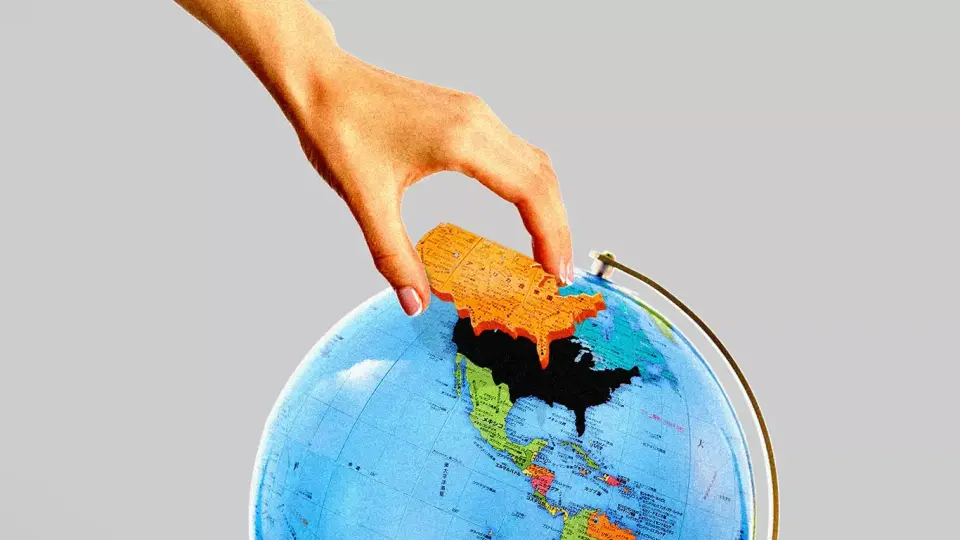
European nations are actively reducing reliance on the U.S. through financial and strategic moves. The Netherlands moved 86 tons of gold out of the U.S. and Canada, while France relocated all its gold from New York. Norway’s sovereign wealth fund is cutting U.S. Treasury holdings. Simultaneously, international travel to the U.S. fell 5.5% in 2025, and college applications dropped 10%, reflecting strained relations and stricter visa policies.
Key points
- The Netherlands transferred 86 tons of gold from the U.S. and Canada, citing 'extreme systemic risks.'
- France moved all its gold reserves out of New York, while Germany debated similar actions.
- Norway’s sovereign wealth fund announced plans to reduce U.S. government bond holdings.
- International travel to the U.S. declined 5.5% in 2025, the first drop since the pandemic.
- International applications to U.S. colleges fell 10% due to stricter visa policies and immigration postures.
- A Pew study found majorities in 10 polled countries lack confidence in U.S. leadership, with only Hungary and Poland viewing the U.S. as a reliable partner.
Background
This shift follows a broader trend of recalibrating global relationships. Previous coverage highlighted U.S. travel advisories in regions like Israel and Nogales, reflecting security concerns, but the current developments indicate a structural move away from U.S. dependence. The U.S. dollar remains dominant, and allies still rely on American military power, but the erosion of trust is evident in financial and diplomatic actions.
How outlets are covering it
Axios emphasizes the tangible financial and travel metrics, highlighting concrete actions like gold relocation and bond reductions. The Friday Times frames this as a strategic paradox, arguing that U.S. accommodation with rivals like China and Russia could weaken its alliance network, a key source of power. The Financial Times, though paywalled, suggests a generational shift in U.S. foreign policy, noting that young Americans lack experience with functional diplomacy. While Axios focuses on immediate actions, The Friday Times warns of long-term geopolitical consequences, such as the rise of multipolar alliances like the Mecca Joint Defense Agreement.
Why it matters
The decline in U.S. influence could reshape global power dynamics, as allies seek alternative security and economic partnerships. This may reduce U.S. leverage in negotiations with rivals like China and Russia, potentially accelerating a shift toward a multipolar world order where regional powers gain greater autonomy.
What to watch
Germany, Italy, and Spain are facing renewed domestic debates over keeping gold reserves in the U.S. The EU may further restrict American tech companies from sensitive contracts, and more nations could explore diversifying their security and economic ties to reduce dependence on Washington.
- The world reconsiders America axios.com
- Young Americans have never witnessed a functioning foreign policy Financial Times
- Breakingviews - COMMENTARY: US defense is precariously stuck on 9/11 Reuters
- America's Alliance Paradox In A Multipolar World The Friday Times
- Pramila Jayapal Warns Trump’s Iran War Is Hurting US Credibility IndiaWest
Want the full story? Read the original reporting
Read on axios.com