
Europe Rejects US Push to Revive Russian Gas Deals in Ukraine Peace Talks
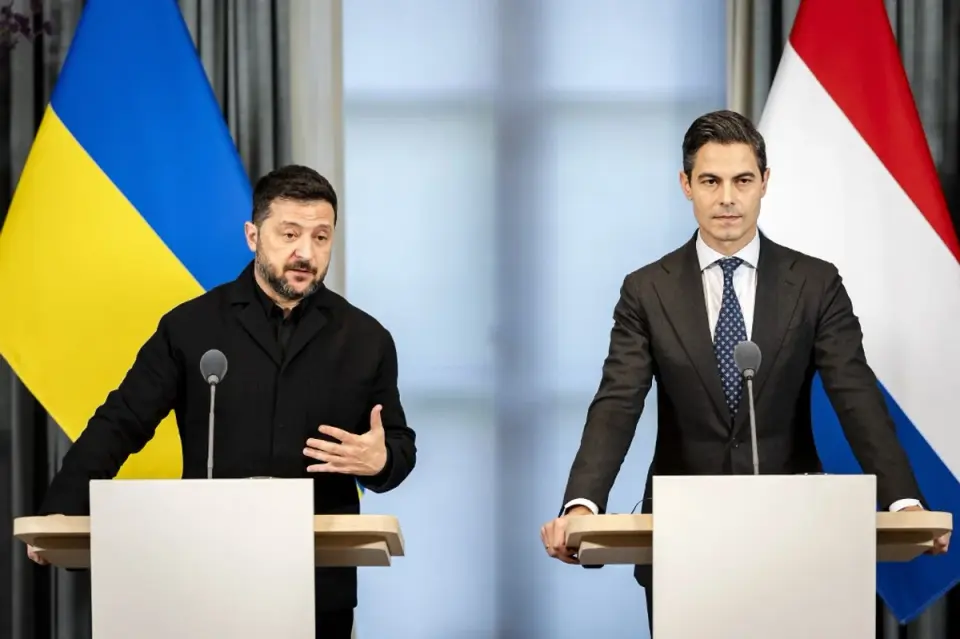
European leaders and the EU Commission have firmly rejected proposals to revive Russian gas exports to Europe as part of US-brokered peace negotiations with Moscow. Dutch PM Rob Jetten and EU officials emphasized that economic sanctions, not energy concessions, are the path to ending the war, citing existing legislation to phase out all Russian gas imports by late 2027.
Key points
- Dutch Prime Minister Rob Jetten called the idea of restoring Russian gas supplies 'a very stupid idea' during talks with Ukrainian President Volodymyr Zelensky in The Hague on October 28.
- The European Commission stated that Nord Stream pipelines will not reopen post-war, citing legislation that mandates the complete phase-out of Russian gas imports by September 2027, regardless of the war's outcome.
- US envoys Jared Kushner and Steve Witkoff have reportedly discussed reviving Russian energy exports, including the Druzhba pipeline and Sakhalin oil projects, as incentives for Moscow to negotiate.
- The Netherlands announced an additional €1.2 billion in non-military aid and €500 million in military support for Ukraine, focusing on air defense and energy infrastructure.
- Polish President Donald Tusk confirmed provisional agreements for ceasefire talks in Abu Dhabi on November 4, though European leaders will not attend.
Background
Recent weeks have seen intensified Russian missile strikes on Ukrainian infrastructure, including Kyiv and Dnipropetrovsk, coinciding with US envoy Steve Witkoff’s diplomatic efforts. Previous coverage highlighted Zelensky’s urgent demand for Patriot interceptors and concerns over delayed NATO deliveries, underscoring the tension between military support and diplomatic negotiations.
How outlets are covering it
Kyiv Post and DutchNews.nl highlight the sharp rejection by Dutch PM Rob Jetten, who argued that increased sanctions, not economic concessions, are necessary to force Russia to negotiate. Euronews and The Maritime Executive emphasize the EU Commission’s stance, noting that the phase-out of Russian gas is legally binding and not tied to the war's end. While US officials reportedly floated reviving Nord Stream and other energy deals, European leaders, including German Chancellor Friedrich Merz, criticized this approach as flawed, arguing it ignores Russia’s territorial ambitions. Far-right figures like Alice Weidel support reviving Russian gas, but mainstream European leaders oppose it, citing security risks.
Why it matters
The rejection of Russian gas revival signals a unified European stance against using energy as a bargaining chip in peace talks, reinforcing the EU’s long-term strategy to eliminate dependence on Russian fossil fuels. This move impacts global energy markets, particularly American LNG demand, and underscores the tension between US diplomatic efforts and European security priorities.
What to watch
Ceasefire talks are scheduled for November 4 in Abu Dhabi, involving US, Ukrainian, and Russian officials. The EU will continue phasing out Russian gas imports by late 2027, while the Netherlands and other allies will maintain military and humanitarian support for Ukraine. Future negotiations may focus on sanctions enforcement and energy security, with no immediate signs of compromise on Russian energy exports.
- Dutch PM Rejects Russian Gas Return, Urges Tougher Sanctions on Moscow Kyiv Post
- Nord Stream won't reopen after the war, Brussels tells US and Russia Euronews.com
- EU Throws Cold Water on Restart of Russia's Baltic Sea Gas Pipelines The Maritime Executive
- Jetten calls for tougher sanctions against Russia ahead of talks DutchNews.nl
- Naturgy sees “opportunities” despite EU ban on Russian LNG Montel News
Want the full story? Read the original reporting
Read on Kyiv Post