
U.S. Deterrence Retreat Sparks Global Nuclear Reassessment
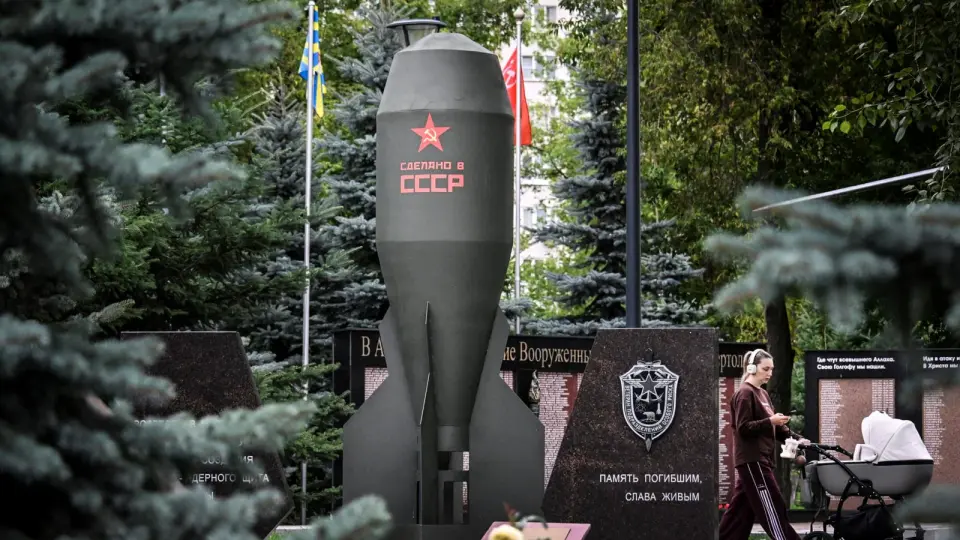
The U.S. 2026 National Defense Strategy’s omission of extended deterrence has eroded ally confidence, prompting nations like South Korea, Japan, and France to explore independent nuclear capabilities. This shift risks a proliferation cascade, while the Doomsday Clock stands at 85 seconds to midnight.
Key points
- Trump’s 2026 strategy dropped explicit mentions of extended deterrence, pressuring allies to increase defense spending.
- France announced its first warhead increase since 1992 and expanded its 'forward deterrence' partnership to nine European nations.
- Japan and South Korea are reconsidering their non-nuclear stances, with Seoul reducing joint U.S. exercises and Tokyo debating its three non-nuclear principles.
- The Doomsday Clock is set at 85 seconds to midnight, the closest it has ever been to apocalypse.
- Russia and the U.S. hold 83% of usable nuclear warheads, with over 9,000 in military stockpiles.
Background
Recent conflicts in Ukraine and Iran have intensified debates over deterrence. While the U.S.-Iran strikes in 2025 aimed to curb Tehran’s nuclear ambitions, the ongoing war has raised fears that Iran may now pursue weapons outright. Meanwhile, the Houthi blockade and regional instability have highlighted the fragility of traditional security guarantees, pushing some states to seek alternative deterrence methods.
How outlets are covering it
CNBC and the Washington Post emphasize the danger of a proliferation cascade, citing the U.S. withdrawal from arms control and the erosion of the Nuclear Non-Proliferation Treaty. In contrast, Small Wars Journal argues that drone warfare offers a cheaper, less politically costly alternative to nuclear deterrence, potentially preventing a 'nuclear plenty.' CNBC TV18 highlights the paradox of superpowers failing to win major wars despite nuclear arsenals, suggesting that conventional conflicts remain prevalent despite deterrence theories.
Why it matters
The weakening of the U.S. nuclear umbrella could trigger a global arms race, increasing the risk of miscalculation and accidental nuclear use. As alliances fracture and new actors pursue weapons, the stability of the international security order is at risk, potentially leading to more volatile regional conflicts and heightened global tensions.
What to watch
Analysts expect continued modernization of nuclear arsenals by the nine nuclear-armed states. The U.S. may face pressure to reaffirm its deterrence commitments to prevent further defections from the non-proliferation regime. Meanwhile, nations like Japan and South Korea will likely continue evaluating the feasibility of independent nuclear capabilities or alternative deterrence strategies.
- Nukes all around? A fraying U.S. nuclear umbrella is pushing allies to weigh defense options, raising risk of a proliferation cascade CNBC
- Opinion | The old global nuclear order is dead. What comes next? washingtonpost.com
- Why There Might Be No Nuclear Plenty – Lessons From Iran and Ukraine Small Wars Journal
- Abolishing Nuclear Arms Can Avert War That Kills Billions, Experts Say Forbes
- Why this is not an era of short wars despite nuclear deterrence CNBC TV18
Want the full story? Read the original reporting
Read on CNBC