
US 'Operation Economic Outcast' Forces Gulf Allies to Choose Between Sanctions and Security
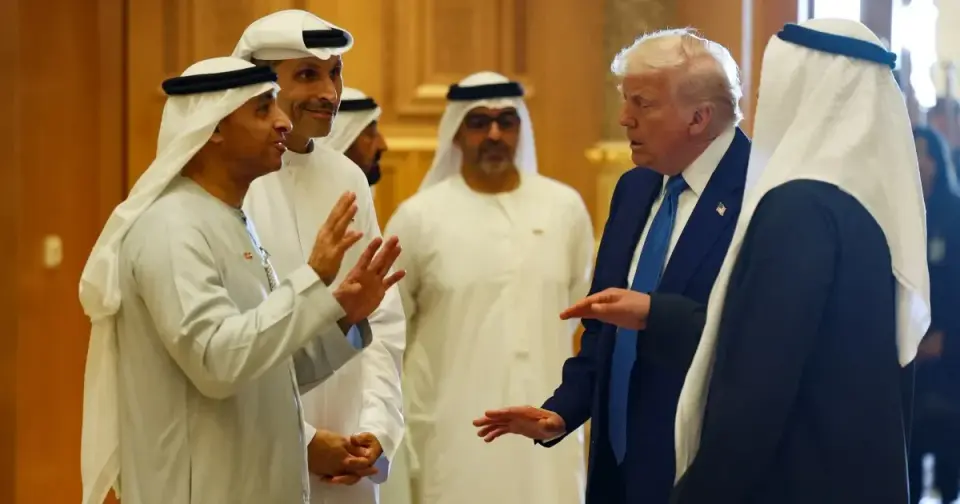
US Treasury Secretary Scott Bessent launched 'Operation Economic Outcast' to isolate Iran financially, targeting digital assets, gold, and shipping. While the UAE has cut all trade with Tehran, other Gulf states face a dilemma: joining US sanctions risks provoking Iranian retaliation, while maintaining ties risks US secondary penalties. Analysts warn this economic pressure may fail to force a deal and could instead trigger further escalation.
Key points
- US Treasury Secretary Scott Bessent announced 'Operation Economic Outcast,' targeting five key Iranian revenue streams: digital assets, technology, gold, aviation, and shipping.
- The US imposed specific sanctions on 60 entities, vessels, and individuals in the UAE, Hong Kong, China, Singapore, and Switzerland for facilitating Iranian trade.
- Iran’s Supreme National Security Council warned that if neighboring countries join the US economic war, no oil will leave the Persian Gulf or Strait of Hormuz.
- The UAE has already severed all trade and financial ties with Iran, a move analysts call potentially more consequential for Tehran than the US embargo due to Dubai’s role in Iranian currency access.
- Saudi Arabia, Qatar, and Oman are resisting full alignment with Washington, prioritizing diplomatic channels and energy stability over immediate economic isolation of Iran.
Background
This shift follows nearly six months of US and Israeli missile strikes against Iran, which failed to produce a decisive outcome. Previous coverage noted the UAE’s August 2026 decision to freeze trade with Iran after alleged missile incidents, and rising US gas prices due to Strait of Hormuz disruptions. The current strategy aims to replace military pressure with economic isolation, though US missile supplies in the region are reportedly running low.
How outlets are covering it
Al Jazeera highlights the strategic paradox for Gulf states: US military protection makes them targets for Iran, while US sanctions pressure them to cut ties with Tehran. Eurasia Review argues the prolonged war has damaged the Gulf’s reputation as a reliable energy and business hub, causing long-term inflation and investment losses that favor Western economies. Yahoo’s source, though largely obscured by technical code, suggests shifting US tactics are straining relationships with Gulf allies. Analysts cited by Al Jazeera, such as Trita Parsi, believe the US can outlast Iran economically, while others like Mostafa Khoshcheschm dismiss the sanctions as a weak 'political show' similar to failed previous 'maximum pressure' campaigns.
Why it matters
The success of US economic pressure depends on whether major economies like China and India accept secondary sanctions. For Gulf states, the choice between US alignment and Iranian retaliation directly impacts regional stability, energy exports, and the viability of diversification plans like Saudi Vision 2030. A failure to resolve the conflict could lead to prolonged instability, higher global energy costs, and a shift in global investment away from the Middle East.
What to watch
Watch for reactions from China, India, and Russia to US secondary sanctions threats. Monitor whether Saudi Arabia, Qatar, or Oman follow the UAE’s lead in cutting ties with Iran. Track Iranian responses to economic pressure, including potential further closures of the Strait of Hormuz or attacks on regional infrastructure. Look for signs of diplomatic mediation efforts, particularly involving Oman, to reopen dialogue between Washington and Tehran.
- Sanctions or missiles? How Gulf will view Trump’s new Iran approach Al Jazeera
- The Glass Floor Of The Gulf's Economic Stability: Long-Term Impacts Of The War In Iran - OpEd Eurasia Review
- Can Oman Help Find a Way Out of the Iran War? globaldispatches.org
- Dasha Burns: Constantly Changing Tactics Starting To Fray Relationships With Gulf Allies Yahoo
- Six months on: War means Gulf must work harder for prosperity Arabian Gulf Business Insight | AGBI
Want the full story? Read the original reporting
Read on Al Jazeera