
Hormuz Shipping Crisis: Tanker Fires and Sunk Vessels Disrupt Oil Flows
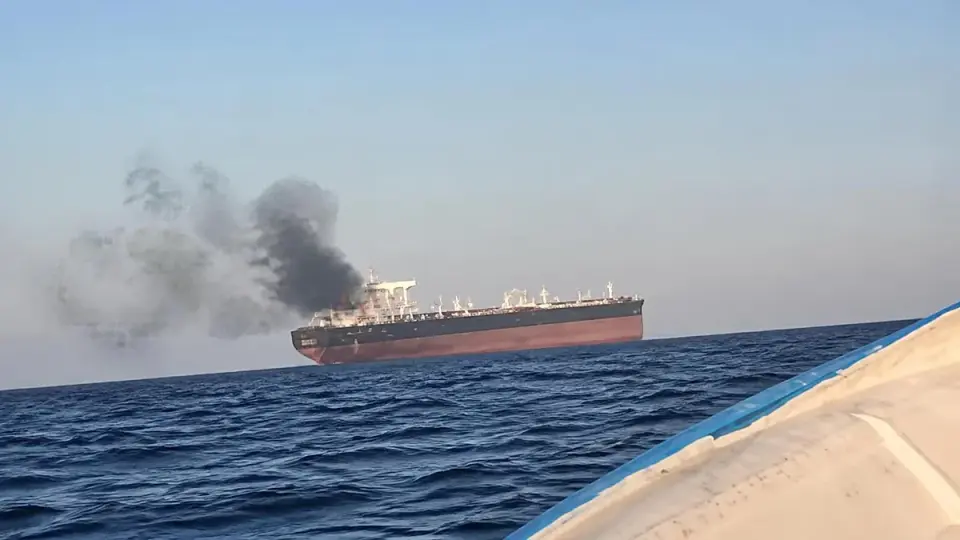
Iranian naval forces reported a second tanker fire in the Gulf of Oman within 24 hours, following the sinking of two commercial vessels in the Strait of Hormuz. While the IRGC claims these incidents resulted from ships entering prohibited zones or hitting mines, maritime analysts note a significant surge in attacks this month. Despite the violence, oil exports through the strait remain high, though shipping costs have skyrocketed and some operators are hesitating to transit the waterway.
Key points
- An oil tanker caught fire in the Gulf of Oman on Thursday after entering an area Iran’s navy designated as a prohibited zone with its tracking systems disabled, according to Iranian state media.
- This incident followed a fire on another tanker near the Strait of Hormuz on Wednesday, marking the second such event in 24 hours.
- The container ship GFS Pride sank on Wednesday after catching fire; all 21 crew members were rescued, though the IRGC blamed a sea mine while other sources cited an unidentified projectile.
- The cargo ship Cape Dao also sank after being struck by a projectile, resulting in one crew member’s death.
- Iran’s IRGC declared the waters leading to the Strait of Hormuz a prohibited zone in September, requiring vessels to obtain permission to transit.
- Despite 26 vessels being struck this month, the highest number during the conflict, oil exports through the strait remain robust, with TankerTrackers reporting over 12 million barrels per day.
Background
This escalation follows a series of incidents in September, including US strikes on Iranian tankers and Iranian retaliatory attacks on US Navy vessels. The conflict, which began in late February with Iran closing the Strait of Hormuz, has seen a US naval blockade and protection efforts since May. Recent tensions also involve Houthi attacks on Saudi infrastructure, further complicating regional stability.
How outlets are covering it
Euronews and Iranian state media emphasize the IRGC’s control over the strait and the consequences of violating prohibited zones, citing the latest tanker fire as a result of non-compliance. The New York Times highlights the resilience of oil flows despite the surge in attacks, noting that while some operators are hesitant, overall exports remain high. CNN and CBS News focus on the broader regional conflict, including Houthi attacks on Saudi Arabia, but provide less detail on the specific Hormuz incidents compared to Euronews and the NYT. There is a discrepancy in the cause of the GFS Pride sinking, with the IRGC blaming a mine and other sources citing a projectile.
Why it matters
The Strait of Hormuz is a critical chokepoint for global oil supply. Any disruption or escalation in attacks can lead to significant spikes in oil prices and shipping costs, affecting global economies. The ongoing conflict between Iran and the US, along with regional tensions involving the Houthis, poses a risk to the stability of oil exports and could have broader geopolitical implications.
What to watch
Analysts expect Iran may escalate its attacks on tankers further, potentially impacting oil flows and prices. The US military’s ability to protect commercial vessels will be crucial in maintaining the current level of exports. Any significant disruption could lead to a rise in oil prices and further economic strain on consumers and businesses globally.
- Another tanker ablaze near Hormuz after two ships sunk in attacks Euronews.com
- Two cargo ships sunk in Strait of Hormuz as Iran ramps up attacks in run-up to midterms CNN
- Iran War Updates: Ships in Strait of Hormuz still face "indiscriminate attacks," maritime monitor warns CBS News
- Gulf Oil Is Still Flowing Despite a Surge in Attacks on Ships The New York Times
- Iran shifting tactics to step up attacks on shipping before US vote, officials say Yahoo
Want the full story? Read the original reporting
Read on Euronews.com