
Houthi Airport Strikes Force Saudi Arabia to Choose Between Economic Ambitions and Military Escalation
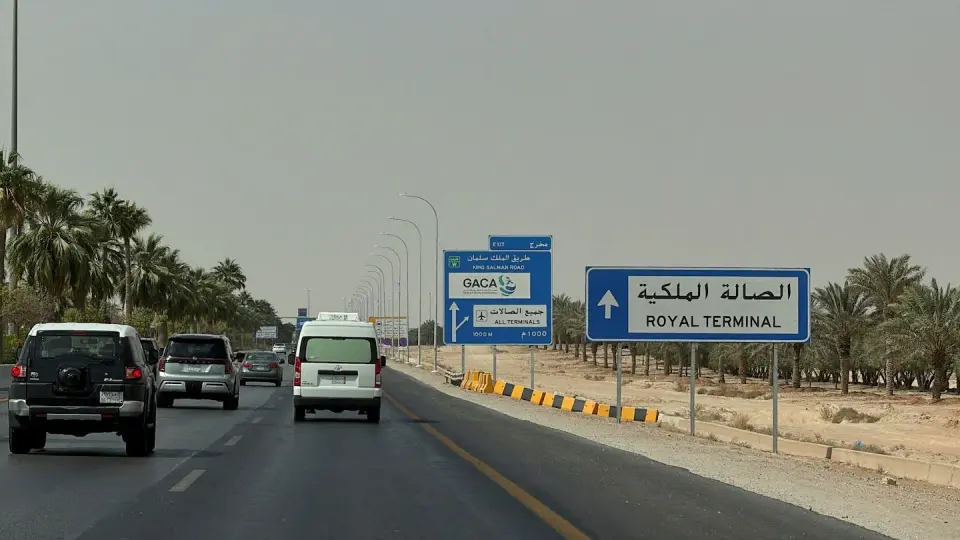
Houthi missile strikes on Riyadh’s King Khalid International Airport have killed at least 20 people, including an American, and injured over 300. The attacks have halted flights and cast doubt on upcoming high-profile investment conferences. While Saudi Arabia seeks U.S. military support to degrade Houthi capabilities, President Trump remains hesitant to intervene due to domestic political pressures and ongoing conflicts with Iran. This creates a strategic dilemma for Riyadh, which must balance immediate security needs with its long-term economic transformation goals.
Key points
- Houthi strikes on Riyadh’s airport killed at least 20 people, including an American, and injured over 300, freezing all flights.
- The attacks threaten Saudi Arabia’s economic transformation plans, including the Future Investment Initiative and Riyadh Season events.
- President Trump has declined to join Saudi airstrikes against the Houthis, citing domestic political considerations and depleted U.S. munitions stocks.
- Iranian Foreign Minister Abbas Araghchi offered to mediate between Saudi Arabia and the Houthis, but Saudi analysts doubt this will lead to a resolution.
- Saudi Arabia faces a dilemma between seeking a negotiated truce with the Houthis or escalating military action to protect its economic interests.
Background
The conflict between Saudi Arabia and the Houthis has intensified since 2015, with the Houthis gaining strength and support from Iran. Recent U.S.-led strikes against the Houthis in 2025 failed to fully deter their attacks on Red Sea shipping. The current crisis is part of a broader regional conflict involving Iran and Israel, with the Houthis acting as a proxy for Tehran.
How outlets are covering it
The Washington Post emphasizes the conflict between Saudi Arabia’s economic ambitions and its security needs, highlighting the risk to investment conferences and the potential for a negotiated truce. CBS News focuses on the political dilemma facing President Trump, noting that U.S. intervention could escalate the conflict and raise oil prices, while inaction risks alienating a key ally. Both outlets agree that the Houthis are acting on Iranian instructions, but differ on the likelihood of U.S. military intervention.
Why it matters
The Houthi strikes expose the vulnerabilities of Saudi Arabia’s economic transformation plans and the limitations of U.S. support in the region. The crisis could lead to a shift in U.S. foreign policy, with potential implications for global energy markets and regional stability. It also highlights the complex dynamics of proxy wars in the Middle East, where local conflicts are tied to broader geopolitical struggles.
What to watch
President Trump is expected to decide whether to join Saudi airstrikes against the Houthis in the coming days. Saudi Arabia may seek a negotiated truce with the Houthis, potentially using financial incentives and diplomatic negotiations. The outcome of these decisions will influence the trajectory of the regional conflict and the stability of Saudi Arabia’s economic transformation plans.
- As Houthis strike Riyadh, Saudi Arabia confronts the costs of U.S. war on Iran The Washington Post
- Iran's Houthi allies' deadly attacks on Saudi Arabia create "a difficult dilemma for President Trump" CBS News
- Saudi warning system stayed silent before deadly airport attacks Reuters
- Iran-Backed Militants Are Tightening the Screws on Saudi Arabia’s Crown Prince WSJ
- Saudi Arabia Intercepts New Houthi Attacks as Conflict Drags On Bloomberg.com
Want the full story? Read the original reporting
Read on The Washington Post