
IAEA confirms North Korea’s new Yongbyon uranium plant can produce three warheads annually
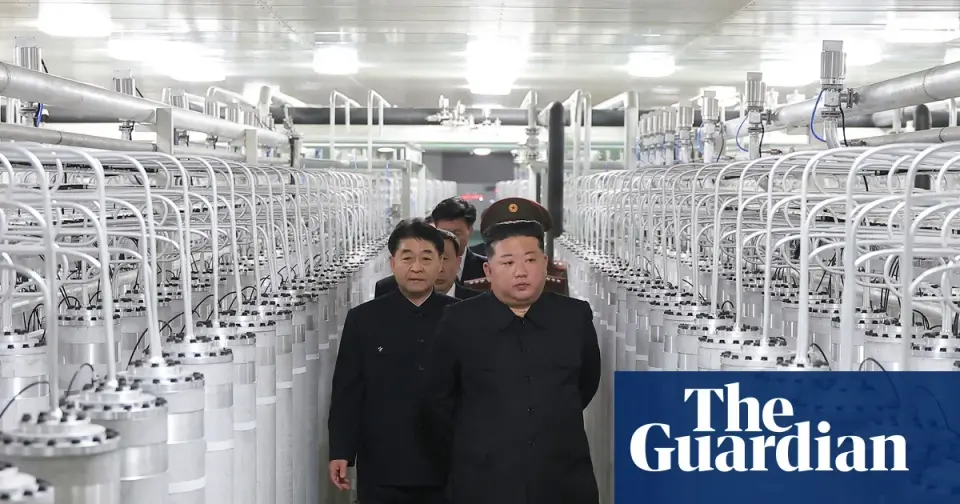
The International Atomic Energy Agency (IAEA) reported that North Korea has constructed a new uranium enrichment facility at its main Yongbyon nuclear site. This building can house up to 28 centrifuge cascades, potentially producing enough weapons-grade material for three to four additional warheads each year. The agency also noted expanded operations at the Kangson site near Pyongyang. These developments violate UN Security Council resolutions and have raised serious concerns among international officials, even as North Korea continues to demand recognition as a legitimate nuclear state.
Key points
- The IAEA identified a new building at the Yongbyon facility as a second uranium enrichment site, capable of housing 28 centrifuge cascades.
- Analysis suggests this new facility could yield approximately 85 kg of weapons-grade highly enriched uranium annually, sufficient for three or four warheads.
- North Korea has also expanded operations at an enrichment site in Kangson, located near the capital Pyongyang.
- IAEA Director General Rafael Grossi stated that the ongoing operation and expansion of these facilities are clear violations of UN Security Council resolutions.
- South Korea’s defence minister estimated that North Korea currently possesses between 80 and 120 nuclear warheads, a figure higher than estimates cited by US President Donald Trump.
- The IAEA’s findings are based on satellite imagery and open-source material, as inspectors have been expelled from North Korea since 2009.
Background
This development follows earlier reports in September 2026 where the IAEA first flagged the new Yongbyon facility and the expansion of the Kangson annex. It also comes amid broader tensions, including North Korea’s recent commissioning of the Kang Kon destroyer for naval nuclear deterrence and ongoing diplomatic friction with the US, where Kim Yo Jong rejected Trump’s outreach regarding joint military drills. The current situation reflects a continued acceleration of North Korea’s nuclear and missile programs since its last nuclear test in 2017.
Why it matters
The confirmed construction of a new, high-capacity uranium enrichment facility signals a significant step in North Korea’s effort to expand its nuclear arsenal beyond plutonium-based weapons. This multi-site expansion strategy complicates international non-proliferation efforts and sanctions enforcement, as it diversifies the country’s production capabilities. The discrepancy in warhead estimates between South Korea and the US highlights the uncertainty surrounding the true scale of North Korea’s arsenal, which could influence future diplomatic negotiations and military posturing in the region.
What to watch
The IAEA will likely continue to monitor satellite imagery for further construction or operational changes at Yongbyon and Kangson. South Korea and the US may adjust their military strategies and diplomatic approaches in response to the confirmed expansion of North Korea’s uranium enrichment capacity. North Korea may use this new capability to strengthen its leverage in any potential negotiations with the US, while continuing to demand international recognition as a nuclear state.
Want the full story? Read the original reporting
Read on The Guardian