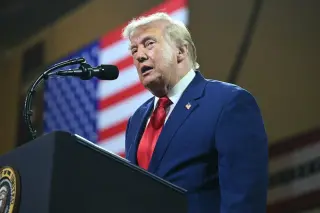
US President Donald Trump said Washington could share control of the Strait of Hormuz with Iran and claimed regime-change has already occurred, as talks with Iranian leaders continue and mediators eye a meeting in Islamabad.
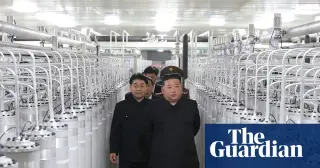
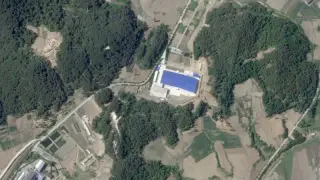
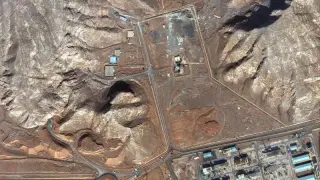
The IAEA says Iran’s new underground uranium enrichment facility at Isfahan may be operational or could be an “empty hall,” and inspectors have not yet visited to verify. If the site is fully equipped, it would be Iran’s fourth enrichment plant. Iran reportedly holds about 440 kg of 60% enriched uranium, which could be boosted to 90% weapons-grade, potentially yielding enough material for about 10 weapons. With a visit canceled, there are many questions about how advanced the facility is and Iran’s true intentions amid ongoing US-Israeli concerns and regional tensions.
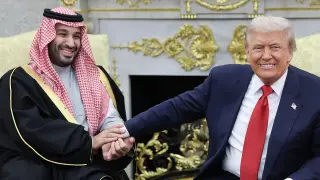
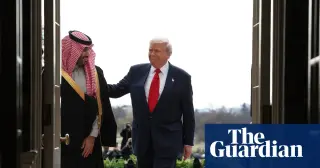
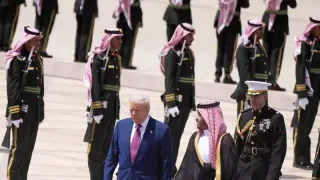
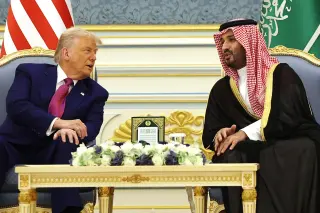
Congressional documents suggest a proposed U.S.–Saudi nuclear pact could let Saudi Arabia pursue uranium enrichment under IAEA safeguards, a move that raises proliferation concerns despite oversight. Experts warn that even restricted enrichment could create a pathway to weaponization amid Iran tensions, with the UAE’s non-enrichment approach cited as a contrast.
The Iran Update reports that Iran's nuclear facilities remain largely inaccessible for assessment and repair following recent bombings, with ongoing negotiations involving Russia's proposals for uranium supply and enrichment rights, amidst Iran's firm stance against halting domestic uranium enrichment, impacting regional stability and US interests.
The article discusses the risks associated with bombing nuclear sites, emphasizing that while such attacks could disperse radioactive uranium particles locally and pose health risks to nearby populations, they are unlikely to cause large-scale nuclear incidents or environmental contamination comparable to nuclear disasters like Chernobyl or Fukushima. The main concern is the release of radioactive particles and chemical hazards from uranium hexafluoride, but the overall environmental impact would be limited to the immediate vicinity.
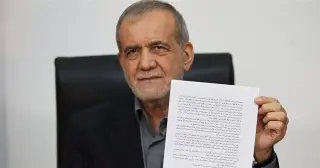
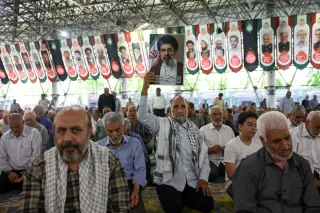
Iran's Supreme Leader Khamenei rejected a US proposal for a nuclear deal that would make Iran dependent on other countries for nuclear fuel, emphasizing Iran's self-reliance and mastery of nuclear technology. The US proposal offers limited uranium enrichment and regional cooperation, but Iran insists on maintaining its enrichment capabilities on its soil. Ongoing negotiations aim to find a compromise amid tensions over Iran's nuclear program.
Iran's Supreme Leader Khamenei rejects the US nuclear proposal, emphasizing Iran's right to uranium enrichment and indicating that abandoning enrichment is against Iran's interests, amidst ongoing nuclear negotiations and regional tensions.
Iran has significantly increased its stockpile of near-bomb-grade uranium, now capable of producing fuel for about 10 nuclear weapons, while negotiations with the US continue. The increase raises concerns about Iran's nuclear ambitions and potential military options, amid ongoing diplomatic efforts and regional tensions, especially with Israel.
The UN nuclear watchdog IAEA reports that Iran has significantly increased its uranium stockpile to over 400kg of 60% enriched uranium, raising serious concerns about potential nuclear weapons development, amid ongoing negotiations and international tensions.
Iran announced plans to significantly increase its uranium enrichment capacity by deploying advanced centrifuges in response to a censure from the International Atomic Energy Agency (IAEA), led by the U.S. and its allies. The resolution criticizes Iran for insufficient cooperation and demands credible explanations for uranium particles found at undeclared sites. Iran's move comes amid heightened tensions over its nuclear program, with Western powers fearing potential weaponization, a claim Iran denies. Tehran has warned it might withdraw from the Non-Proliferation Treaty if sanctions are reinstated.
Iran has increased its stockpile of uranium enriched to near weapons-grade levels, according to a UN nuclear watchdog report. The stockpile now includes 142.1 kilograms of uranium enriched up to 60%, a short step from weapons-grade. This development comes amid heightened Middle East tensions and follows Iran's barring of IAEA inspectors. The deaths of Iran's president and foreign minister have paused talks with the IAEA, complicating efforts to monitor Iran's nuclear activities.
The International Atomic Energy Agency (IAEA) has warned that Iran is rapidly advancing towards nuclear weapon capabilities, with inspectors noting suspicious activities at the Fordow nuclear facility, including the installation of equipment for faster uranium enrichment and an increase in highly enriched uranium production. Despite Iran's denial of intentions to build nuclear weapons, international inspectors believe the country now has enough highly enriched uranium to produce at least three bombs within a short timeframe. The collapse of the nuclear agreement has limited the IAEA's ability to monitor Iran's activities, raising concerns about the potential for clandestine weapons production.
American physicist David Albright reported that Iran could produce enough uranium for a nuclear bomb in about a week, with the capability to produce enough for multiple weapons within months. He also warned that Western intelligence agencies may struggle to detect Iran's nuclear weaponization efforts and recommended a strategy to deter Iran from pursuing nuclear weapons, including bolstering military cooperation with Israel and regional partners. The head of the International Atomic Energy Agency confirmed that Iran is enriching uranium at a very high level, close to weapons grade.
The US, Canada, France, Japan, and the UK have pledged $4.2 billion in government-led investments to develop a global nuclear supply chain. The investments will focus on improving uranium enrichment and conversion capacity by 2027 and establishing a secure and resilient global uranium market. The countries aim to encourage public-private investment in uranium enrichment production capacity and to triple nuclear capacity by 2050. They also seek to include nuclear energy in the lending policies of international financial institutions and regional development banks, while working towards a global supply market for uranium free from Russian influence.