
IDF Braces for Iranian Retaliation as US Diplomatic Push Clashes with Netanyahu’s War Lobbying
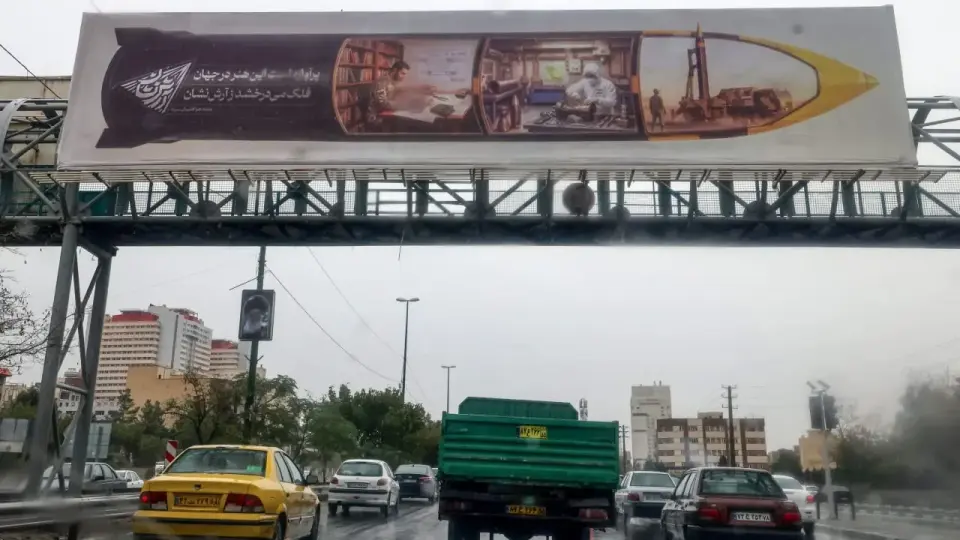
The IDF is preparing for two escalation scenarios: a massive US offensive against Iran or a surprise Iranian attack on US and Israeli bases. While Washington pursues a diplomatic deal to reopen the Strait of Hormuz, Israeli Prime Minister Benjamin Netanyahu has been lobbying President Donald Trump daily to resume strikes. Recent reports indicate Netanyahu planned a pre-election operation against Iran that was aborted after Washington learned of it. US forces have conducted limited strikes on Iranian military assets near the Strait of Hormuz, while Tehran threatens asymmetric retaliation, including targeting undersea internet cables. Diplomatic efforts led by Vice President JD Vance and Qatari mediation continue, but Israeli officials assess that Iran views US diplomatic preferences as weakness and is unlikely to sign a deal quickly.
Key points
- IDF Chief of Staff Eyal Zamir and senior officers are reviewing operational plans for two scenarios: a US offensive against Iran or a surprise Iranian attack on US and Israeli bases.
- US Vice President JD Vance is steering diplomatic efforts to reach an agreement with Tehran, focusing on reopening the Strait of Hormuz and restoring nuclear inspections in exchange for lifting the US blockade and releasing frozen assets.
- Israeli Prime Minister Benjamin Netanyahu has been calling President Donald Trump daily to urge him to resume strikes on Iran, according to The Financial Times, while regional leaders like Qatar and Saudi Arabia urge Trump to prioritize negotiations.
- Channel 12 reported that Netanyahu and Mossad chief Roman Gofman planned an operation against Iran before Israel’s October 27 election, but it was dropped after a security operative’s mistake tipped off Washington, which moved to stop it.
- US forces have conducted limited strikes on Iranian military assets, including air defense systems and missile launchers on Qeshm and Larak Islands, while Iranian forces have retaliated against US assets in the region.
- Iranian officials, including the IRGC, have warned that any fresh attacks will result in asymmetric retaliation, including targeting seven major undersea internet cables running through the Strait of Hormuz and regional data centers.
Background
This situation follows a period of heightened tensions in October 2026, where Netanyahu predicted the collapse of the Iranian regime while Iran warned of regional war. The US had prepared options for renewed strikes on Iran, potentially targeting energy and nuclear sites, while simultaneously attempting diplomatic channels. The US naval blockade of Iranian ports and disputes over the Strait of Hormuz have been central to the conflict, with oil prices surging and diplomatic efforts stalled. The current diplomatic push by Vance and Qatari mediation represents a shift toward negotiation, but the underlying military readiness and threats of asymmetric retaliation persist.
How outlets are covering it
The Jerusalem Post emphasizes the IDF’s preparation for two major escalation scenarios and the ongoing diplomatic efforts by the US, while noting Israeli officials’ assessment that Iran views US diplomacy as weakness. NDTV highlights Netanyahu’s daily lobbying of Trump to resume strikes, contrasting with regional leaders’ efforts to prioritize negotiations, and notes Trump’s preference for an economic blockade over fresh strikes. Iran International focuses on the aborted pre-election operation, the opposition’s claims of a provocation, and the divided Iranian commentary on Vance’s remarks, suggesting internal US tensions. Yahoo details the aborted operation and the growing likelihood of a coalition government that could oust Netanyahu, emphasizing the political stakes. The sources differ in emphasis: JPost and NDTV focus on the military and diplomatic dynamics, while Iran International and Yahoo highlight the political and internal Israeli dimensions. All sources agree on the tension between US diplomatic efforts and Israeli pressure for military action, but they vary in their assessment of the likelihood of a new conflict and the role of regional mediators.
Why it matters
The potential for a new conflict between the US/Israel and Iran could have significant regional and global implications, including disruption of oil supplies and undersea internet infrastructure. The diplomatic efforts by the US and regional mediators aim to prevent escalation, but the ongoing military preparations and threats of asymmetric retaliation suggest a high risk of miscalculation. The political dynamics in Israel, including the potential for a coalition government that could oust Netanyahu, add another layer of uncertainty to the situation. The outcome of these diplomatic efforts will determine whether the region moves toward de-escalation or further conflict.
What to watch
The next few weeks will be critical as diplomatic efforts led by JD Vance and Qatari mediation continue. The US is expected to decide whether to resume strikes on Iran, while Israel may face internal political shifts that could affect its foreign policy. The Iranian response to the US diplomatic overtures and the potential for asymmetric retaliation, including attacks on undersea cables, will be closely monitored. The outcome of the Israeli political negotiations and the formation of a new government could also influence the trajectory of the conflict.
- IDF prepares for surprise Iranian attack as US pursues deal with Tehran The Jerusalem Post
- Netanyahu Calls Trump "Every Day" To Push Him To Renew Iran Strikes: Report NDTV
- Netanyahu said calling Trump ‘every day’ to push him to resume Iran war The Times of Israel
- Netanyahu’s pre-election Iran operation dropped after US tipped off – report Iran International
- Netanyahu Sought to Conduct an Operation in Iran Before Israel's Elections But Was Stopped by the U.S.: Report Yahoo
Want the full story? Read the original reporting
Read on The Jerusalem Post