
Iran Formalizes Hormuz Control as US Naval Blockade Stalls
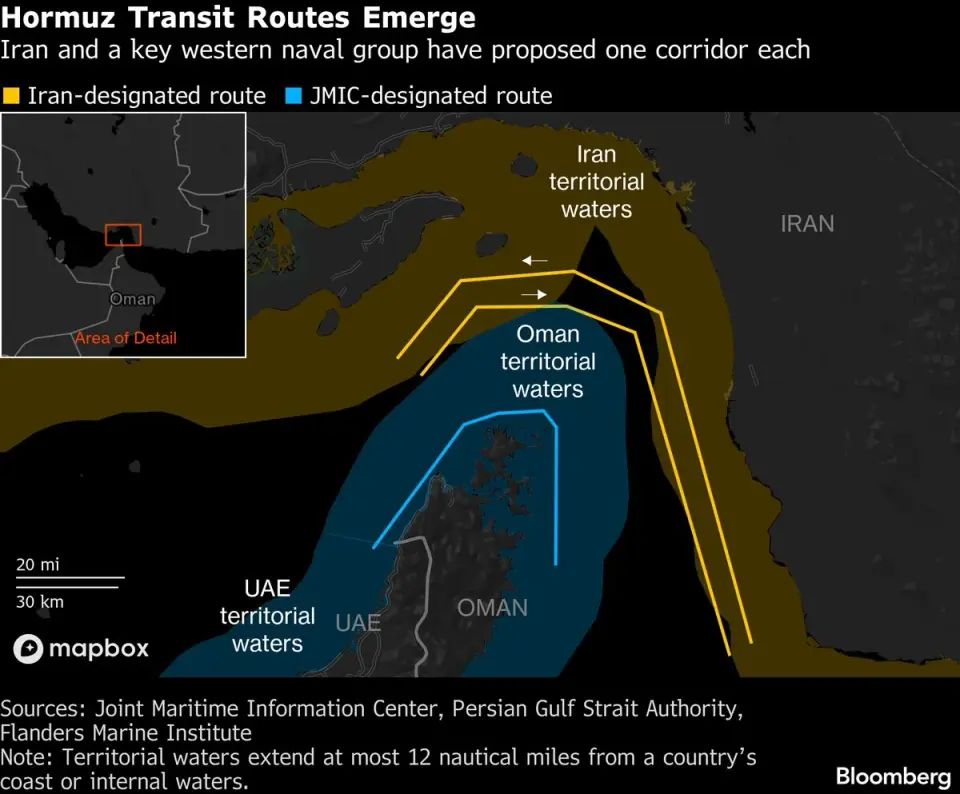
Iran has advanced a parliamentary plan to formalize control over the Strait of Hormuz, barring vessels from the US, Israel, and designated hostile states. This move coincides with a US naval blockade that has reduced traffic to a one-week low of eight vessels, far below the pre-war average of 130. While Tehran demands the end of military operations, sanctions relief, and compensation for damages, Washington insists it maintains 'total control' of the waterway. The standoff has driven Brent crude above $88 per barrel and exposed strains in the US military campaign, including prolonged deployments of aircraft carriers and threats of unprecedented economic isolation.
Key points
- Iran’s parliament approved a strategic plan to manage the Strait of Hormuz, excluding US and Israeli vessels.
- US Secretary of the Treasury threatened 'unprecedented' economic isolation measures against Iran.
- Iran demands the end of US military operations, sanctions relief, and compensation for damages.
- Shipping traffic through the strait remains critically low, with only eight vessels passing recently.
- US military assets, including the USS Abraham Lincoln, face criticism for extended deployments.
Background
Tensions escalated after a ceasefire collapsed in late July, leading to renewed hostilities and a US naval blockade. Previous negotiations, mediated by Oman, aimed to establish a safe transit route within a 60-day window, but talks stalled as Iran insisted on broader concessions. The conflict began with US and Israeli strikes in late February, which Iran characterized as an act of aggression, leading to retaliatory actions and a prolonged impasse over the strait's status.
How outlets are covering it
Bloomberg highlights the ongoing negotiations between Iran and Oman to resolve the impasse, noting that ship attacks have mounted. Fox News emphasizes the diplomatic rift, with Iranian officials accusing the US of miscalculating its strength and Trump claiming 'total control' of the strait. Just Security provides a legal analysis, arguing that the US blockade violates international law and that Iran’s demands for cessation of force and reparations are legally grounded. Middle East Eye focuses on the domestic and military consequences, detailing Iran’s formalization of control and the US military’s struggles with prolonged deployments and resource allocation.
Why it matters
The Strait of Hormuz is a critical chokepoint for global energy supplies. A prolonged closure or restricted access threatens to disrupt oil flows, driving up prices and impacting global economies. The US naval blockade and Iran’s countermeasures risk further escalation, potentially drawing in other regional actors and destabilizing the broader Middle East. The legal and diplomatic dimensions of the conflict also set precedents for future disputes over maritime sovereignty and international law.
What to watch
The US is expected to announce new economic measures against Iran next week, while Iran continues to seek alternatives to US-controlled financial institutions, such as joining the Brics-backed New Development Bank. The 60-day negotiating window outlined in the June memorandum of understanding is approaching its deadline, with no signs of progress. The US military is deploying the USS George Washington to relieve the USS Abraham Lincoln, but this move may leave the Pacific without a carrier for an undetermined period. Continued negotiations between Iran and Oman may focus on transit procedures, but significant hurdles remain.
- Iran, Oman Home In on Hormuz Strait Deal as Ship Attacks Mount Bloomberg.com
- Iran talks tough to US, says Trump 'miscalculated' on Strait of Hormuz Fox News
- Iran’s Conditions for Reopening Hormuz: What International Law Requires, Permits, and Forbids Just Security
- US-Iran talks in deadlock – what’s the latest? Al Jazeera
- Iran formalises Strait of Hormuz control as US struggles to sustain war it launched with Israel Middle East Eye
Want the full story? Read the original reporting
Read on Bloomberg.com