
Iran Escalates Hormuz Attacks to Spike Oil Prices Before US Midterms
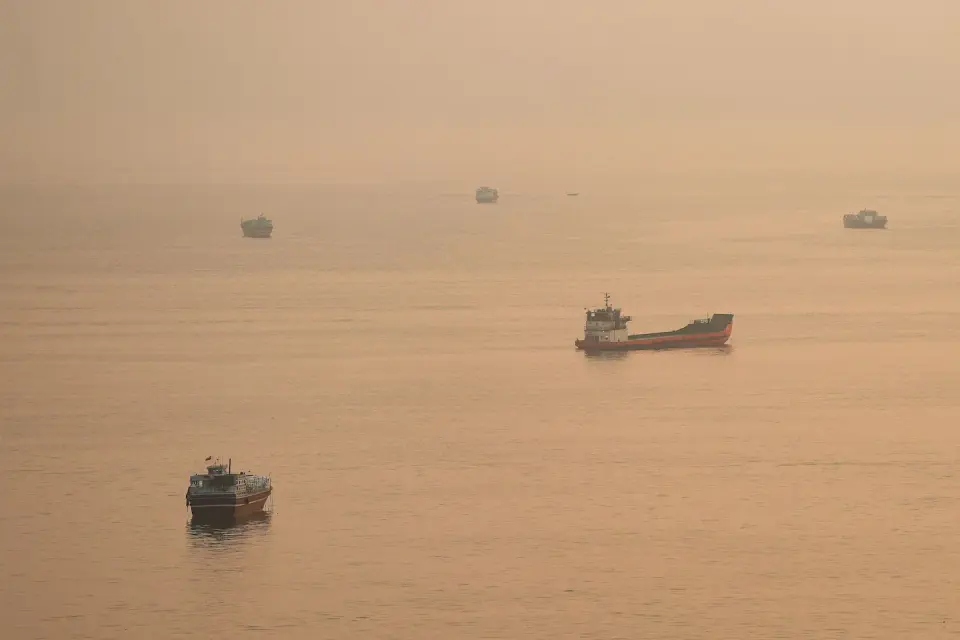
Iranian officials are intensifying attacks on shipping in the Strait of Hormuz to raise global oil prices and pressure President Trump ahead of the November 3 midterm elections. While the US has successfully increased oil flows through the strait, geopolitical risks have added approximately $30 to the price of a barrel. The escalation has resulted in record-high attacks, with over 20 vessels struck in October, including one sinking. Iranian leadership aims to inflict economic pain now, anticipating that Trump will be less sensitive to energy costs after the elections, while also seeking leverage for future negotiations.
Key points
- Iranian officials view the period before the Nov. 3 midterms as a critical window to exert leverage over President Trump by spiking oil prices.
- Iran has escalated attacks in the Strait of Hormuz to a rate not seen since the early days of the conflict, averaging around 30 attacks per week in September and over 20 in October.
- Despite the attacks, US military operations have successfully increased oil shipments out of the Persian Gulf, approaching pre-war averages on multiple days, according to analytics firm Kpler.
- Geopolitical risks have added approximately $30 to the current price of a barrel of oil, according to Amena Bakr of Kpler.
- The International Maritime Organization (IMO) reported 100 confirmed maritime incidents in the region as of Oct. 9, with 24 seafarers killed since the conflict began on Feb. 28.
- Iranian national security adviser Mohsen Rezaei stated that Iran targets 'five or six' vessels every night and threatened to strike infrastructure targets like data centers in the event of a full-scale war.
Background
This escalation follows a series of US strikes on Iranian oil tankers in September, which Iran retaliated against with missile attacks on US bases in Jordan. The conflict, which began in February 2026, has driven oil prices near $100 per barrel and intensified the standoff over the Strait of Hormuz. Previous US sanctions on Iranian airlines and economic isolation efforts have deepened Iran's economic crisis, prompting Tehran to use maritime attacks as a tool for leverage.
How outlets are covering it
The Washington Post emphasizes Iran's strategic timing of attacks to punish Trump politically before the midterms, citing anonymous officials and diplomats. Fox News highlights the humanitarian impact, with IMO Secretary-General Arsenio Dominguez warning of 6,000 trapped seafarers and 24 deaths, while also noting Iran's allegations of US military intimidation on VHF Channel 16. Al Jazeera reports on the immediate military escalation, including a tanker explosion and Iran's new defense minister appointment, while also noting Trump's waiver of Russia sanctions. NBC News focuses on the record-high number of attacks and the resulting blow to oil markets and Trump's gas price hopes. CENTCOM defends its naval blockade as professional and necessary, while Iranian officials describe US actions as 'smuggling' and 'intimidation.'
Why it matters
The escalation in the Strait of Hormuz directly impacts global energy prices and supply chains, with geopolitical risks adding $30 to the price of a barrel. The timing of these attacks, linked to US midterm elections, suggests Iran is using energy leverage to influence US domestic politics and constrain future administrations. The humanitarian toll, including 24 seafarer deaths and 6,000 trapped crew members, underscores the severe human cost of the conflict. The lack of progress in US-Iran negotiations and the threat of further infrastructure strikes indicate a high risk of broader regional conflict.
What to watch
The next few weeks are critical for Iran to maximize oil price pain before the Nov. 3 midterms. The US and Iran are unlikely to make significant concessions in talks, with Iran rejecting upfront nuclear concessions. The IMO may review regulations regarding maritime communication channels, and Iran has threatened to strike infrastructure targets like data centers if a full-scale war resumes. The outcome of the midterms will likely influence Trump's ability to wage war in the latter half of his term, with Iranian officials hoping for a Republican defeat to constrain him.
- Tehran seeks to punish Trump in midterms with oil price pain, Iranian officials say The Washington Post
- Strait of Hormuz crisis traps 6,000 sailors as attacks on ships mount, UN maritime chief says Fox News
- Iran war updates: ‘Violating’ vessel on fire in Hormuz after sea mine blast Al Jazeera
- Two ships sink near Hormuz after being hit by projectiles amid surge in attacks Reuters
- Hormuz ship attacks hit record high as Iran escalates strikes with little U.S. response NBC News
Want the full story? Read the original reporting
Read on The Washington Post