
Iran-Oman Hormuz Deal Excludes Military Ships, Draws US Opposition
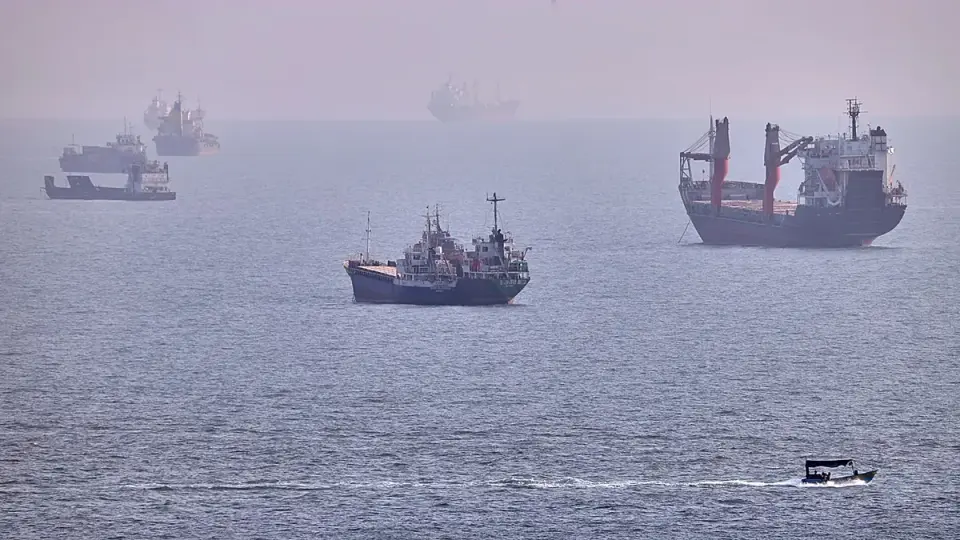
Iran and Oman have reached a preliminary agreement to manage commercial shipping in the Strait of Hormuz, explicitly excluding military vessels. The deal proposes split jurisdiction for entry and exit routes, but faces strong US opposition and remains largely theoretical as traffic remains minimal.
Key points
- Iranian Deputy Foreign Minister Kazem Gharibabadi confirmed a potential agreement with Oman to manage ship traffic, stating that no military vessels would be permitted to transit the Strait if the deal becomes binding.
- The proposed framework designates entry into the Persian Gulf through Iranian waters and exit through a split route involving both Iranian and Omani territorial waters, with temporary measures to be reviewed within 30 to 60 days.
- The US administration, including President Donald Trump and Secretary of State Marco Rubio, opposes the joint management of the exit route and has threatened military action against Oman if it interferes with US interests.
- Despite the diplomatic developments, shipping analytics firm Kpler reports that only five vessels transited the Strait on Tuesday, a fraction of the pre-war average of 130, indicating the deal has not yet restored normal traffic.
- Oil prices fell for a third consecutive day, with US crude dropping to around $81 per barrel, driven by optimism over the potential reopening of the Strait and US assurances that military strikes on Iran are not expected to resume.
Background
This development follows weeks of negotiations between Iran and Oman regarding the control of the Strait of Hormuz, which has been largely shut down since the start of the Iran war in late February 2026. Previous reports indicated Iran was seeking to charge transit fees and bar US and Israeli ships, while the US demanded unfettered access. The current agreement appears to be a compromise on commercial traffic, though it excludes military vessels, a point of contention for Washington.
How outlets are covering it
Euronews and Spectrum News (via AP) focus on the diplomatic details, highlighting Gharibabadi's statement that military ships are excluded and the US opposition to joint management. NBC News emphasizes the market impact, noting that oil prices tumbled and bond yields fell due to renewed optimism, while also citing US officials who do not expect military strikes to resume. The outlets differ in emphasis: Euronews and Spectrum News detail the specific routing and US threats, while NBC News highlights the economic ripple effects, such as the drop in crude prices and the stagnation of inflation despite lower energy costs.
Why it matters
The Strait of Hormuz is a critical chokepoint for global oil and natural gas supplies. A successful agreement could stabilize energy markets and reduce inflationary pressures, but US opposition and the continued minimal traffic suggest significant hurdles remain. The exclusion of military vessels may also signal a shift in the strategic posture of the conflict, potentially reducing the risk of direct naval confrontation but complicating US naval operations in the region.
What to watch
Iran and Oman must finalize a permanent maritime traffic plan within 30 to 60 days. The US administration will likely continue to pressure Oman to reject the joint management provisions. Market participants will monitor for any increase in vessel transits, which would signal the deal's practical implementation. The status of the wounded Iranian Supreme Leader, Motjaba Khamenei, may also influence the pace of negotiations.
- No military vessels will be allowed in the Strait of Hormuz, Iran says Euronews.com
- Oil gains as traders weigh prospects of easing Middle East supply disruptions Reuters
- Oil prices dip as optimism over Iran trumps new fears of a Russian escalation in Ukraine NBC News
- Iran, Oman Agree to Share Strait of Hormuz Revenue Bloomberg.com
- Iran warns of military ship ban in Strait of Hormuz under potential deal with Oman Spectrum News
Want the full story? Read the original reporting
Read on Euronews.com