
Iran rejects uranium transfer, warns US of retaliation as war costs Gulf $200 billion
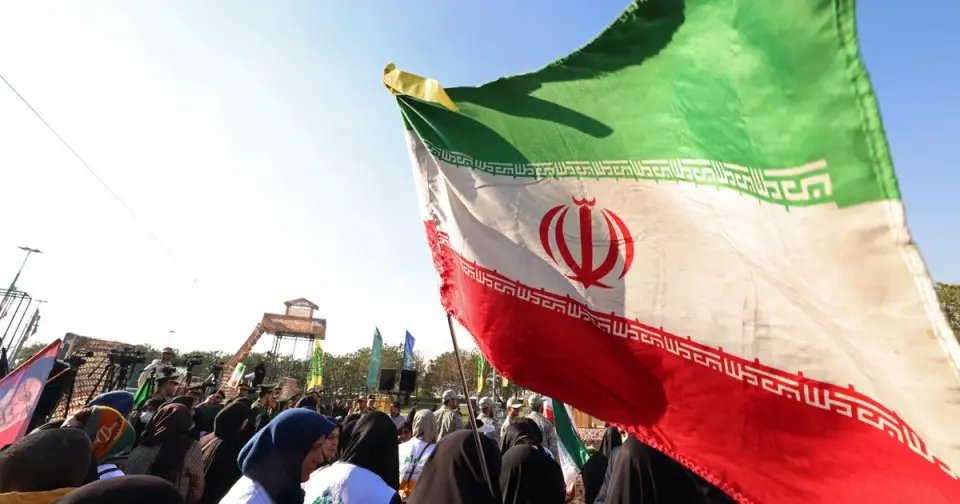
Iranian security chief Mohsen Rezaei stated that Tehran will not move any enriched nuclear material abroad, rejecting a US proposal to transfer 60% enriched uranium to a third country. While the US insists nuclear issues must be part of initial peace talks, Iran demands a full ceasefire first. The conflict has caused over $200 billion in physical damage to Gulf states, with Iran continuing to attack tankers in the Strait of Hormuz and facing domestic gas shortages.
Key points
- Mohsen Rezaei, secretary of Iran's Supreme National Security Council, declared that Iran will not remove 'even a single particle' of enriched nuclear material from the country, informing Russia of its rejection of a storage offer.
- Iranian President Masoud Pezeshkian accused the US of 'diplomacy through threats,' while Rezaei warned that any new US attacks would be met with strikes on US bases abroad.
- Allianz Trade estimates the war has caused over $200 billion in physical damage to Gulf Cooperation Council countries, with total economic losses projected to reach $790 billion by 2030.
- The Islamic Revolutionary Guard Corps claimed two more oil tankers struck mines in the Strait of Hormuz, continuing a pattern of attacks on vessels using southern shipping lanes.
- Iran faces worsening gas shortages this winter due to war-damaged processing facilities, with a forecast shortfall of 430 million cubic meters, potentially affecting the capital, Tehran.
Background
The current standoff follows a broader conflict that began with US and Israeli strikes on Iranian nuclear facilities in June 2025. Diplomatic efforts via Qatari mediators have stalled, with Iran demanding the lifting of port blockades and the reopening of the Strait of Hormuz as preconditions for talks. Recent midterm election results in the US have led to a shift in political dynamics, with some analysts noting a more conciliatory tone from President Trump, though the administration maintains its stance on preventing Iran from obtaining nuclear weapons.
How outlets are covering it
CBS News highlights the diplomatic impasse, noting that Iran refuses to discuss nuclear issues until a formal ceasefire is achieved, while the US insists on nuclear concessions as part of initial negotiations. Al Jazeera emphasizes the rejection of the uranium transfer proposal and the accusation of 'diplomacy through threats' by President Pezeshkian. The Times of India focuses on the potential for retaliation against US bases and the domestic impact of gas shortages, noting that Iran has sent a nuclear proposal to Washington via Qatar but only after seven of its demands are met. All sources agree on the refusal to move nuclear material, but differ on the emphasis of immediate military threats versus economic consequences.
Why it matters
The refusal to transfer nuclear material and the threat of retaliation against US bases indicate a high risk of renewed military escalation. The significant economic damage to Gulf states and ongoing attacks on shipping in the Strait of Hormuz threaten global energy supplies and trade routes. Domestic gas shortages in Iran could further destabilize the region, while the lack of progress in negotiations leaves the conflict unresolved and tensions high.
What to watch
Negotiations remain stalled, with Iran insisting on a full ceasefire before discussing nuclear issues. The US may continue to pressure Iran through economic sanctions and naval blockades. Iran faces potential gas shortages this winter, which could impact its economy and public stability. Any new US military action could trigger a retaliatory response from Iran, potentially escalating the conflict.
- Iran War Updates: Iran vows not to part with "single particle of enriched nuclear material" as standoff continues CBS News
- Iran war live: Iran’s Rezaei rejects moving nuclear material out of country Al Jazeera
- Oil up 1% after Iran says no nuclear material will leave the country Reuters
- Iranian Security Chief Insists Enriched Uranium Won't Leave Country Radio Free Europe/Radio Liberty
- 'Any new attack will be met with strikes on bases': Iran warns US, rules out nuclear material transfer The Times of India
Want the full story? Read the original reporting
Read on CBS News