
Iran threatens European bases and nuclear expansion as US weighs post-midterm strikes
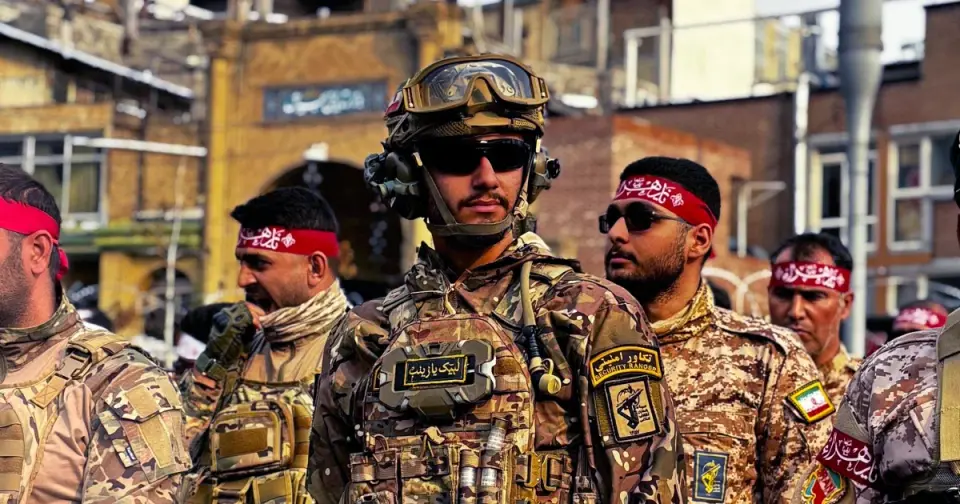
Iran is preparing for a potential resumption of war with the US and Israel, signaling a shift in military tactics and targeting European NATO bases. Tehran has issued explicit threats to strike Italy and Germany if the US utilizes their military installations, while hardliners advocate for pursuing a nuclear bomb. US President Donald Trump has indicated he may 'destroy' the rest of Iran, though diplomatic channels remain open via Qatar. The conflict, which has cost nearly $100 billion, is being influenced by the US midterm election results, with Democrats now controlling Congress and threatening to cut off funding for the war.
Key points
- Iranian parliament members warned that if the US uses bases in Italy and Germany to attack Iran, Tehran will fire missiles at European targets, including RAF Fairford in the UK.
- Supreme Leader Mojtaba Khamenei ordered armed forces on October 31 to prepare retaliation 'without geographic restrictions,' expanding the target list beyond regional assets.
- US President Donald Trump stated he may have to 'destroy' the rest of Iran, noting it would take 25 years to rebuild, but acknowledged the US controls 'everything we wanted to control' in the current phase.
- Iran sent a nuclear proposal to the US through Qatar, to be discussed only if Washington meets Tehran's seven demands, including lifting sanctions and reopening the Strait of Hormuz.
- Democratic Congressman Jason Crow, who gained power after the midterms, stated that Congress can cut off the nearly $100 billion spent on the war, emphasizing that Americans want the conflict to end.
- Iraqi Foreign Minister Fuad Hussein warned that the war has not ended and that Iraqi armed groups supporting Iran could join a renewed confrontation, putting Baghdad at risk.
Background
The US and Israel have been at war with Iran for over eight months, with a partial ceasefire in place. Previous conflicts in February and March 2026 involved strikes on nuclear and military sites, including the killing of Iran's former supreme leader. The current tension follows the US midterm elections on November 3, 2026, where Republicans lost control of Congress, potentially limiting Trump's ability to fund further military operations. Oil prices have surged to $112 a barrel due to fears of renewed conflict and attacks on tankers in the Strait of Hormuz.
How outlets are covering it
NBC News highlights internal Iranian debates among hardliners regarding a shift in nuclear policy and the pursuit of a bomb. Al Jazeera focuses on the political fallout in the US, noting that Trump's war strategy hurt Republicans in the midterms and that Defense Secretary Pete Hegseth faces impeachment threats. The Jerusalem Post and Latin Times emphasize the specific threats to European NATO members, with Iran naming Italy and Germany as targets if they allow US use of bases. While Western analysts like Lynette Nusbacher argue Iran lacks the intercontinental ballistic missiles to reach deep Europe, they acknowledge the threat to southeastern Europe and the strategic leverage of Iran's missile arsenal. Iranian officials maintain a dual-track approach, with lawmakers issuing maximum threats while the parliament speaker offers a 'firm and rational' diplomatic response.
Why it matters
The potential resumption of war could draw NATO allies into direct conflict, escalate the global energy crisis, and test the limits of US congressional power over military spending. Iran's explicit targeting of European bases and its internal debate over nuclear weapons development signal a significant shift in the conflict's geography and intensity, moving beyond the Middle East to potentially involve European soil and nuclear proliferation.
What to watch
The US is expected to make a decision on whether to resume strikes in the coming days, as Trump stated 'you'll know soon enough.' Diplomatic discussions may proceed if the US meets Iran's seven demands, but the threat of military action remains high. European nations are assessing the risk of Iranian missile strikes and may adjust their basing agreements with the US. The US Congress, now controlled by Democrats, may move to cut off funding for the war, potentially forcing a change in US strategy.
- Iran prepares for war to resume, eyeing new targets and a shift in military tactics NBC News
- Iran war updates: States aiding US attack ‘legitimate targets’, says Tehran Al Jazeera
- ‘Nobody considered this a European problem’: Is Europe ready to stand up to Iranian threats? The Jerusalem Post
- Iranian military claims it’s now ‘stronger’ than at start of war with Israel and US The Times of Israel
- Iranian lawmakers warn Italy and Germany could face missile strikes if the U.S. launches attacks from European bases Latin Times
Want the full story? Read the original reporting
Read on NBC News