
Iran Threatens European Bases as Democrats Win Midterms
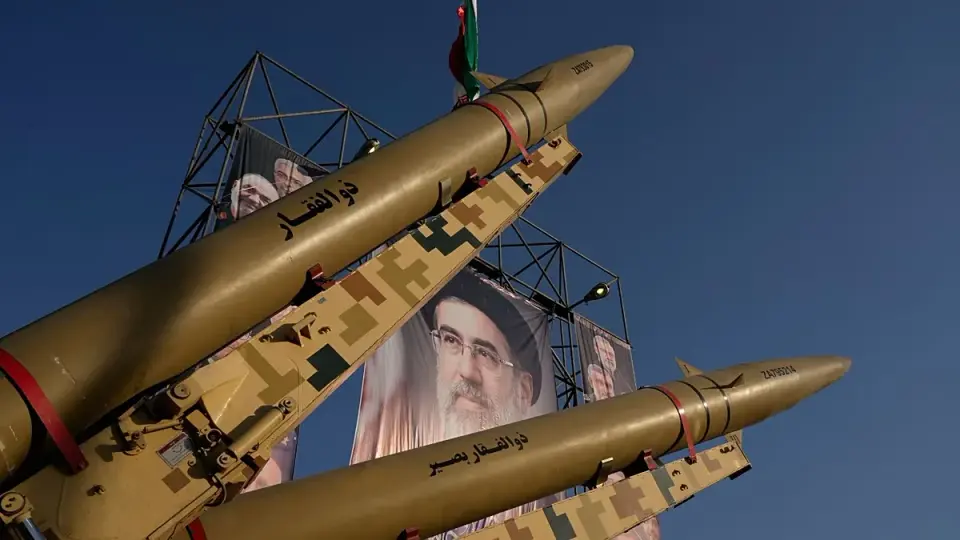
Iranian officials have escalated rhetoric against Europe, warning that Tehran will strike US military bases in Italy and Germany if Washington uses them to attack Iran. This threat coincides with the Democratic Party’s sweeping victory in the US midterm elections, which Iran’s Supreme Leader Mojtaba Khamenei dismissed as a false signal of US policy softening. While US President Donald Trump struck a conciliatory tone regarding the election results, Iranian state media and parliament members emphasized that any renewed confrontation would extend beyond the Middle East to the 'heart of Europe.'
Key points
- Iranian MP Ahmad Bakhshayesh Ardestani stated that Iran would fire missiles at European countries hosting US bases, specifically naming Italy and Germany, if the US utilizes them for an attack.
- Supreme Leader Mojtaba Khamenei warned that the Middle East war would expand significantly if the US resumed attacks, urging Iranians not to expect policy changes following the Democratic midterm victory.
- The IRGC pledged an 'immediate, effective response without geographical limits' on the anniversary of the 1979 embassy seizure, citing orders to update target banks to include enemy assets in Europe.
- US President Trump indicated he would examine the situation and act if needed, while Israeli opposition leader Yair Lapid criticized the administration’s handling of the conflict and aid cuts.
- An oil tanker was struck by unknown projectiles near the Strait of Hormuz, and Saudi civil defense issued alerts in Riyadh, highlighting ongoing regional instability.
Background
This escalation follows months of heightened tensions, including unreported Iranian missile strikes on vessels in the Strait of Hormuz that injured US Marines in September. Previous diplomatic efforts involving Saudi Arabia, Turkey, and China aimed to de-escalate the conflict, but recent threats suggest a shift toward broader regional involvement. The US-Iran war has already resulted in dozens of seafarer deaths and significant economic impacts, with oil prices fluctuating based on conflict expectations.
How outlets are covering it
Euronews highlights the specific threat to European soil, quoting Iranian parliament members and state media about targeting 'material and non-material assets' in Europe. Al Jazeera focuses on the broader regional fallout, including the strike on an oil tanker in the Strait of Hormuz and diplomatic efforts by Gulf states to prevent escalation. NDTV emphasizes the political dimension, noting that Khamenei explicitly rejected the idea that the Democratic midterm victory would lead to US policy changes, framing the election as irrelevant to Iran’s strategic calculations. While Euronews and NDTV focus on the political and rhetorical shifts, Al Jazeera provides context on the physical security threats and diplomatic maneuvers in the region.
Why it matters
The threat to strike European bases marks a significant escalation in the US-Iran conflict, potentially drawing NATO allies into direct confrontation. The dismissal of the US midterm results by Iranian leadership suggests that Tehran does not view the change in US political power as a basis for de-escalation, indicating a prolonged and potentially wider conflict. This could impact global energy markets, given the recent strikes on vessels in the Strait of Hormuz and the broader instability in the Middle East.
What to watch
Watch for any official response from the German and Italian governments regarding the Iranian threats. Monitor the Strait of Hormuz for further incidents involving commercial vessels or military assets. Observe whether the new Democratic Congress imposes restrictions on US military action in the Middle East, as suggested by the election results, or if the administration maintains its current stance despite the political shift.
- Iranian MP tells Euronews Tehran's missiles will strike Europe if US uses its bases there Euronews.com
- Iran war updates: Tehran warns of ‘crushing response’ if US attacks Al Jazeera
- As Democrats Sweep US Midterms, Iran's Khamenei Issues Warning To Iranians NDTV
- Is Europe In Iran's Crosshairs? Tehran Hints At Wider Military Reach Radio Free Europe/Radio Liberty
- 'We'll see what happens': Iranian state-owned newspaper threatens US and NATO bases across Europe i24NEWS
Want the full story? Read the original reporting
Read on Euronews.com