
Iran Faces Fuel Shortages and Currency Collapse as US Sanctions Bite
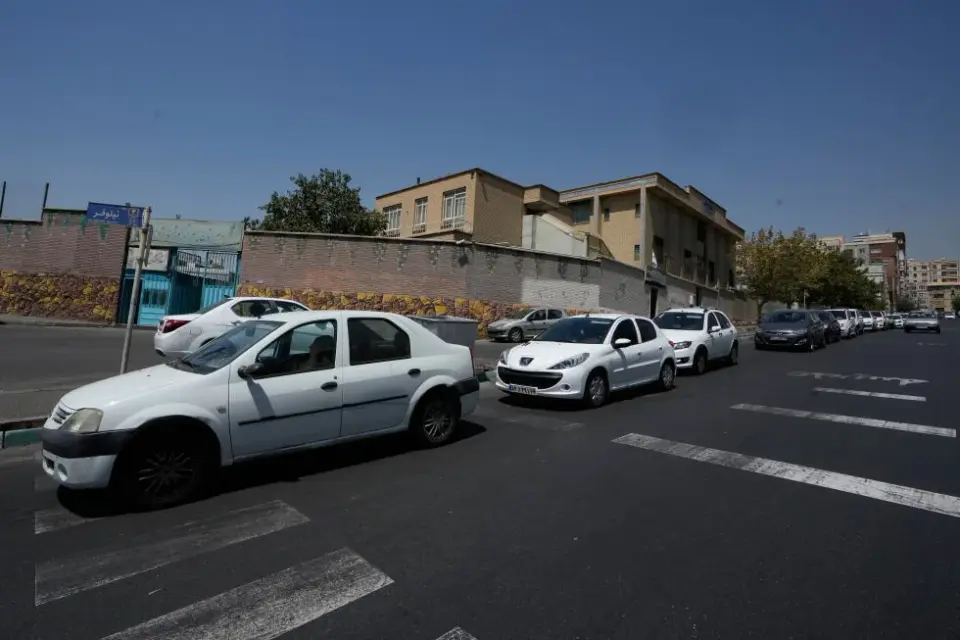
Iran is facing a severe fuel shortage and currency collapse as US sanctions and a naval blockade cut off imports and strain domestic production. While Tehran considers raising fuel prices, it fears triggering the kind of unrest seen in 2019. The US aims to force economic capitulation, but Iran is leveraging the Strait of Hormuz to pressure global markets.
Key points
- The US dollar hit a record 2 million rials in Tehran's open market following US Treasury Secretary Scott Bessent's threat of 'crushing' secondary sanctions.
- Iran faces a daily gasoline deficit of 7 to 14 million liters, with production at 121-130 million liters versus consumption of 135-137 million liters.
- Tehran is considering raising fuel prices to 872,000 rials per liter but has delayed the move to avoid sparking protests similar to the 2019 unrest.
- The UAE cut all trade and financial ties with Iran, a move US officials suggest was influenced by Washington's pressure.
- Iran has largely closed the Strait of Hormuz, reducing daily vessel traffic from over 130 to just seven, to leverage global oil prices against the US.
Background
This crisis follows a six-month US-Israel war that began in February 2026, which killed Supreme Leader Ali Khamenei and intensified regional tensions. Previous coverage noted that diplomatic talks collapsed after a 60-day ceasefire expired, leaving Iran in a state of economic isolation. The current fuel crisis is the latest manifestation of the broader economic pressure campaign, which includes naval blockades and secondary sanctions aimed at severing Iran's remaining economic lifelines, particularly its oil sales to China.
How outlets are covering it
AP News emphasizes the psychological and economic limits of Iranian resilience, noting that while no major protests have erupted yet, the burden on the population is mounting. Al Jazeera highlights the government's internal dilemma, detailing specific price tiers and the political risk of raising costs, which previously triggered deadly crackdowns. Iran International focuses on the immediate supply chain failure, reporting on gas stations running dry in Tehran and the strategic use of the Strait of Hormuz as leverage. Analysts across all outlets agree that the situation is unsustainable, but they differ on whether Iran will capitulate or escalate; some warn that Tehran may choose to escalate further before negotiating to avoid appearing weak.
Why it matters
The collapse of Iran's currency and fuel supply chain signals a potential tipping point in the US-Iran conflict. If the economic pressure fails to force concessions, Iran may escalate its closure of the Strait of Hormuz, causing global oil price spikes and inflation. Conversely, if the pressure succeeds, it could lead to a regime change or significant policy shifts in Tehran, reshaping the Middle East's geopolitical landscape and affecting global energy markets.
What to watch
Watch for an official announcement on fuel price hikes in the coming weeks, which could trigger widespread protests. Monitor the Strait of Hormuz for any further reductions in traffic or military incidents. Also, track the effectiveness of US secondary sanctions on third-party countries like the UAE and China, and observe if Iran's leadership shifts from resistance to negotiation as the economic pain deepens.
- Iran's gas lines are growing, but there's no sign so far that its leaders will bow to US sanctions AP News
- Iran’s government signals fuel price hike on eve of new US sanctions Al Jazeera
- Iranians queue for petrol as US blockade bites Financial Times
- Iran Fuel Shortages Spark Lines at Pumps as US Pressure Bites Bloomberg
- Tehran gas stations run dry as Iran’s fuel deficit bites Iran International
Want the full story? Read the original reporting
Read on AP News