
Iran’s New Strategy: From Retaliation to Preemptive Pressure
Iran has shifted its military doctrine from reactive retaliation to a strategy designed to exhaust US resources and force a political capitulation. This shift follows a seven-month conflict and recent US strikes on southern Iran, prompting internal debate over preemptive action.
Key points
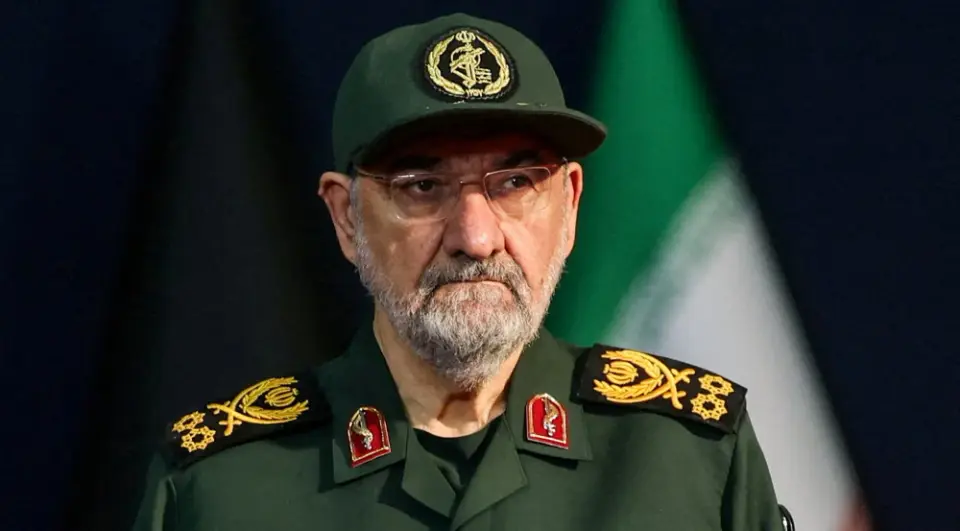
- Major General Mohsen Rezaei, secretary of Iran’s Supreme National Security Council, warned that a new multi-domain strategy will dismantle US regional presence.
- The strategy targets US military stockpiles, economic stability, and diplomatic leverage, moving beyond simple retaliation.
- Recent US strikes on Larak Island and southern Iran triggered Iranian missile and drone attacks on bases in Jordan, Bahrain, and the UAE.
- Internal debate in Iran is growing over whether to adopt a preemptive strike doctrine to counter US escalation.
- The conflict has intensified pressure on the Strait of Hormuz, with both sides targeting shipping and naval assets.
Background
The current escalation follows a June 2026 'Islamabad memorandum' intended to halt the conflict, which has since collapsed. Earlier in August, US Joint Chiefs Chairman Dan Caine privately urged the administration to find an exit strategy due to dwindling munitions stocks, highlighting the strain on US military resources.
How outlets are covering it
PressTV emphasizes the strategic shift as a decisive move to 'shatter' US foundations, citing depleted US interceptor stockpiles. The Jerusalem Post, citing analyst Tom Cooper, frames the IRGC’s targeting of US bases as a deliberate effort to force the US out of the region before a potential renewed war with Israel. Iran International highlights a domestic debate over moving from a retaliatory to a preemptive doctrine, noting that hardline figures argue waiting for US strikes gives Washington control over the pace of escalation. Yahoo’s coverage was largely obscured by technical errors, offering limited additional detail.
Why it matters
The shift in Iranian doctrine signals a potential escalation in the regional conflict, moving from reactive defense to active resource depletion. This could impact global energy markets and US military readiness, while internal debates in Tehran suggest a possible move toward preemptive strikes that could further destabilize the Middle East.
What to watch
Watch for further US-Iran exchanges over the Strait of Hormuz and any formal announcement by Iran regarding a shift to preemptive military doctrine. The outcome of ongoing diplomatic efforts by Pakistan and Qatar will also be critical in determining whether the conflict de-escalates or intensifies.
- New strategy will 'shatter your foundations', Iran’s top security official warns US PressTV
- What are Iran's options to retaliate as open warfare resumes with the US? Reuters
- Iran, US trade threats after fresh strikes Yahoo
- IRGC targets US forces to drive America out from region before attacking Israel The Jerusalem Post
- US-Iran escalation prompts debate in Iran over preemptive strikes Iran International
Want the full story? Read the original reporting
Read on PressTV