
Iran Links Strait of Hormuz Reopening to Removal of Trump and Netanyahu
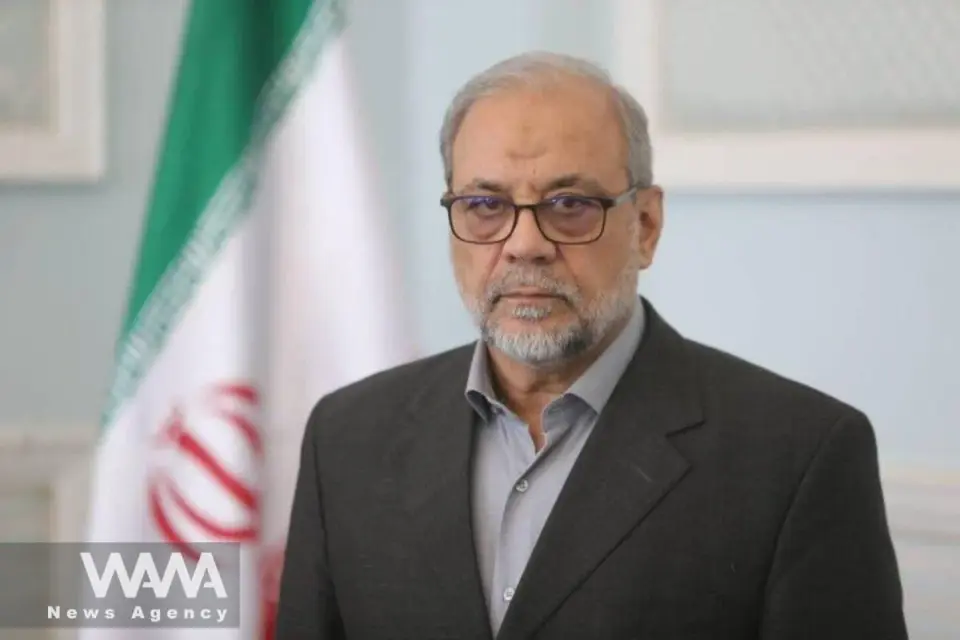
Iranian officials have declared that the Strait of Hormuz will remain closed until US President Donald Trump and Israeli Prime Minister Benjamin Netanyahu are removed from power. This ultimatum, issued by Supreme Leader adviser Mohammad Bagher Zolghadr, marks a shift from previous demands for sanctions relief to a condition requiring the ouster of current leadership. The statement coincides with reports of heightened Iranian military readiness and significant US war costs, including a Congressional Budget Office estimate of $38 billion spent by August 2026.
Key points
- Mohammad Bagher Zolghadr, a political adviser to Iran’s Supreme Leader, stated that the Strait of Hormuz will not reopen until Trump and Netanyahu are removed from power, calling this the 'first stage' of Iran’s response to the conflict.
- The statement was made during a commemoration of 200 days of public resistance, referencing the killing of former Supreme Leader Ali Khamenei and civilians in Minab, Lamerd, and Bampur, as well as sailors from the Dena warship.
- Brigadier General Hassan Hassanzadeh of the IRGC claimed Iran has achieved a higher level of combat readiness than before previous conflicts, citing accelerated production of missiles, drones, and air-defense systems.
- The US House of Representatives voted 220-204 for the third time to end military involvement in Iran, citing a lack of congressional authorization for hostilities.
- The Congressional Budget Office estimated US combat operations against Iran cost approximately $38 billion by August 1, with potential additional costs of $2-3 billion per month, while noting that rebuilding depleted missile stocks could take five years.
Background
Since August 2026, Iran has maintained the closure of the Strait of Hormuz, initially demanding the lifting of US sanctions and the release of frozen assets. Previous negotiations, including potential transit agreements with Oman, stalled amid US threats of indefinite naval blockades and expanding economic isolation. The current ultimatum represents a hardening of Tehran’s position, moving from economic concessions to political removal of adversaries, following a period of intense military exchange referred to by Iranian officials as the '12-Day War' and 'Ramadan War'.
How outlets are covering it
WANA and Caliber.Az focused primarily on the political ultimatum issued by Zolghadr, emphasizing the symbolic nature of the 200-day resistance and the specific naming of Trump and Netanyahu as obstacles to peace. Palestine Chronicle provided a broader strategic context, linking the Hormuz closure to Iran’s declared military readiness and the escalating financial burden on Washington, highlighting the third House vote to end the war. Firstpost framed the situation as an 'explosive demand,' noting the interconnectedness of Iran’s military buildup and its diplomatic stance, while also referencing regional reactions such as South Korea’s concerns over energy supply disruptions. All sources agree on the core condition set by Tehran but differ in emphasis: WANA and Caliber.Az highlight the rhetorical and political dimension, while Palestine Chronicle and Firstpost focus on the military and economic consequences.
Why it matters
The closure of the Strait of Hormuz, a critical route for global oil and gas shipments, continues to exert pressure on international energy markets and inflation. The shift in Iran’s demands from economic relief to the removal of US and Israeli leaders indicates a deepening of the geopolitical rift, making a negotiated resolution less likely in the short term. The high cost of the conflict for the US, combined with domestic political pressure to end hostilities, may influence future policy decisions, while Iran’s claims of enhanced military capability suggest a prolonged state of tension rather than immediate de-escalation.
What to watch
Analysts will monitor whether the US administration responds to the ultimatum with further diplomatic initiatives or military escalation. The impact of the Hormuz closure on global oil prices and inflation rates will be closely watched, particularly given the CBO’s warning about sustained energy cost increases. Additionally, the outcome of ongoing US-Iran negotiations, potentially mediated by Oman, will determine if any temporary shipping corridors can be established despite the stated conditions for full reopening.
- Strait of Hormuz Will Remain Closed Until Trump and Netanyahu Are Removed from Power WANA News Agency
- ‘First Stage of Our Revenge’: Iran Links Hormuz Reopening to Trump, Netanyahu Ouster Palestine Chronicle
- Iran: Hormuz Strait Won't Reopen Until Trump, Netanyahu Are Removed Tempo.co English
- 'Oust Trump & Netanyahu': Iran Drops Explosive Demand For Hormuz Reopening | Firstpost Live Firstpost
- Iran reveals condition for reopening Strait of Hormuz Caliber.Az
Want the full story? Read the original reporting
Read on WANA News Agency