
Iran offers to revive June peace deal as US strikes resume and oil prices spike
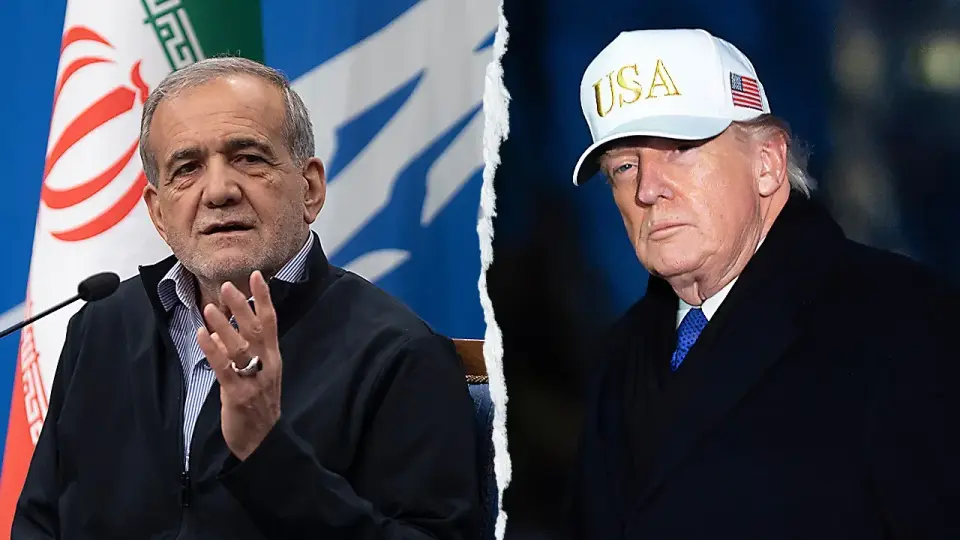
Iranian President Masoud Pezeshkian stated on Tuesday that Tehran would immediately resume the terms of a June memorandum of understanding if the United States returns to its commitments. This diplomatic overture comes amid renewed military exchanges, including US strikes on Iranian targets and Iranian missile attacks on US facilities in Jordan. The conflict has disrupted shipping in the Strait of Hormuz, causing oil prices to rise by approximately 2%. While Pezeshkian advocates for diplomacy at the Shanghai Cooperation Organization summit in Bishkek, Iran’s Islamic Revolutionary Guard Corps reportedly seeks additional concessions, including control of the strait and financial compensation, which Washington is unlikely to accept.
Key points
- Pezeshkian declared that Iran will reciprocate if the US honors the June memorandum, which called for a ceasefire and 60 days of negotiations.
- The US and Iran exchanged fire over the weekend, with the US striking missile launchers on Larak Island and Iran targeting US bases in Jordan.
- Two supertankers carrying Saudi crude were struck near the Strait of Hormuz, heightening concerns about global energy supply disruptions.
- Oil prices rose by roughly 2%, with Brent crude reaching $92.21 per barrel, as markets reacted to the renewed hostilities.
- Iran’s central bank governor claimed the country has sufficient foreign currency reserves to withstand US sanctions pressure, despite high inflation.
Background
This latest escalation follows a six-month conflict that began with US and Israeli strikes in late February 2026. Previous attempts at peace, including a two-week ceasefire and the June memorandum, have repeatedly unraveled due to disagreements over implementation and competing blockades in the Strait of Hormuz. The current situation reflects a pattern of intermittent violence and diplomatic posturing, where military strikes often resume shortly after truces collapse, leaving key energy routes and regional stability in jeopardy.
How outlets are covering it
Fox News and The Jerusalem Post emphasize Pezeshkian’s diplomatic pivot, highlighting his willingness to return to the June deal if the US reciprocates. Al Jazeera provides a more granular view of the military escalation, detailing specific US strikes on IRGC targets and Iranian claims of hitting US drone hangars in Jordan. The Associated Press focuses on the broader economic impact, noting the rise in oil prices and the US administration’s efforts to boost domestic and Venezuelan oil output to offset potential supply losses. While all sources agree on the fragility of the ceasefire, they differ in emphasis: Fox News and Jerusalem Post focus on the diplomatic opportunity, whereas Al Jazeera and AP highlight the immediate military and economic consequences of the renewed conflict.
Why it matters
The stability of the Strait of Hormuz, through which roughly one-fifth of global oil supply passes, is directly threatened by these hostilities. Any prolonged disruption could trigger significant spikes in global energy prices and inflation. Furthermore, the divergence between Iran’s civilian leadership and its military wing (IRGC) complicates diplomatic efforts, as the IRGC seeks concessions that Washington is unlikely to accept, potentially prolonging the conflict and destabilizing the broader Middle East region.
What to watch
The immediate next step is whether the US will respond to Pezeshkian’s offer to revive the June memorandum. If the US refuses, the conflict may continue with periodic strikes. If it accepts, negotiations could resume, but the IRGC’s demands for control of the Strait of Hormuz and financial compensation pose a significant hurdle. Additionally, the US is expected to meet with oil producers to discuss boosting supply, while Iran may continue to use the strait as leverage, potentially leading to further maritime incidents and economic pressure.
- Iran is again talking peace after Trump's warning of retaliation, consequences Fox News
- Iran says it’ll ‘immediately’ reciprocate if US abides by deal Al Jazeera
- Iran's president says Iran would return to ceasefire agreement if US does, and other Mideast news AP News
- Iran's president says Tehran will reciprocate if US honours interim deal commitments Reuters
- Iranian President Pezeshkian says Tehran will follow US if Americans honor deal The Jerusalem Post
Want the full story? Read the original reporting
Read on Fox News