
Iran Warns of Catastrophic Response as Araghchi Launches 12-Nation Diplomatic Push
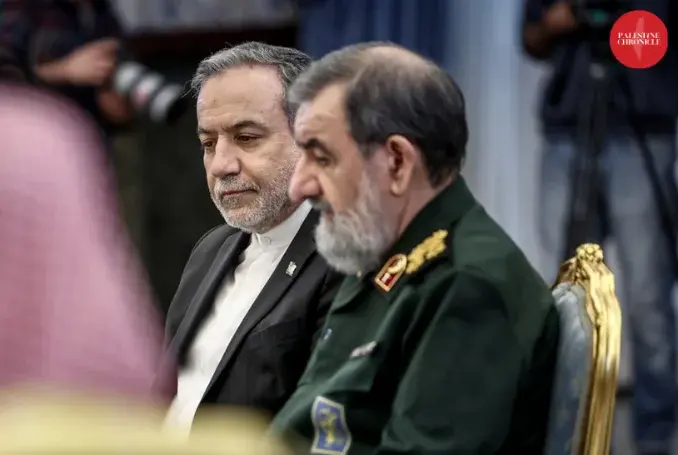
Iranian officials warned Washington of a 'catastrophic' response to renewed conflict while Foreign Minister Abbas Araghchi held calls with 12 counterparts to reinforce regional security. Tehran insists on full acceptance of its seven conditions for diplomacy, including sanctions relief and oil export permissions, while US President Donald Trump claims a deal is possible despite recent defensive strikes on Qeshm Island.
Key points
- Mohsen Rezaei, Iran’s Supreme National Security Council Secretary, warned that any new US war would trigger a catastrophic response, noting that Washington lost the previous conflict and the midterm elections.
- Foreign Minister Abbas Araghchi confirmed 48 hours of consultations with 12 foreign ministers, including those from Saudi Arabia, Turkey, and Qatar, emphasizing the right to self-defense and the need for regional security arrangements without extra-regional interference.
- Iran’s ambassador to Russia stated that Tehran requires Washington to accept all seven diplomatic conditions in full before negotiations can proceed, including the release of frozen funds and sanctions relief.
- Australian Prime Minister Anthony Albanese urged the US to de-escalate, citing the conflict’s impact on global trade and living costs, and called for the reopening of the Strait of Hormuz.
- US President Donald Trump stated that a deal with Iran is possible and that indirect talks are ongoing, though he did not rule out further military action following the November 3 midterm elections.
Background
This escalation follows a fragile ceasefire in April 2026 and a memorandum signed in June that failed to produce a lasting settlement, leading to renewed military confrontation in July. In September, Araghchi stated Iran was prepared for war but open to diplomacy after Trump rejected a proposal to reopen the Strait of Hormuz. Recent weeks have seen limited defensive strikes on Iran’s Qeshm Island, a key location near the Strait of Hormuz, while Trump has identified 38 bridges and power plants as potential strike targets despite claiming renewed war is 'highly unlikely.'
How outlets are covering it
While the Palestine Chronicle and Tasnim emphasize Iran’s hardline stance and the 'catastrophic' warning from security officials, CGTN highlights the diplomatic outreach and Trump’s statement that a deal is possible. The Wall Street Journal, cited by the Palestine Chronicle, reports deepening disagreements within the Trump administration over the war’s future. Australian Prime Minister Albanese offers a distinct perspective, focusing on the economic fallout and urging de-escalation to protect global trade and living costs. Iranian officials frame the conflict as a matter of sovereignty and self-defense, whereas US officials focus on nuclear concessions and the degradation of Iran’s military capacity.
Why it matters
The situation risks a new military confrontation in the Middle East, which could disrupt global oil supplies through the Strait of Hormuz and exacerbate inflation worldwide. The outcome of the US midterm elections has shifted the political landscape, potentially influencing Washington’s willingness to negotiate. Iran’s insistence on comprehensive sanctions relief and oil export permissions before talks resume creates a significant barrier to diplomacy, while the US’s identification of strike targets signals continued readiness for military action.
What to watch
Diplomats will monitor whether the 12-nation consultations lead to any de-escalation measures or if tensions escalate further. The US administration’s internal disagreements over the war’s future may influence its approach to negotiations. Iran’s position that direct talks require full acceptance of its seven conditions, including sanctions relief, will likely remain a sticking point. The reopening of the Strait of Hormuz and the release of frozen Iranian funds are key indicators of whether a diplomatic breakthrough is imminent.
- Iran Warns US of ‘Catastrophic’ Retaliation as Australia Presses Trump to De-escalate Palestine Chronicle
- FM Reaffirms Iran’s Right to Self-Defense in Talks with 12 Countries تسنیم
- Iran updates Saudi, Qatari counterparts on diplomatic progress NewsNation
- Iran's Araghchi in 48-hour diplomatic spree with 12 counterparts CGTN
- Iran’s top diplomat speaks with Gulf leaders about tensions, and other Mideast news FOX16.com
Want the full story? Read the original reporting
Read on Palestine Chronicle