
US Weighs Major Cuts to Middle East Bases After Iran Drone War Exposes Vulnerabilities
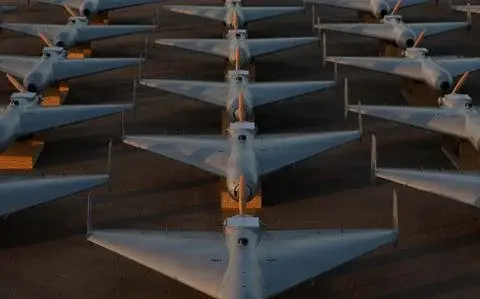
US military and intelligence officials are quietly evaluating a significant reduction of their Middle East footprint following a six-month conflict with Iran. While approximately 50,000 troops remain in the region, the war exposed critical vulnerabilities in large, permanent bases like Al Udeid Air Base in Qatar and Naval Support Activity Bahrain. A new Hudson Institute report highlights that Iran’s decentralized drone production, using cheap commercial components, outpaces the US ability to replace expensive interceptors. Consequently, planners are considering shifting to a lighter, mobile force structure, potentially moving some operations underground or abandoning damaged facilities to save costs, though no formal withdrawal order has been issued.
Key points
- US forces in the Middle East face a potential strategic shift from large permanent bases to a lighter, more mobile footprint after Iranian drone attacks proved effective against static installations.
- A Hudson Institute assessment argues Iran’s drone ecosystem is resilient because it relies on dispersed, small-scale production facilities and commercial components, making it harder to destroy than ballistic missile infrastructure.
- Retired Gen. David Petraeus stated that current basing arrangements, including Al Udeid Air Base, are no longer viable due to the cost mismatch between Iran’s cheap drones and US multi-million dollar interceptors.
- The US military is considering moving some installations underground and potentially not rebuilding facilities that were severely damaged or destroyed during the conflict to manage costs.
- While 50,000 troops remain in the region, including two aircraft carriers, officials are preparing for a potential force posture review as early as next year, contingent on the end of the conflict.
Background
This debate follows a series of Iranian drone strikes on US bases in Kuwait, Jordan, and the UAE in late 2026, which highlighted the vulnerability of static installations. The conflict has resulted in 18 American service member deaths and significant damage to infrastructure, including the CIA’s outpost in Riyadh. This marks a potential pivot from the post-9/11 expansion of US forces, which peaked at 250,000 troops in the region during the Iraq invasion.
How outlets are covering it
Stars and Stripes emphasizes the technical resilience of Iran’s drone program, citing a Hudson Institute report that notes the use of commercial components and dispersed production. CNN focuses on the political and strategic implications, noting that discussions are driven by the need to anticipate President Trump’s potential desire to reduce overseas forces, with some officials considering a 'mission-based' approach rather than permanent basing. NDTV and Firstpost largely echo the narrative of a potential footprint reduction but provide less detail on the specific technical or political drivers, focusing instead on the general consensus that the current model is unsustainable.
Why it matters
The outcome of these deliberations will determine the future of US power projection in the Middle East. A shift to a lighter footprint could reduce US exposure to drone attacks but may also diminish its ability to respond to regional crises. It also signals a potential end to the post-9/11 era of large-scale permanent basing in the region, with significant implications for regional allies and the balance of power.
What to watch
The US military is expected to finalize force structure options as early as next year, though no formal review has been ordered. The decision to rebuild or abandon damaged bases will likely depend on host nation contributions and the outcome of the ongoing conflict with Iran. In the short term, US forces will continue to face attacks, and the Navy has stated that personnel will not return to Bahrain 'anytime soon.'
- Iran’s drones prompt a rethink of major US bases in Mideast stripes.com
- Military and intelligence officials discuss smaller presence in the Middle East as US looks for another post-9/11 strategy CNN
- What is the future of U.S. military bases in the Middle East? NPR
- US Plans To Shrink Middle East Military Footprint After Iran War: Report ndtv.com
- US Gulf Exit Before Iran War Ends? Bases Hit, Pentagon Weighs Whether To Rebuild| Firstpost Live| 4K Firstpost
Want the full story? Read the original reporting
Read on stripes.com