
Malaysia’s Floating Oil Stockpile Tests US ‘Zero-Leakage’ Strategy
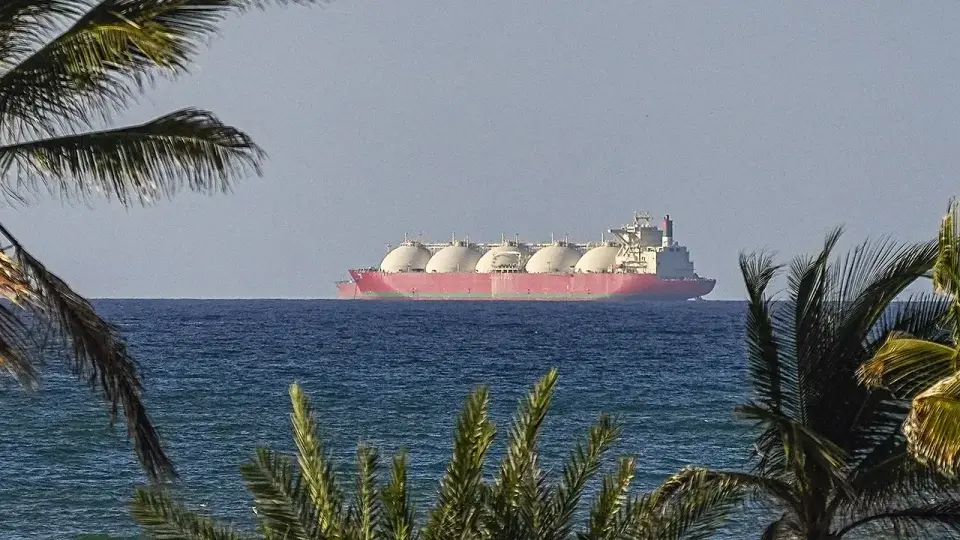
Approximately 40 million barrels of Iranian crude remain aboard tankers near Malaysia, outside the US naval blockade in the Persian Gulf. This floating stockpile challenges the Trump administration’s 'Operation Economic Outcast,' which aims to cut off Tehran’s revenue. While new exports have dropped, the existing inventory allows Iran to potentially monetize oil already past the blockade line, testing the limits of Washington’s financial isolation strategy.
Key points
- Treasury Secretary Scott Bessent launched 'Operation Economic Outcast' to enforce a 'zero-leakage' policy, targeting Iran’s remaining revenue sources beyond oil, including digital assets and shipping.
- Roughly 40 million barrels of Iranian crude, equivalent to 20 very large crude carriers, are currently stored on tankers near Malaysia, east of Singapore, outside the US blockade zone.
- China’s imports of Iranian crude have fallen to an estimated 534,000 barrels per day in August, down from 823,000 in July, indicating the blockade is restricting new exports.
- Iran utilizes ship-to-ship transfers to obscure the origin of oil before it reaches buyers, often independent Chinese refineries, complicating enforcement efforts.
- A War Department official confirmed US forces will continue 'global maritime enforcement' to interdict sanctioned vessels supporting Iran wherever they operate.
- Former Treasury official Max Meizlish argued that without seizing these shadow-fleet tankers, Tehran could still convert the oil into cash to fund military rebuilds and imports.
Background
This situation follows a broader escalation in US-Iran tensions, including a naval blockade of the Strait of Hormuz and previous sanctions on shadow-fleet vessels. In July 2026, reports indicated Iran was preparing dark vessels to bypass the blockade, with oil accounting for half of its revenue. Recent disruptions, such as an oil spill in Oman in August 2026, highlighted the environmental and economic risks of the closed strait. Additionally, EU forces have been actively boarding sanctioned tankers in international waters, reflecting a coordinated international effort to disrupt illicit petroleum flows.
Why it matters
The ability of Iran to monetize oil already outside the blockade zone determines the effectiveness of the US 'zero-leakage' strategy. If Tehran successfully sells this stockpile, it retains the financial capacity to sustain its regime, fund military reconstruction, and support regional proxies, undermining the goal of total economic isolation.
What to watch
The US administration may expand enforcement against shadow-fleet vessels near Malaysia, potentially requiring congressional action to facilitate seizures. Diplomatic pressure may increase on China, particularly regarding financial institutions that facilitate the conversion of oil proceeds, as Washington seeks to close remaining loopholes in the sanctions regime.
Want the full story? Read the original reporting
Read on Fox News