
Israel and US Prepare for Joint Iran Strikes as Trump Deliberates Amid Diplomatic Stalemate
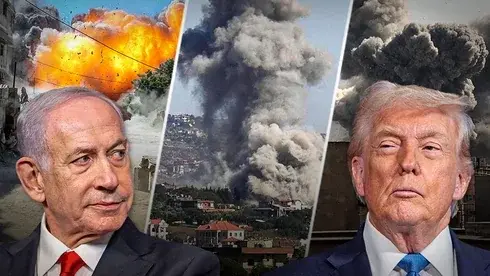
Israeli and American military officials are coordinating preparations for a potential joint strike against Iran, though President Trump has not yet authorized action. The US has deployed significant forces, including two aircraft carriers, to the region, while diplomatic efforts led by Qatar continue to stall. Israeli Prime Minister Benjamin Netanyahu is pressing for immediate action to degrade Iranian capabilities, but the decision rests with Washington, where military commanders warn of rising costs and readiness concerns.
Key points
- US Central Command Chief Adm. Brad Cooper met with senior Israeli defense and intelligence officials, including Mossad Director Roman Gofman, to assess the situation.
- CBS News reports that US forces could launch a new operation within two to four days of receiving presidential authorization.
- Trump stated he wants a permanent nuclear deal but rejected Iran's current terms, while Iranian officials called the US naval blockade an 'act of war.'
- The Financial Times reported that US military leaders are concerned about the financial and operational strain of maintaining a large deployment in the Middle East.
- Iranian officials warned that any new conflict could lead to retaliatory strikes on US bases in Europe and undersea internet cables.
Background
This situation follows a period of intense diplomatic and military tension that began in early 2026. Previous coverage noted that Trump had been weighing strikes since October, coinciding with Israeli elections and rising oil prices. In November, Gulf leaders warned that failing to reach a political solution could have catastrophic global consequences. The current standoff is part of a broader conflict that includes a US naval blockade of Iran and intermittent exchanges of fire in the Strait of Hormuz.
How outlets are covering it
Outlets highlight different aspects of the crisis. CBS News emphasizes the speed of potential US action and Netanyahu's concerns about Iran rebuilding missile capabilities. The New York Times focuses on the division within the Trump administration regarding intelligence on Iranian chemical and biological weapons programs. YnetGlobal notes that while Netanyahu is pressing for regime change, Israeli defense officials are skeptical that this is a realistic military objective. The Financial Times provides a contrasting view from US military commanders, who warn that the prolonged deployment is eroding operational readiness and consuming resources needed for other missions. Iranian media, such as Iran International, frames the US blockade as an act of war and highlights Tehran's refusal to transfer enriched uranium abroad.
Why it matters
The potential resumption of hostilities could escalate into a wider regional conflict, affecting global energy markets and international security. The decision by Trump to authorize strikes or not will determine whether the current stalemate continues or leads to a new round of major military operations. The outcome also has significant implications for the US-Iran relationship and the future of the nuclear deal.
What to watch
The next few weeks are critical as Trump is expected to reassess the situation after the beginning of 2027. Diplomatic efforts led by Qatar will continue to attempt to bridge the gap between Washington and Tehran. The US military will monitor the readiness of its forces and the potential impact of reduced defense funding from the new Congress. Iranian officials will likely continue to issue threats and prepare for potential retaliation, while Israeli officials will maintain their defensive posture.
- Israel braces for surprise Iran attack as US weighs strikes Ynetnews
- U.S. and Israel considering new assault on Iran, sources say CBS News
- Live - US, Israel weigh strikes, Bessent says Iran may never be paid for oil already sold Iran International
- Trump Weighs New Strikes on Iran as Israel Presses for Action, Officials Say The New York Times
- Israeli Spy Chief Pressed for Renewed Iran Strikes During U.S. Visit WSJ
Want the full story? Read the original reporting
Read on Ynetnews