
Israel orders military readiness for Iran strikes as Tehran vows global retaliation
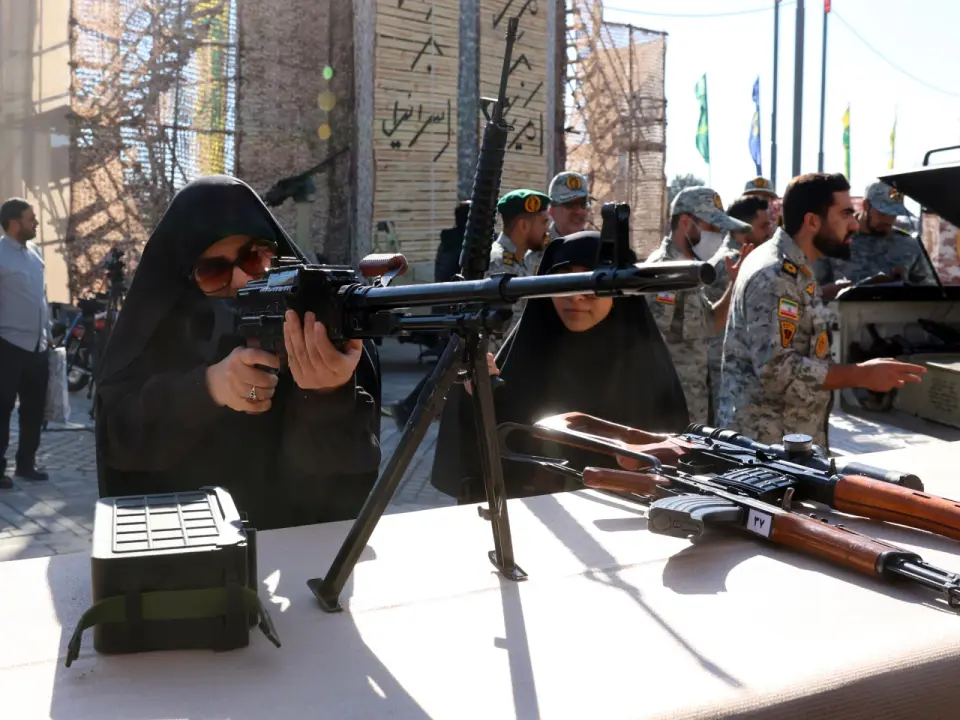
Israel’s security cabinet has ordered the military to increase readiness for potential strikes on Iran, a move reported by Israeli media. Tehran has responded by warning that any US or Israeli aggression would trigger attacks on American bases across West Asia and Europe. While Washington maintains a naval blockade and economic pressure, President Trump has stated that large-scale military operations are unnecessary for now, prioritizing diplomatic solutions mediated by Qatar. The situation is complicated by internal Israeli disagreements, with military leadership reportedly opposing immediate action due to political uncertainty.
Key points
- Israeli public broadcaster KAN reported that Prime Minister Benjamin Netanyahu’s security cabinet ordered the military to step up preparations for an attack on Iran, potentially triggering a wider war.
- Iranian security chief Mohsen Rezaei warned that if the US launches another war, every US military base from West Asia to Europe will be a legitimate target, stating there is 'no safe distance' or immunity.
- US Secretary of State Marco Rubio indicated that the administration’s economic pressure campaign is effective enough that resuming large-scale military operations is unnecessary unless Iran crosses specific red lines.
- Iran’s Parliament Speaker Mohammad Bagher Ghalibaf stated that the Strait of Hormuz will never return to its pre-war status and that the US lacks the trust required for a deal, despite ongoing diplomatic efforts.
- Oil prices rose approximately 1% on Wednesday after Tehran rejected a US proposal to transfer its 60% enriched uranium stockpile to a third country, with Brent crude settling at $92.76 per barrel.
Background
This escalation follows a period of 'no war, no peace' since the US-Israel war on Iran began in February 2026. Previous coverage noted that Iran claimed its military capabilities had been strengthened despite earlier strikes, while Gulf states warned of retaliation if their infrastructure was targeted. The current standoff occurs amid significant economic damage to the region, with earlier reports citing over $200 billion in physical damage to Gulf states and ongoing US naval blockades in the Strait of Hormuz.
How outlets are covering it
Outlets highlight a sharp divergence between Israeli and US strategic goals. Al Jazeera and Ynetnews report that Netanyahu is pushing for regime change in Tehran, viewing it as the only permanent solution to the nuclear threat, while the Trump administration favors exhausting diplomatic options. The Times of Israel notes that IDF Chief of Staff Eyal Zamir has reportedly opposed Netanyahu’s push for military action, citing political uncertainty and the White House’s dwindling desire for war. Fox News emphasizes the US strategy of 'economic strangulation,' noting that Treasury Secretary Scott Bessent has relocated to a military base due to advanced-stage Iranian threats, while Rubio rejects 'stupid deals' in favor of continued pressure. Conversely, Al Jazeera reports that Iranian officials deny active negotiations, with Rezaei insisting that no talks are underway, contradicting Trump’s claims of polite communication.
Why it matters
The potential for renewed strikes threatens to collapse the current fragile ceasefire and could trigger a broader regional conflict involving US bases in Europe and the Middle East. The disagreement between Israeli and US leaderships over the timing and necessity of military action creates a risk of miscalculation, while the continued closure of the Strait of Hormuz and economic sanctions keep global energy markets volatile. If diplomatic efforts mediated by Qatar fail, the stated Iranian intent to target US assets globally could escalate the conflict beyond the immediate region.
What to watch
Watch for any official confirmation of Israeli military mobilization or further statements from the US Central Command regarding the naval blockade. Monitor oil price fluctuations in response to any developments in the Strait of Hormuz or uranium negotiations. Observe whether the Israeli opposition, led by Gadi Eisenkot, successfully forms a new government that might alter the security cabinet’s directives, and track any further diplomatic signals from Qatar or Washington regarding a potential ceasefire deal.
- Iran warns of expanded retaliation as Israel reportedly readies to attack Al Jazeera
- Rubio says US will hold off on major strikes while keeping Iran under pressure Fox News
- Zamir said to again warn against Netanyahu advancing ill-advised action against Iran The Times of Israel
- ‘Shouting match from hell’: Trump, Netanyahu clash over Iran war Ynetnews
- Analysis • Netanyahu is desperate to stay in power, and eyes Iran war as potential lifeline Haaretz
Want the full story? Read the original reporting
Read on Al Jazeera