
Kallas Rejects Russian Security Demands, Insists on Ceasefire Before European Architecture Talks
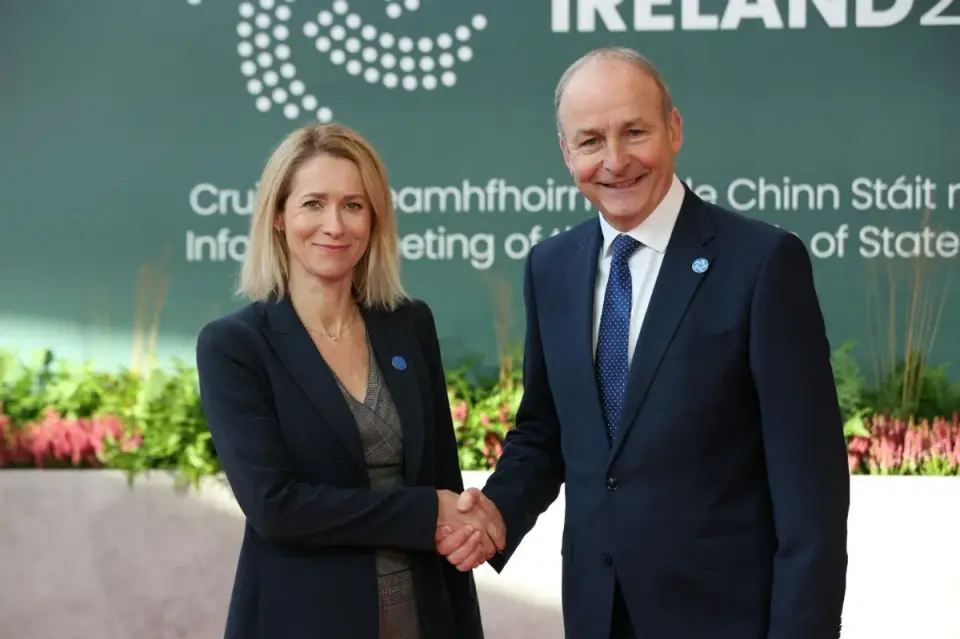
EU foreign policy chief Kaja Kallas warned that Russia is attempting to derail Ukraine peace talks by demanding immediate discussions on European security architecture. She insisted that a ceasefire must precede any broader negotiations, accusing Moscow of setting traps to weaken Europe's position. While the US has asked Russia to propose new security terms, European leaders remain divided on representation, with Kallas asserting her mandate to speak for all 27 EU members against a fragmented approach.
Key points
- Kallas stated that Russia is an aggressor with no legitimate security concerns, arguing that engaging with its demands before a ceasefire plays into Kremlin tactics.
- The US envoys Jared Kushner and Steve Witkoff have asked Russia to draft a new security proposal that includes de-escalation steps, but Europe remains skeptical of this approach.
- Kallas rejected the idea that Russia should influence who represents Europe, asserting that EU leaders agreed in 2024 that she holds the mandate for foreign and security policy.
- European leaders in Dublin agreed on a negotiating team comprising EU institutions and the E5 countries (Britain, France, Germany, Italy, Poland), though some nations prefer smaller formats like the E3.
- Kallas welcomed Kushner’s acknowledgment that Europe must be involved in implementing any peace deal but stressed that Europe must influence outcomes, not just attend meetings.
Background
This dispute follows earlier tensions where Kallas criticized US-led security frameworks that excluded Europe and rejected Russian demands for NATO retreats to 1997 borders. Recent EU sanctions packages and Kallas’s previous warnings about normalizing Russian aggression provide background to her current stance on maintaining a unified European negotiating position.
How outlets are covering it
Kyiv Post and The Guardian emphasize Kallas’s warning that Russia is using security architecture talks as a distraction from the ongoing war, with Kallas labeling these moves as 'traps.' Axios highlights the US strategy of asking Russia to propose new security terms to facilitate a broader peace deal, noting that the US views European participation as essential for implementation. The sources differ on the level of agreement: Kyiv Post focuses on Kallas’s firm rejection of Russian demands, while The Guardian notes internal European debates over whether to use a single envoy or a broader team, with Sweden and the UK supporting flexible formats. All sources agree that Russia has resisted including Europeans in talks, with Russian negotiator Vladimir Medinsky questioning the value of such discussions.
Why it matters
The outcome of these negotiations will determine whether Europe can maintain a unified stance against Russian pressure or risk being divided by US-led initiatives. If Europe fails to present a cohesive position, it may weaken its leverage in future peace talks and allow Russia to dictate terms regarding NATO presence and security guarantees in Eastern Europe.
What to watch
European leaders are expected to finalize their negotiating team and demands ahead of the next round of US-mediated talks. The US plans to meet with Putin in Moscow and Zelensky in Dublin to push for a prisoner exchange and discuss security architecture. Europe’s ability to present a unified front will be tested as it prepares to engage with Russia’s new proposals.
- ‘I Know the Russians Don’t Want Me’: Kallas Warns Europe Against Putin’s Trap in Ukraine Peace Talks Kyiv Post
- Russia is ‘setting traps’ in Ukraine talks, EU foreign policy chief warns The Guardian
- The dangers of revising Europe's security architecture DW.com
- Scoop: U.S. asks Russia to propose new security agreement with Europe Axios
- Putin Tests Europe’s Unity With New Pressure to Talk Security Bloomberg.com
Want the full story? Read the original reporting
Read on Kyiv Post