
Khamenei Orders Global Retaliation as Gulf Nations Brace for War Amid Hormuz Talks
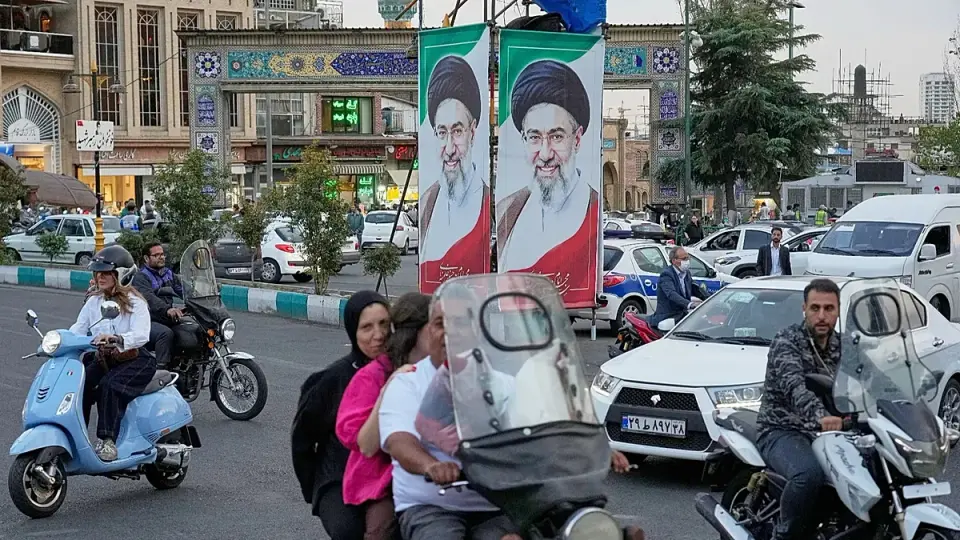
Iranian Supreme Leader Mojtaba Khamenei has directed military commanders to prepare for an immediate, geographically unrestricted response to any future US or Israeli attack, potentially targeting Europe and the South Caucasus. This directive follows warnings that Washington may launch a short but intensive military campaign after the US midterm elections. While Tehran maintains a hardline stance, Foreign Minister Abbas Araghchi signaled flexibility in Qatari-mediated talks, proposing to reopen the Strait of Hormuz within two days if the US lifts its blockade and sanctions. Gulf states remain in a state of 'no war, no peace,' with UAE officials warning that the region is braced for the worst despite ongoing diplomatic efforts.
Key points
- Khamenei met with top military commanders on Saturday, ordering them to prepare for a 'geographically unrestricted response' to any threat, which could include targets in Europe and Turkey.
- Iranian officials claim weapons production has increased seven-fold, and the supreme leader stated that Iran would determine the duration of any new conflict.
- Foreign Minister Abbas Araghchi indicated Tehran could agree to reopen the Strait of Hormuz in two days, down from a previous seven-day timeline, contingent on US concessions.
- US Assistant Secretary of State Donald Blome stated that while negotiation channels are open, the US is prepared to act if Iran does not restore normal navigation in the strait.
- UAE presidential adviser Anwar Gargash warned that Gulf nations are 'braced for the worst' and criticized the lack of collective unity among regional states in addressing the crisis.
Background
This escalation follows a series of incidents in late October 2026, including a supertanker fire in the Strait of Hormuz and stalled diplomatic talks. Previous coverage noted that while US officials claimed the strait was clear of mines, Iran insisted on controlling transit permissions. The current situation builds on earlier warnings from Khamenei regarding unrestricted retaliation and the ongoing 'no war, no peace' dynamic in the Gulf region.
How outlets are covering it
Euronews emphasizes the broad scope of Khamenei's threat, noting it could extend to Europe and the South Caucasus, and highlights the internal military briefing where commanders reported a seven-fold increase in weapons production. Al Jazeera focuses on the diplomatic nuance, reporting that Araghchi hopes for 'rationality' from the US and that Qatari mediation has accelerated the timeline for reopening the Strait of Hormuz. AP News provides a regional perspective, quoting Saudi and Egyptian officials who urge calm and warn that a second round of conflict would be more destructive. Axios, while limited in detail, confirms the 'maximum response' framing of the Iranian directive. The sources differ on the likelihood of immediate war; Euronews and AP suggest high tension, while Al Jazeera notes a 'sense of urgency' to reach a deal before the US midterm elections.
Why it matters
The threat of a geographically unrestricted response raises the risk of a wider regional conflict, potentially involving European targets. The Strait of Hormuz remains a critical chokepoint for global energy supplies, and any disruption could impact global economies and energy prices. The upcoming US midterm elections add a political dimension, as Washington may seek a decisive military action before the election cycle concludes.
What to watch
The US is expected to respond to Iran's conditions for reopening the Strait of Hormuz, including the lifting of sanctions and the release of frozen assets. If no agreement is reached, the US may proceed with a military campaign after the midterm elections. Gulf nations are expected to continue mediation efforts, but the lack of unity among regional states may hinder a peaceful resolution.
- Iran warns of 'geographically unrestricted response' if US attacks Euronews.com
- Iran war live: US response awaited on new proposal to reopen Hormuz: Tehran Al Jazeera
- Iran's supreme leader orders "maximum" response to any U.S. attack Axios
- Iran army: Potential war could be ‘longer than previous conflict,’ Trump won’t dictate its duration The Times of Israel
- Iran's leader says response to attack would have no 'geographic limits,' and other Mideast news AP News
Want the full story? Read the original reporting
Read on Euronews.com