
Khamenei Orders 'Unrestricted' Response as US Weighs Post-Election Strikes
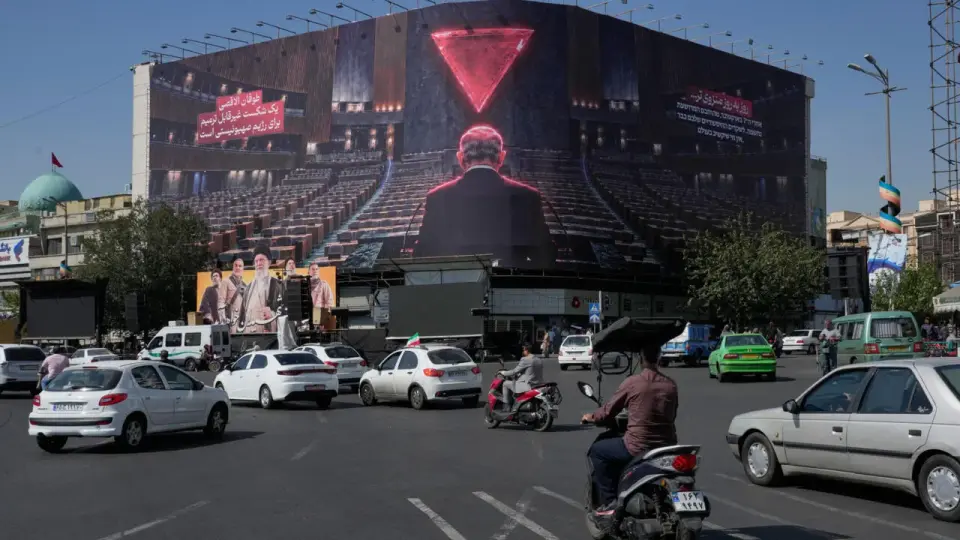
Iran’s Supreme Leader Mojtaba Khamenei has issued a stark warning to the US and Israel, ordering military commanders to prepare for an 'immediate, impactful and geographically unrestricted response' to any new attacks. This escalation comes as US Secretary of State Marco Rubio confirmed that President Trump has not yet decided whether to resume strikes, a decision potentially tied to the upcoming US midterm elections. While diplomatic channels remain stalled with Iran rejecting direct talks, regional leaders in Bahrain are urging calm, and the Strait of Hormuz remains a flashpoint with reported ship incidents and US naval escorts.
Key points
- Mojtaba Khamenei held his first public meeting with top military commanders, including Ali Abdollahi and Ahmad Vahidi, to order an unrestricted response to any future aggression.
- US Secretary of State Marco Rubio stated at a G20 event that Trump has not made a decision on new strikes but emphasized the US retains the military capability to act if necessary.
- Iranian Foreign Minister Abbas Araghchi confirmed there are no plans for direct talks with the US, though he acknowledged indirect mediation via Qatar and Pakistan as a positive step.
- The US blockade of the Strait of Hormuz has redirected 144 vessels, and Iran claims multiple tankers have struck mines in the waterway, causing fires and disrupting global oil flows.
- Regional leaders, including Saudi Arabia and Egypt, called for de-escalation at a security forum in Bahrain, warning that a second round of war would be more destructive.
Background
The current standoff follows the initial US-Israeli strikes on Iran in February 2026, which killed Ayatollah Ali Khamenei and led to his son Mojtaba assuming leadership. Since then, the conflict has involved Iranian attacks on US bases in the Middle East and a US maritime blockade of Iranian ports. Previous diplomatic efforts, including an Istanbul summit in October and a letter from US Vice President JD Vance to Iran’s security chief, have failed to produce a lasting agreement, with fundamental disagreements over nuclear terms and sanctions remaining unresolved.
How outlets are covering it
France 24 and CBS News highlight the dual nature of the US approach: Rubio’s public statement that no decision has been made on strikes contrasts with Trump’s private comments to reporters that the US has 'knocked out' much of Iran’s military and only needs to address 'one or two' remaining targets, specifically mentioning a suspected underground nuclear complex. Axios, though largely obscured by cookie notices in the provided text, aligns with the narrative of Iran ordering a 'maximum' response. AP News and CBS News emphasize the regional diplomatic push, noting that while Iran rejects direct talks, mediators from Qatar and Pakistan are actively engaged. There is a divergence in emphasis: US officials focus on the military capability to finish the war quickly, while Iranian officials and regional leaders focus on the catastrophic consequences of escalation and the need for a diplomatic exit.
Why it matters
The potential resumption of hostilities could trigger a wider regional conflict, particularly given Iran’s threats to target commercial vessels and energy infrastructure. The timing is critical due to the US midterm elections, where gains for the opposition Democrats could restrict Trump’s policy options. Additionally, the ongoing blockade and shipping incidents in the Strait of Hormuz are spiking global energy prices, affecting economies worldwide and influencing voter sentiment in the US. The uncertainty over Iran’s nuclear doctrine and the status of its nuclear sites adds a layer of strategic risk to any potential military action.
What to watch
Analysts expect the US decision on strikes to be finalized after the midterm elections on Tuesday. Diplomatic efforts will likely continue through Qatari and Pakistani mediators, with Iran’s conditions for reopening the Strait of Hormuz and lifting sanctions serving as key negotiating points. The next few days will be critical for monitoring any changes in military posturing or diplomatic breakthroughs, as well as the outcome of Israeli elections which may influence Netanyahu’s stance on the conflict.
- Iran's Khamenei warns US and Israel against new attacks France 24
- Iran's supreme leader orders "maximum" response to any U.S. attack Axios
- Live Updates: Iran's supreme leader warns U.S., Israel against new attacks CBS News
- Iran's leader says response to attack would have no 'geographic limits,' and other Mideast news AP News
- Iran’s Khamenei Orders Military to Expand US Retaliation Plans Bloomberg.com
Want the full story? Read the original reporting
Read on France 24