
Nato intercepts drone in Latvia as Moscow escalates electronic warfare
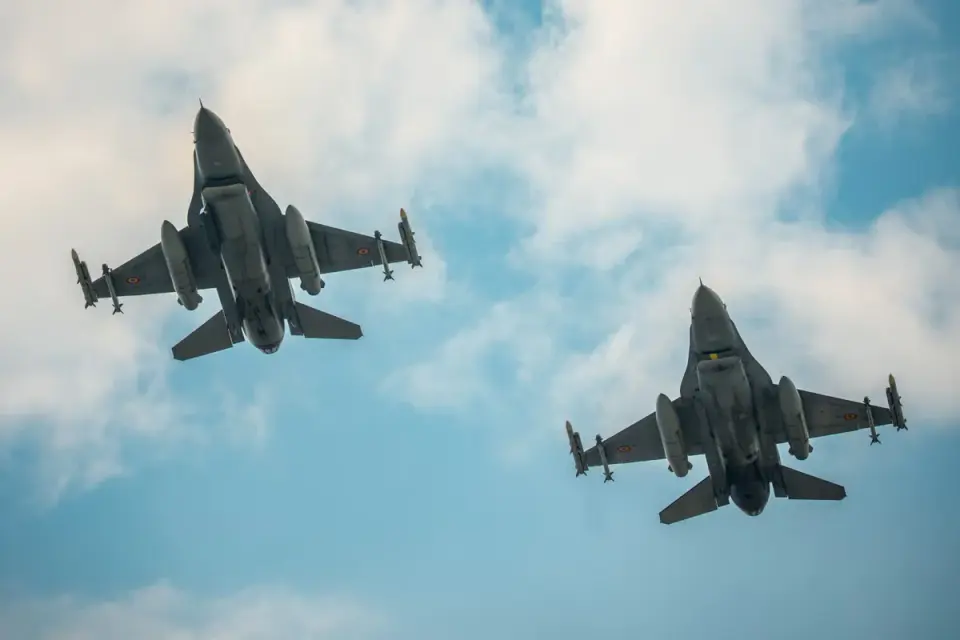
Nato fighter jets shot down a foreign drone over Latvia’s Balvi region, an incident authorities attribute to Russian electronic warfare disrupting navigation systems. The interception, involving Italian and Turkish aircraft, follows a similar event in June and highlights growing security concerns in the Baltic states.
Key points
- Nato Baltic Air Policing jets, including Italian Eurofighters and Turkish F-16s, destroyed a drone over Latvia’s Balvi municipality.
- Latvian officials stated the drone entered their airspace due to Russian electromagnetic warfare, which likely jammed its navigation signals.
- Finland briefly restricted airspace in the Gulf of Finland as a precaution, though no drones entered Finnish territory.
- Latvian Prime Minister Andris Kulbergs emphasized the need to strengthen eastern border surveillance and anti-drone capabilities.
- This is the second such drone interception in Latvia in two months, with the previous incident occurring in June.
Background
This incident follows a pattern of drone incursions into Baltic and Eastern European airspace linked to the Russia-Ukraine war. In July, Romania shot down three drones in three days, and in June, Latvia intercepted a similar drone attributed to Russian electronic warfare. These events have heightened security concerns in NATO’s eastern flank, particularly in countries bordering Russia.
How outlets are covering it
The Independent and CNBC both report that the drone was shot down by Nato jets and attribute the incursion to Russian electronic warfare. However, The Independent’s headline suggests a broader context of Moscow shooting down dozens of drones, which may refer to a wider pattern of Russian air defense activity, while CNBC focuses specifically on the single Latvian incident. Bloomberg’s coverage is limited due to technical issues but aligns with the narrative of growing drone incidents. All sources agree that the drone was likely Ukrainian in origin but knocked off course by Russian jamming.
Why it matters
The incident underscores the spillover effects of the Russia-Ukraine war into NATO territory, raising concerns about the stability of the Baltic region. It highlights the need for enhanced surveillance and anti-drone capabilities in Eastern Europe and may influence NATO’s defense strategies and sanctions against Russia.
What to watch
Nato and Baltic states are expected to continue strengthening their air defense and surveillance systems. There may be increased diplomatic pressure on Russia to cease electronic warfare activities that disrupt navigation systems. Further drone incidents could lead to more stringent sanctions or military responses from NATO allies.
- Ukraine live: Moscow shoots down dozens of drones after Nato jets scrambled in Latvia The Independent
- NATO aircraft shoot down drone over Latvia, which blames 'Russian electromagnetic warfare' CNBC
- Italian NATO fighter jet shoots down drone in Latvian airspace Reuters
- NATO jets shoot down drone over Latvia dw.com
- NATO Jets Shot Down Drone That Entered Latvian Airspace Bloomberg.com
Want the full story? Read the original reporting
Read on The Independent