
Modi’s SCO plea for peace signals shifting leverage in India-Russia ties
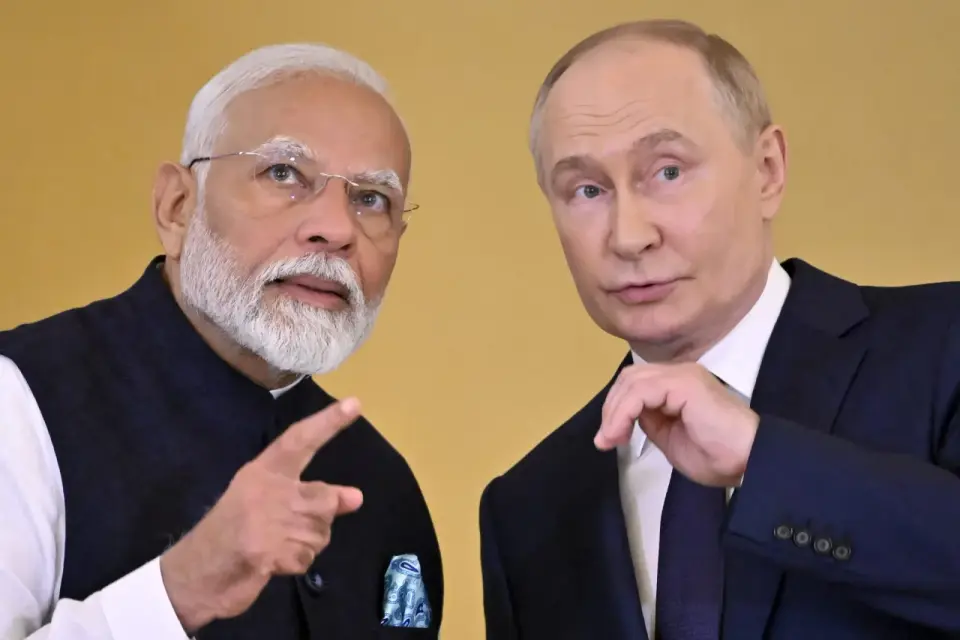
Indian Prime Minister Narendra Modi publicly urged Russian President Vladimir Putin to end the war in Ukraine during the Shanghai Cooperation Organisation summit in Kyrgyzstan. While framing the appeal as a call for humanity, the move reflects India’s growing economic leverage due to Russia’s declining oil output and the threat of new US tariffs. This marks a shift from previous neutrality, as Delhi diversifies energy imports and positions itself as a global mediator.
Key points
- Modi told Putin to move from 'endless war to an end of this war' at the SCO summit in Bishkek, Kyrgyzstan, on August 31, 2026.
- Russia downgraded its 2026 oil production forecast to a 17-year low, with estimates for the next three years up to 20 million tons lower than in May, following Ukrainian strikes on energy infrastructure.
- The Lindsey O. Graham Sanctioning Russia Act is expected to pass the US House soon, proposing tariffs of up to 100% on nations buying Russian energy or arms.
- India’s reliance on Russian crude has risen, accounting for over 50% of imports in June and July 2026, but Delhi is diversifying sources due to US pressure and the Iran conflict.
- Putin responded politely but vaguely, stating he is 'moving forward along this path,' while Russia’s Defense Ministry announced plans for massive strikes on Ukrainian energy infrastructure.
Background
This development follows earlier reports from September 2026 indicating that Modi’s remarks signaled a shift in Moscow’s alliances. Previous coverage noted that while India had urged peace behind closed doors since 2022, this was the first time such a critique was delivered publicly by a close ally. It also follows US Secretary of State Marco Rubio’s July 2026 comments regarding Russia’s significant weekly troop losses in Ukraine.
How outlets are covering it
UnHerd frames Modi’s statement as a humiliating rebuke that exposes Putin’s loss of friends, suggesting India is confident in its leverage due to Russia’s energy struggles. BBC analysts argue the comments are consistent with India’s long-standing strategic autonomy and do not signal a tactical policy shift, noting that Moscow likely expected such diplomatic language. CNBC emphasizes the economic drivers, highlighting that India’s oil imports from Russia have surged to over $34 billion between April and July 2026, but the threat of US tariffs is forcing Delhi to diversify. Al Jazeera contextualizes the event within the broader SCO summit, where leaders from China, Iran, and others sought to maintain a multipolar world order independent of Western influence, though it notes internal disagreements among members.
Why it matters
The event highlights a potential fracture in the Russia-India alliance, driven by economic realities rather than ideological shifts. As Russia’s energy leverage wanes due to Ukrainian strikes and US sanctions, India is repositioning itself as a neutral mediator. This could influence future diplomatic efforts, including potential trilateral talks involving Trump, Putin, and Zelensky, and may accelerate India’s diversification of energy sources to avoid US penalties.
What to watch
The US House is expected to vote on the Lindsey Graham bill in late September 2026. If passed, it could impose severe tariffs on India, forcing a rapid reduction in Russian oil purchases. Meanwhile, Russia is expected to continue its military campaign, with Defense Ministry officials indicating intensified strikes on Ukrainian infrastructure to maintain pressure before winter.
- Modi’s Ukraine rebuke shows Putin is losing his friends UnHerd
- Ukraine war: What to make of Modi's plea to Putin to end conflict BBC
- Kyrgyzstan hosts pivotal SCO summit amid global geopolitical shifts Al Jazeera
- Indian Prime Minister Modi asks Putin to end Ukraine war amid U.S. tariff threat on Russian oil cnbc.com
- Leaders of China, Russia and India meeting to counter U.S. influence NBC News
Want the full story? Read the original reporting
Read on UnHerd