
Moscow’s Nuclear Ultimatum Over Kaliningrad Sparks NATO Rejection and Hybrid Warfare Debate
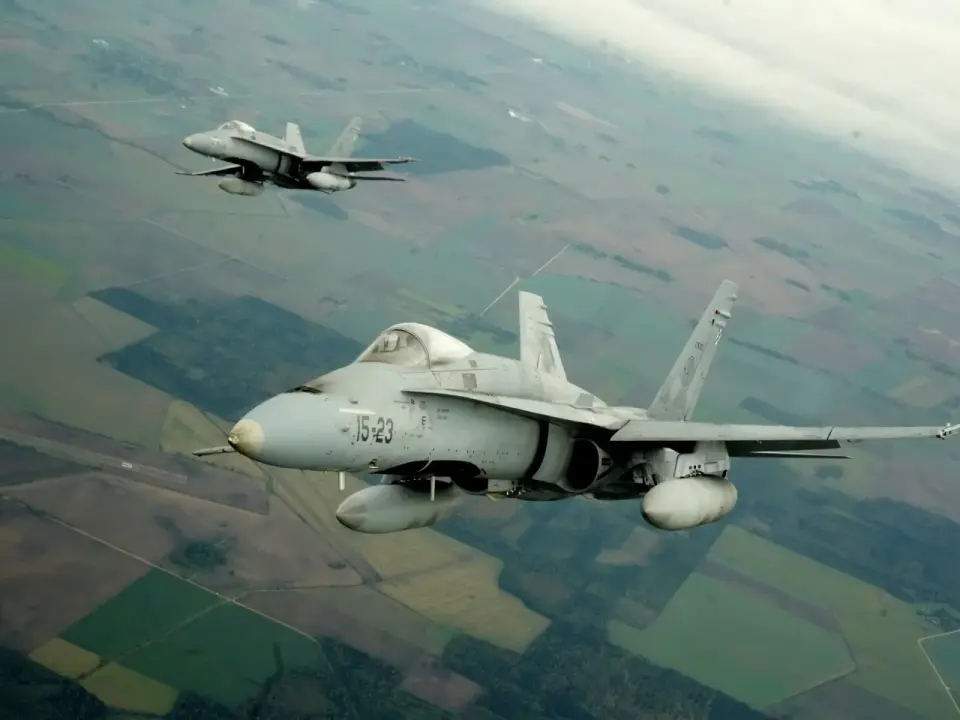
Russia warned NATO it would use nuclear weapons if the alliance attempts to blockade its Kaliningrad exclave. NATO Secretary-General Mark Rutte dismissed the threat as 'irresponsible,' while experts debate whether Moscow is using nuclear rhetoric to deter support for Ukraine or signaling a shift toward hybrid warfare.
Key points
- Russia sent a diplomatic memo to NATO claiming the alliance is preparing an air and naval blockade of Kaliningrad, threatening to use its 'entire arsenal,' including nuclear weapons, if the exclave is cut off from the mainland.
- NATO Secretary-General Mark Rutte responded by calling the threat 'not helpful' and 'irresponsible,' asserting that NATO is a defensive alliance and that Putin 'knows he can never win' a direct escalation.
- The warning coincides with heightened tensions in the Baltic, including alleged Russian airspace incursions into Poland and a Russian warship firing flares near a Danish helicopter.
- Experts suggest the threat may be part of a broader hybrid warfare strategy, with Kaliningrad serving as a 'front line' for disrupting European infrastructure and communications.
- Lithuania condemned the threats, stating they aim to fracture transatlantic unity and impede support for Ukraine, while affirming its readiness to defend NATO territory.
Background
This escalation follows a series of recent incidents in the Baltic region, including airspace incursions and electronic warfare drills. The warning comes more than four and a half years into Russia's full-scale war in Ukraine, as tensions increasingly spill into neighboring states. Previous archive coverage from September 30, 2026, noted similar nuclear threats and NATO's dismissal of them as 'irresponsible rhetoric' amid intensified Russian drone strikes on Kyiv.
How outlets are covering it
Al Jazeera and The Guardian emphasize NATO's dismissive response, with Rutte downplaying the threat and asserting no imminent danger to NATO territory. Fox News highlights expert concerns that the threat signals a shift toward hybrid warfare, with Kaliningrad acting as a 'front line' for disrupting European infrastructure. The Independent focuses on the chilling nature of Putin's threat to use 'all Russia's weapons' against Europe if attacked. All sources agree that the threat is part of a broader pattern of Russian escalation, but differ on the perceived immediacy and strategic intent behind the warning.
Why it matters
The nuclear threat over Kaliningrad underscores the fragility of the current peace in Europe and the potential for miscalculation. It highlights the growing role of hybrid warfare in the Russia-NATO confrontation and the challenges NATO faces in defining and responding to such threats. The incident also tests the resolve of NATO members, particularly those bordering Russia, and their commitment to supporting Ukraine.
What to watch
NATO is expected to continue monitoring the situation in the Baltic, with increased air defense posture in Poland and Lithuania. The alliance may also seek to clarify its stance on hybrid warfare and its relationship to Article 5. Russia's next moves will depend on the outcome of the Ukraine war and its ability to sustain pressure on NATO through both conventional and non-conventional means.
- Russia warns NATO of possible nuclear response if Kaliningrad is cut off Al Jazeera
- Russia sends nuclear warning to NATO as tensions rise in the Baltic Reuters
- Ukraine-Russia war latest: Nato responds to Putin’s nuclear weapon threat against member nations The Independent
- No imminent threat to Nato territory but alliance is prepared for Russian aggression, says Rutte - as it happened The Guardian
- Moscow threatens nuclear response over tiny fortress wedged between US allies as clash fears grow Fox News
Want the full story? Read the original reporting
Read on Al Jazeera