
NATO Defends Unity as Estonia Blames Moscow for Drone Maker Arson and Denmark Warns of Escalation
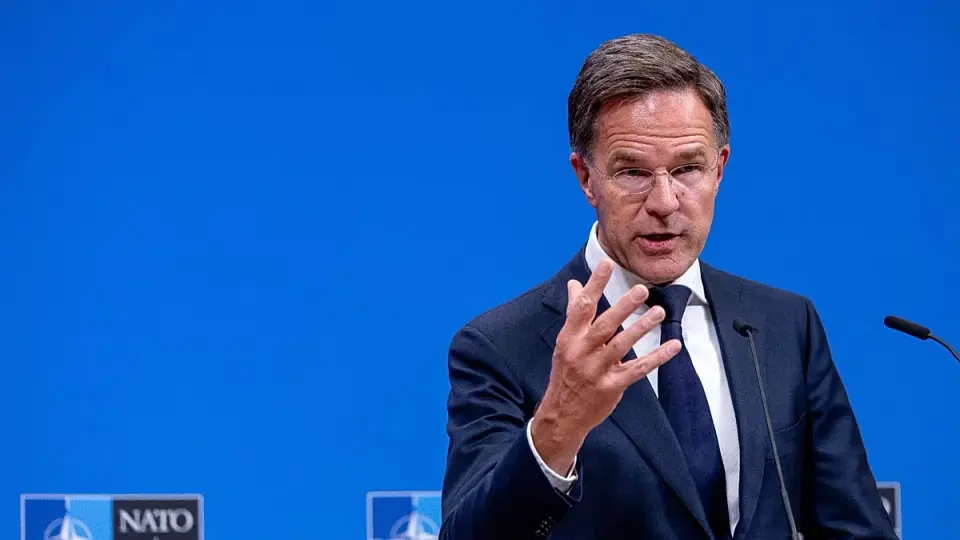
NATO Secretary General Mark Rutte asserted that Russia’s recent sabotage campaigns are failing to fracture Western support for Ukraine, following Estonia’s formal accusation that Moscow ordered an arson attack on defense firm Milrem Robotics. While European leaders condemned the incident as part of a broader hybrid strategy to intimidate allies, Danish intelligence warned of a 'low but growing risk' that Russia could launch limited military strikes or deploy troops into NATO territory in the coming months. The Kremlin dismissed the Estonian claims as baseless, while European officials emphasized that such provocations, though concerning, do not alter the alliance’s commitment to Kyiv.
Key points
- Estonia’s Foreign Minister Margus Tsahkna stated that Russian special services ordered an August arson attack on Milrem Robotics, a Tallinn-based defense contractor, and summoned the Russian ambassador in response.
- NATO chief Mark Rutte urged calm, stating that Russia’s hybrid actions are failing to undermine unity or reduce support for Ukraine, despite acknowledging that such activities can have an impact.
- Danish Defence Intelligence Service (DDIS) reported a 'low but growing risk' that Russia might conduct limited strikes on critical infrastructure or deploy troops without insignia into NATO countries within months to sow division.
- The Kremlin, via spokesman Dmitry Peskov, rejected Estonia’s accusations as 'baseless' and lacking reasoning, while European leaders including Germany’s Johan Wadephul and France’s Emmanuel Macron expressed full solidarity with Tallinn.
- Lithuanian Prime Minister Mindaugas Sinkevicius noted that while risks remain, there is no evidence of an imminent large-scale threat, and Estonian Prime Minister Kristen Michal described Putin’s actions as those of a 'rat in the corner' trying to break Western resolve.
Background
This development follows a series of hybrid provocations attributed to Russia since its 2022 invasion of Ukraine, including an explosive drone found at a German airport and a fire at a Starlink station in Poland. Previous archive coverage from September 29, 2026, confirmed Estonia’s initial accusation and the Kremlin’s denial, establishing the current escalation as part of a sustained pattern of interference aimed at weakening NATO cohesion.
How outlets are covering it
Euronews and The New York Times emphasize the political response, highlighting NATO’s resolve and the condemnation from European leaders like Macron and Sweden’s Ulf Kristersson. CNBC focuses on the strategic threat assessment from Danish intelligence, framing the situation as a potential precursor to limited military incursions. While all sources agree on the attribution of the Estonian arson to Russia, they differ in emphasis: Euronews and NYT focus on the diplomatic unity and rejection of Kremlin denials, whereas CNBC highlights the tangible security risks and the possibility of future kinetic actions, noting that Poland also identified a sabotage fire at a Starlink site.
Why it matters
The incident underscores the intensification of Russia’s hybrid warfare tactics in Europe, testing NATO’s cohesion and the resilience of its eastern flank. The Danish warning of potential limited strikes suggests that the threat landscape is evolving from covert sabotage to more direct, though still limited, military provocations, requiring a coordinated and robust response from the alliance to prevent escalation while maintaining support for Ukraine.
What to watch
NATO is expected to continue monitoring the situation for signs of further escalation, while European governments will likely increase security measures at critical infrastructure. The alliance must balance the need for a strong deterrent response with the risk of provoking a broader conflict, as intelligence agencies assess whether the current hybrid campaign will lead to more significant military actions in the coming months.
- NATO says Russian hybrid campaign not stopping support for Ukraine euronews.com
- Top NATO commander urges states to condemn Russian acts of sabotage Reuters
- Europe on edge from threats of Russia's growing escalation. Can NATO defend itself? : Sources & Methods npr.org
- Russia could attack a NATO country within months, Danish intelligence warns CNBC
- As Russia Steps Up Shadow War, Europeans Waver on How to Respond The New York Times
Want the full story? Read the original reporting
Read on euronews.com