
NATO Dismisses Moscow's Nuclear Threats Over Kaliningrad as Hybrid Warfare Escalates
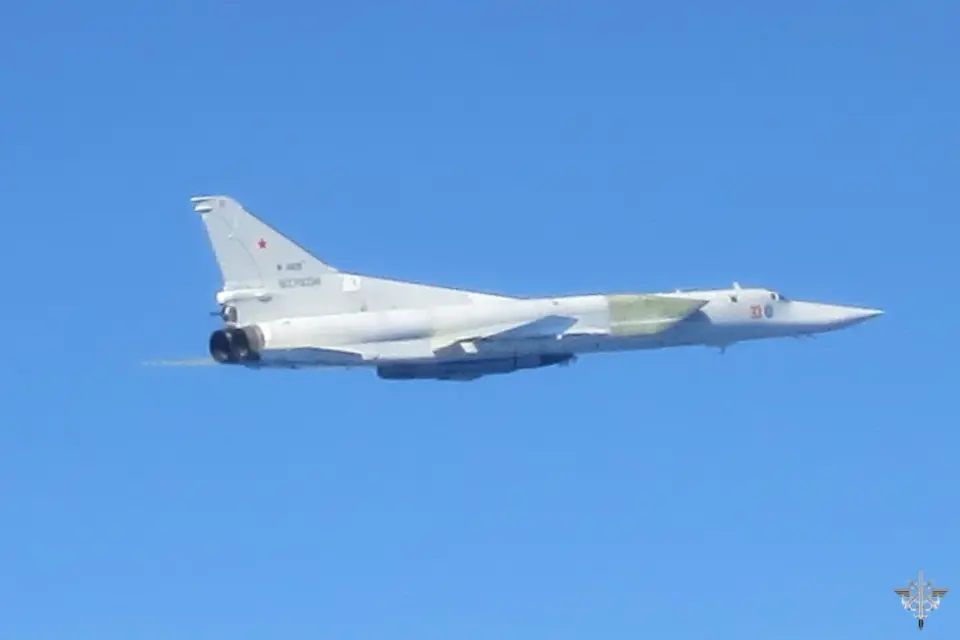
Moscow warned NATO it would use nuclear weapons if the alliance attempts to isolate the Kaliningrad exclave. NATO dismissed the threat as 'irresponsible rhetoric,' while experts warn the region is now a front line for Russian hybrid warfare targeting European infrastructure.
Key points
- Russia issued a formal diplomatic warning to NATO, stating it would use its 'entire arsenal,' including nuclear weapons, if the alliance attempts to blockade or isolate the Kaliningrad exclave from the Russian mainland.
- NATO Secretary General Mark Rutte confirmed receiving the 'not helpful' letter and responded by stating the alliance is purely defensive and poses no threat to Russian territory, urging Moscow to stop nuclear threats.
- Lithuania, which borders Kaliningrad, condemned the threats as an attempt to fracture transatlantic unity and impede support for Ukraine, affirming its commitment to defend every inch of NATO territory.
- Experts warn that Kaliningrad has become a 'front line' for Russian hybrid warfare, involving signals intelligence and interference with civilian infrastructure, which NATO must treat as equivalent to kinetic attacks.
- The threats coincide with intensified Russian drone strikes on Ukraine, which have caused significant economic damage, and warnings from European officials that the alliance faces a 'window of vulnerability' until 2030.
Background
This escalation follows a series of recent events, including NATO's Baltic Sentry mission and airspace incursions, which Moscow cited as provocations. The tension is part of a broader pattern of Russian hybrid warfare targeting European infrastructure, which NATO commanders have warned is no longer confined to the eastern flank.
How outlets are covering it
While all sources agree on the core facts of the warning and NATO's dismissal, they emphasize different aspects. The AP and The Guardian focus on the diplomatic exchange and Rutte's reassurance that there is no 'imminent threat' to NATO territory. Fox News highlights the strategic implications, with experts like Dr. Azeem Ibrahim arguing that NATO must reconfigure its posture to treat hybrid attacks as equivalent to kinetic ones and that the threats are a sign of desperation to deter Western support for Ukraine. The Independent provides broader context on the war's impact, noting that missile alerts cost Ukraine $45 million per hour in halted business activity, underscoring the economic pressure Moscow is applying.
Why it matters
The nuclear threat over Kaliningrad raises the stakes of the Russia-Ukraine war, potentially drawing NATO into a direct confrontation. It also highlights the growing threat of hybrid warfare, which targets civilian infrastructure and is difficult to attribute, challenging NATO's traditional collective defense framework. The response from NATO and its allies will be a key indicator of the alliance's resolve and cohesion in the face of Russian pressure.
What to watch
NATO is expected to continue its defensive posture and support for Ukraine, while monitoring Russian activities in the Baltic region. The alliance may also consider new measures to counter hybrid warfare, such as establishing clearer consequences for attacks on infrastructure. The situation will likely remain tense, with the potential for further escalatory rhetoric or actions from Moscow.
- Russia warns NATO of a possible nuclear response if Kaliningrad is cut off apnews.com
- Russia sends nuclear warning to NATO as tensions rise in the Baltic Reuters
- Ukraine-Russia war latest: Nato responds to Putin’s nuclear weapon threat against member nations The Independent
- No imminent threat to Nato territory but alliance is prepared for Russian aggression, says Rutte - as it happened The Guardian
- Moscow threatens nuclear response over tiny fortress wedged between US allies as clash fears grow Fox News
Want the full story? Read the original reporting
Read on apnews.com