
Netanyahu Presses Military for Iran Strike Amid Election Tensions
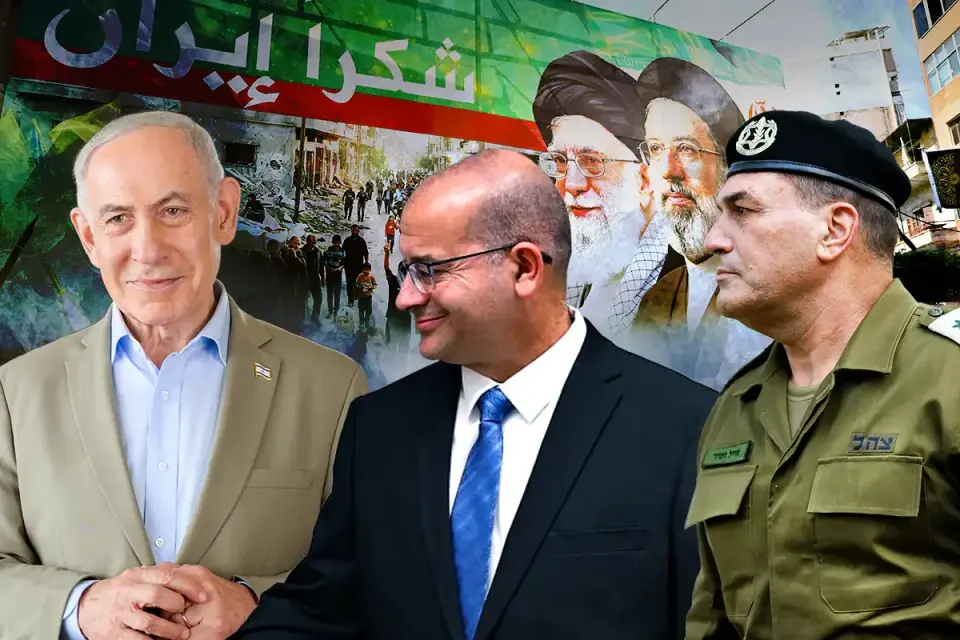
Israeli Prime Minister Benjamin Netanyahu reportedly pushed for a military operation against Iran ahead of national elections, facing resistance from the IDF chief. While Mossad supported the move, officials argue timing is driven by operational needs rather than politics. The US has deferred action until after its midterms, and Israel and the US are planning long-term strategies to weaken Iran’s regime.
Key points
- Netanyahu advocated for a swift strike on Iran, but IDF Chief Eyal Zamir opposed the plan, noting he was not informed in advance.
- Mossad Director Roman Gofman supported the operation, though sources warn it could reignite war with Iran.
- Senior military officials state that a large-scale offensive requires US coordination and a decision by President Trump, not just Israel.
- Trump has postponed action until after US midterms due to concerns over oil prices and political impact.
- Israel and the US are developing a plan to topple the Iranian regime, leveraging Iran’s economic crisis and military vulnerabilities.
Background
This tension follows earlier warnings by Netanyahu regarding Iranian threats, including a 2026 incident involving a Flydubai attack where he cited radicalization. It also follows a period of Israeli and US strikes on Iran in 2025, which Netanyahu previously described as a 'historic victory' that destroyed Iran’s nuclear enrichment capabilities.
How outlets are covering it
Israel Hayom emphasizes that the proposed operation is not a full-scale war but a targeted move driven by operational necessity, with security agencies broadly supporting continued pressure on Iran. The Guardian highlights Netanyahu’s use of fear-based rhetoric, including an AI-generated nuclear image, to influence voters, and notes that opposition leader Gadi Eisenkot accused Netanyahu of using the military for political survival. The Guardian also points out that Trump’s endorsement of Netanyahu had minimal impact on polls, with many Israelis skeptical of its influence.
Why it matters
The potential for a military strike on Iran could escalate regional tensions and impact global oil prices. The timing of such an action, especially near elections, raises questions about political motivations and the stability of Israeli governance. Additionally, the coordination between Israel and the US on long-term strategies to weaken Iran’s regime could have significant implications for regional security and international relations.
What to watch
Watch for any announcements from the VARASH committee or US-Israel coordination on Iran operations. Monitor polling data and election outcomes in Israel, as well as any shifts in US policy regarding Iran post-midterms. Keep an eye on Iran’s economic and military developments, as these could influence the timing and nature of any future strikes.
- New details emerge about attack Netanyahu planned against Iran www.israelhayom.com
- Netanyahu Pushed for Attack on Iran Ahead of Israeli Election, Officials Say The New York Times
- Analysis • Two paths to war with Iran loom over Israel's election Haaretz
- Netanyahu reportedly pressured military to attack Iran in run-up to election The Guardian
- Brazilian President Luiz Inacio Lula da Silva wins runoff election against Flavio Bolsonaro | LIVE BLOG i24NEWS
Want the full story? Read the original reporting
Read on www.israelhayom.com