
Netanyahu pushes for Iran strike amid US opposition and internal Israeli dissent
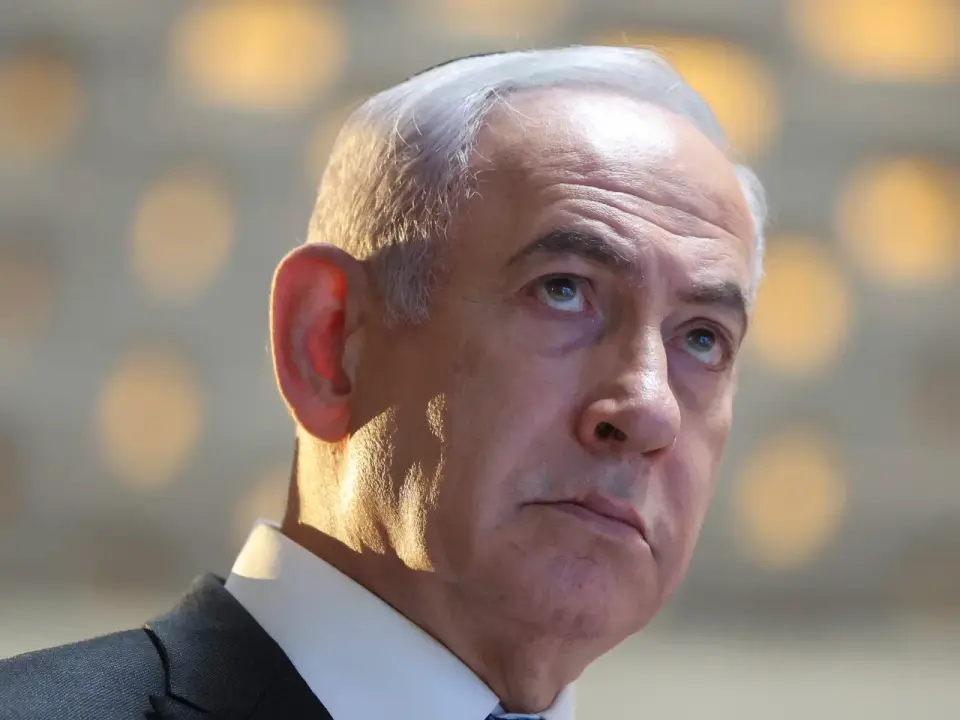
Israeli Prime Minister Benjamin Netanyahu is urging the US to resume military strikes on Iran, despite opposition from Washington, his own military chief, and domestic rivals. While Netanyahu’s caretaker government retains legal authority to act, US President Donald Trump favors diplomatic pressure and economic sanctions, citing advice from Gulf allies. Internal Israeli security officials are split, with the IDF chief opposing immediate action due to political instability, while intelligence chiefs support the move. The debate centers on whether the timing is driven by genuine security needs or political maneuvering to block the formation of a new government.
Key points
- Netanyahu’s caretaker government legally retains full authority to initiate military action, though the Supreme Court’s 'duty of restraint' principle discourages irreversible moves unless urgent.
- US President Donald Trump has rejected calls for renewed strikes, stating that military action is not necessary and that Gulf allies prefer a waiting period of economic pressure and diplomacy.
- IDF Chief of Staff Eyal Zamir opposes an immediate strike, arguing the threat is not urgent enough to justify action during a political transition, while Mossad and Shin Bet chiefs support the move.
- Opposition leader Gadi Eisenkot, tasked with forming a new government, has warned against using military action for political gain and demanded oversight of the caretaker government’s decisions.
- Netanyahu argues that only regime change in Iran can permanently eliminate the nuclear threat, while the US administration believes diplomatic solutions are still possible.
Background
This tension follows Israel’s October 27 parliamentary elections, where Netanyahu’s coalition lost its majority. Gadi Eisenkot has been tasked with forming a new government, a process that could take months. Previous caretaker governments, including Netanyahu’s in 2021, have launched military operations, but current debates highlight heightened concerns about political motivations. The US and Iran remain in contact, with Qatar mediating, while Trump’s administration has prioritized a naval blockade over large-scale military action.
How outlets are covering it
Al Jazeera emphasizes the legal and political constraints on Netanyahu’s caretaker government, noting that while he can legally act, the 'duty of restraint' and lack of US support create significant hurdles. Axios highlights the diplomatic dimension, reporting that Mossad chief Roman Gofman is in Washington to pressure the Trump administration, which has sided with Gulf allies in favoring economic pressure. The Times of Israel focuses on internal Israeli divisions, noting that Netanyahu and his appointees support immediate action, while IDF Chief Zamir opposes it, citing political risks. Ynetnews details the heated nature of Netanyahu-Trump communications, with Netanyahu pushing for regime change and Trump favoring diplomacy, though Netanyahu’s office denies reports of a 'shouting match.'
Why it matters
The potential resumption of war with Iran could destabilize the Middle East and disrupt global energy markets. It also tests the limits of caretaker government authority in Israel and the strength of US-Israel relations. If Netanyahu proceeds without US support, it could undermine the formation of a new Israeli government and provoke a broader regional conflict. The outcome will influence whether the US continues its diplomatic approach or shifts back to military escalation.
What to watch
Watch for further diplomatic moves by the US and Gulf allies to pressure Iran, as well as any public statements from Netanyahu or Eisenkot regarding the security situation. The formation of a new Israeli government is critical; if Eisenkot succeeds, he may reverse the current military posture. Additionally, monitor US-Iran negotiations mediated by Qatar, as any breakthrough could reduce the pressure for military action. The next few weeks will be crucial in determining whether the caretaker government takes irreversible steps or waits for a new government to form.
- Can Netanyahu launch a strike on Iran before he leaves? Al Jazeera
- Scoop: Israeli spy chief in D.C. as Netanyahu presses Trump to resume war Axios
- Report: Zamir alone as Netanyahu and his appointees all back immediate resumption of Iran war The Times of Israel
- ‘Shouting match from hell’: Trump, Netanyahu clash over Iran war Ynetnews
- Israel's Government in Transition: No Plans for Iran Strike but US CENTCOM Urges Prep for Renewed Fight CBN.com
Want the full story? Read the original reporting
Read on Al Jazeera