
China brokers Houthi truce, oil dips as US avoids Yemen front
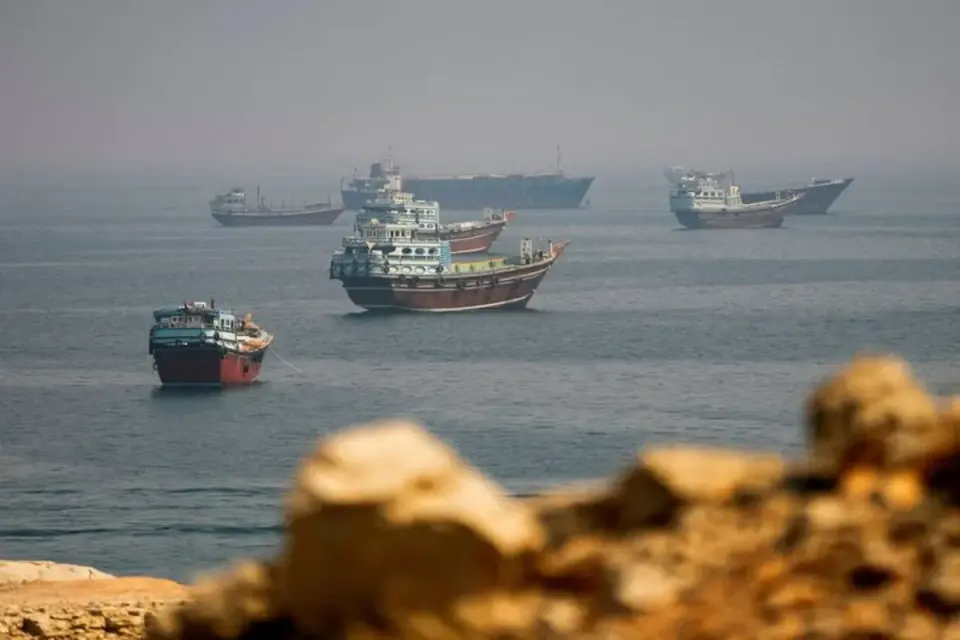
Oil prices fell after China reportedly pressured Iran to limit Houthi attacks on Saudi oil infrastructure. This diplomatic move follows a week of escalating Houthi strikes that threatened Saudi energy facilities and disrupted shipping through the Bab al-Mandeb strait. While the US declined direct military intervention in Yemen, citing resource constraints from the Iran conflict, Saudi Arabia is pursuing a new security strategy involving a 14-state maritime alliance to protect its oil exports.
Key points
- China asked Iran to restrain Houthi attacks on Saudi oil facilities, leading to a drop in oil prices.
- Houthis seized the coastal town of Dhubab and Perim Island, gaining control of the Bab al-Mandeb strait.
- US President Trump stated the Houthis are allowing ships to pass and refused to open a new military front in Yemen.
- Saudi Arabia announced a 14-state 'Multinational Defensive Maritime Alliance' to compensate for reduced US security guarantees.
- Saudi oil exports to Asia dropped from 3.4 million barrels per day in June to 128,000 in August before partially recovering.
Background
This development follows a series of Houthi escalations in September 2026, including strikes on Saudi Aramco facilities and a Red Sea pipeline. Previous coverage noted that these attacks pushed Brent crude near $97.40 and raised concerns about a protracted conflict threatening regional energy exports and foreign investment in Saudi Arabia.
How outlets are covering it
AP News highlights the market volatility caused by a week of Houthi attacks threatening Saudi oil. Al Jazeera provides a broader geopolitical analysis, arguing that the US is abandoning the traditional 'security-for-oil' bargain with Gulf states. Al Jazeera notes that while Trump claims the Houthis are cooperating, Saudi Arabia views this as a strategic retreat, prompting Riyadh to build independent defense capabilities and a new maritime alliance. The outlets differ on the immediate cause of the oil price drop: Yahoo Finance attributes it to Chinese diplomatic pressure on Iran, while Al Jazeera focuses on the structural shift in US security commitments.
Why it matters
The situation signals a potential end to the decades-old US-Gulf security-for-oil arrangement. If the US continues to prioritize the Strait of Hormuz over the Bab al-Mandeb, Gulf states may diversify their security partnerships, potentially leading to a more fragmented regional order. Furthermore, sustained disruptions to these critical chokepoints could trigger a global energy crisis, as nearly a quarter of global oil supplies pass through these two straits.
What to watch
Analysts are watching for the effectiveness of the new Saudi-led maritime alliance and whether the Chinese-brokered truce holds. Oil prices may remain volatile if the Houthis resume attacks or if the US-Iran conflict escalates further, depleting US military resources needed for regional defense.
- Oil pares losses as market weighs Saudi supply concerns, Middle East tensions Yahoo Finance
- Saudis Tell European Refiners They’ll Get No Crude Next Month Bloomberg.com
- A week after Houthis seized a Red Sea city, the Iranian-backed rebels eye the oil-rich east AP News
- ‘They called us’: Has Trump abandoned Bab al-Mandeb to the Houthis? Al Jazeera
- Oil Retreat Slows on Saudi Supply Concerns WSJ
Want the full story? Read the original reporting
Read on Yahoo Finance