
Pakistan’s Mediation Efforts Face Obstacles as US Weighs New Strikes on Iran
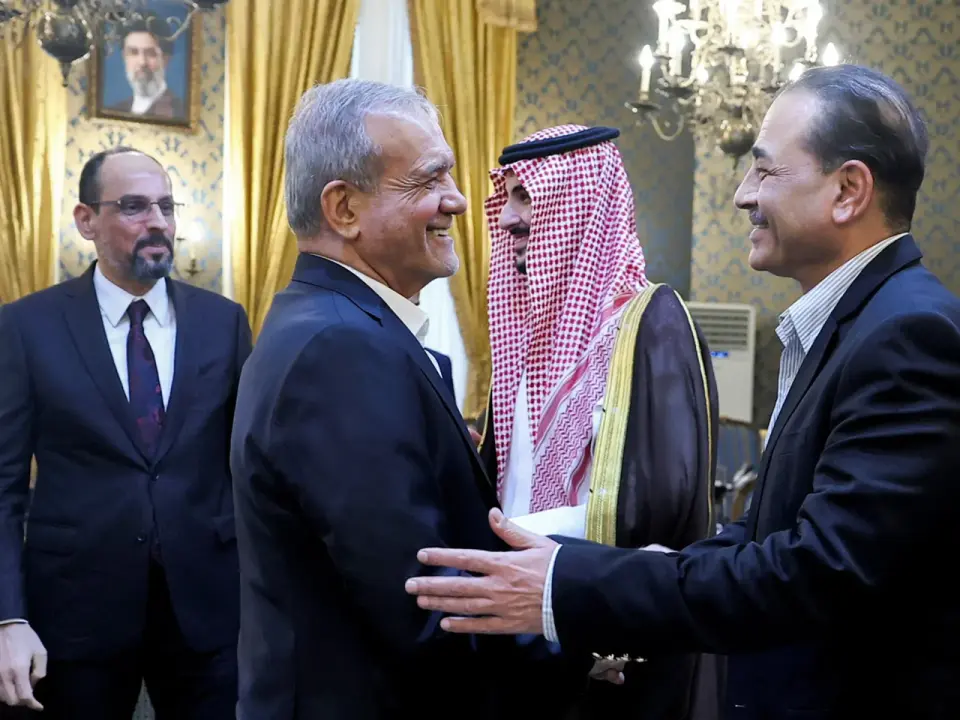
Pakistan’s military chief, Field Marshal Asim Munir, has visited Tehran twice this month to revive a ceasefire in the eight-month US-Iran war, describing the outlook as 'cautiously optimistic.' However, mediators face significant hurdles, including Iranian rejection of nuclear concessions, US preparations for potential new strikes, and warnings from Pakistan about 'spoilers' obstructing peace. Regional alliances are shifting, with Pakistan, Saudi Arabia, and Turkey strengthening their defense pact, while Iran insists on resolving security issues through regional actors rather than foreign intervention.
Key points
- Pakistan’s military spokesman, Lt. Gen. Ahmed Sharif Chaudhry, stated that the army is 'cautiously optimistic' about mediation efforts, citing positive signs from recent visits by Field Marshal Asim Munir to Tehran.
- Munir visited Tehran twice this month, most recently on October 26, alongside Saudi and Turkish officials, as part of efforts to revive the collapsed June ceasefire.
- Chaudhry warned of 'powerful spoilers and detractors' who believe the conflict serves their interests, though he did not name them, and declined to disclose the specifics of the Tehran talks or US involvement.
- Qatari mediators arrived in Tehran on October 30 to negotiate a revival of the ceasefire, following earlier rejections by Iran of Qatari peace drafts.
- Iran’s Supreme National Security Council secretary, Mohsen Rezaei, stated that regional security should be handled by regional countries without foreign intervention, while Pakistan’s Chaudhry suggested Iran could join the Mecca Joint Defence Agreement if it shares a vision for collective deterrence.
- The Mecca Joint Defence Agreement, signed by Pakistan, Saudi Arabia, and Turkey on August 7, has gained significance amid the Iran war, with Chaudhry confirming Pakistan’s commitment to defending Saudi Arabia and the holy sites of Mecca and Medina.
Background
The US-Iran war began in early 2026, with a ceasefire agreed in June but collapsing months later. Previous mediation efforts, including a $6 billion deal proposed by Qatar and Pakistan to freeze tensions in exchange for nuclear inspections, have stalled due to Iranian rejection of nuclear concessions and US preparations for potential new strikes. The conflict has also reignited Houthi attacks on Saudi Arabia, raising fears of a wider regional war.
How outlets are covering it
Al Jazeera emphasizes Pakistan’s 'cautious optimism' and the role of regional mediators, while highlighting warnings from Pakistan about 'spoilers' obstructing peace. The secondary source, Mepei, offers a more critical view, arguing that jingoistic statements from leaders of Israel, the US, Iran, and the Houthis suggest further destabilization. It notes that Iran’s seven-point de-escalation plan, including demands for sanctions relief and an end to US interference, has not been met, and that US and Israeli forces are preparing for a potential 'Epic Fury-2' strike. Mepei also highlights the impact of the conflict on global economies, citing closures of key straits and rising oil prices.
Why it matters
The outcome of these mediation efforts could determine whether the eight-month US-Iran war escalates further or moves toward a durable ceasefire. A failure to resolve the conflict could lead to renewed military strikes, increased oil prices, and a wider regional war involving Gulf states and Yemen. The shifting alliances, including the Mecca Joint Defence Agreement, also signal a realignment of regional power dynamics, with implications for global security and economic stability.
What to watch
Qatari mediators are in Tehran to negotiate a ceasefire revival, while Pakistan’s military chief continues to engage with Iranian and US officials. The US is weighing new strikes on Iran, with President Trump hinting at a potential 'Epic Fury-2' campaign. Iran has rejected nuclear concessions and demands sanctions relief, while regional powers, including Turkey, Egypt, and European nations, are pushing for diplomatic solutions. The November 3 US midterm elections may also influence Washington’s approach to the conflict.
- Pakistan army ‘cautiously optimistic’ about US-Iran mediation efforts Al Jazeera
- Iran war live: Pakistan ‘cautiously optimistic’ on Iran-US de-escalation Al Jazeera
- EXCLUSIVE: Pakistan military 'cautiously optimistic' on Iran-US mediation Reuters
- Pakistani military ‘cautiously optimistic’ on success of its Iran-US mediation The Times of Israel
- Epic Fury-2 Mepei
Want the full story? Read the original reporting
Read on Al Jazeera