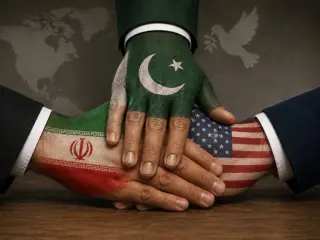
The U.S. and Iran are reportedly close to finalizing a ceasefire extension with Pakistan as mediator; Washington and Islamabad say the text is ready for signing, potentially electronically, but Iran has not confirmed a Sunday deal and remains doubtful about it.
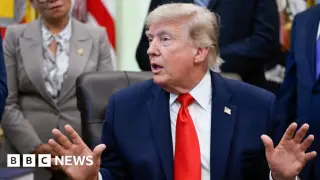
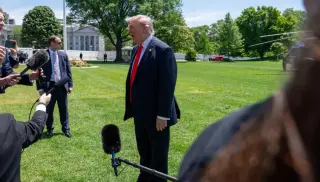
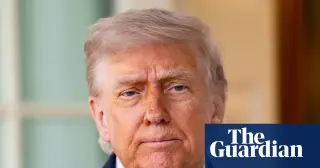
President Trump says a US-Iran peace deal is scheduled to be signed on Sunday, with Pakistan saying signing could occur within 24 hours, while Iran warns the exact date remains uncertain; he also pledges the Strait of Hormuz will be open after signing and notes forthcoming talks on Iran’s nuclear program, with US officials saying benefits depend on Tehran meeting its obligations.
Pakistan's prime minister said a peace deal between the United States and Iran is likely to be finalised within the next 24 hours, with electronic signing and follow-up technical talks planned. The claim comes as Islamabad mediates between Washington and Tehran amid ongoing tensions, drone-related incidents near the Strait of Hormuz, and conflicting public accounts of the draft terms between the two sides.
Pakistan, leading mediation with Qatar, says a final, agreed text for a US-Iran peace deal has been reached and signing is expected in the coming days; a senior US official says the deal would reopen the Strait of Hormuz, lift the US blockade, and begin dismantling Iran’s nuclear program with enriched material returned to the US, followed by a 60-day technical negotiation. Iran’s foreign minister urged patience as authorities finalize consensus, while Trump criticized leaks and markets reacted to the news.
Iran says deep, unresolved gaps persist in talks with Washington even as Pakistan-led mediation intensifies, insisting on ending the war and stabilizing the Strait of Hormuz. Washington says some progress is possible but major differences remain, notably over uranium enrichment and control of Hormuz. The diplomacy unfolds amid regional flashpoints in Gaza and Lebanon and rising oil prices, complicating efforts to reach a peace agreement.
A claimed draft accord mediated by Pakistan between the US and Iran envisions an immediate ceasefire, non-targeting of infrastructure, guaranteed freedom of navigation with a joint monitoring mechanism, gradual sanctions relief in exchange for Iran’s compliance, and starting talks on outstanding issues within seven days; the claim is unconfirmed, but markets reacted positively to the reported development.
Pakistan says the US and Iran are close to a basic interim deal to end the war and reopen the Hormuz Strait, with a two-phase framework: an immediate ceasefire and shipping resumption, followed by talks on Iran’s nuclear program; Tehran would demand unfrozen assets and a longer enrichment moratorium, while Washington seeks broader settlement, but gaps remain and the risk of renewed fighting persists.
President Trump rejected Iran's latest proposal to end the war, citing fractured leadership in Tehran, as negotiations continue through Pakistani mediators and a fragile ceasefire holds amid tensions over the Strait of Hormuz.
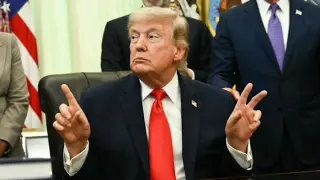
President Trump announced an open-ended extension of the Iran ceasefire after a White House meeting, citing a “fractured” Iranian government and asking Iran’s leaders to present a unified proposal. The move avoids a resumption of war and maintains the naval blockade, while negotiations in Islamabad with Pakistani mediators continue to hinge on a response from Iran’s Supreme Leader and internal Iranian factions. Iran’s side pushed back, saying the extension is meaningless and warning of a potential retaliatory strike, keeping the potential for further conflict on the table.
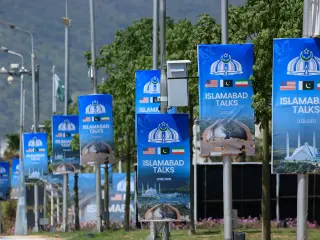
The United States and Iran are slated for a new round of ceasefire talks in Islamabad, with Pakistan mediating, as a fragile two-week truce nears expiration and both sides signal hard-line positions amid rising regional tensions.
Iran says it will not send negotiators to Islamabad for a new round of U.S.-Iran talks, accusing Washington of violating the ceasefire, while Pakistan presses for multi-day negotiations and a possible MoU to extend the ceasefire. Tehran’s 10-point proposal remains the framework for talks, and a U.S. delegation is headed to Pakistan, leaving the path forward uncertain and contingent on Tehran’s participation.
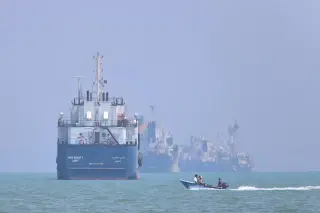
Iran says it will keep restricting ships through the Strait of Hormuz as long as the U.S. blockade on Iranian ports remains in place, complicating mediators’ efforts to extend a two-week ceasefire. With roughly one-fifth of global oil trade passing through the strait, the move risks deepening the energy crisis and sparking renewed fighting, even as Pakistan-led talks seek a new round of negotiations.
Trump said US-Iran peace talks could resume in Islamabad within two days, praising Pakistan’s army chief as mediator; Islamabad is rushing to schedule a meeting before the two-week ceasefire ends, with discussions centered on Iran’s uranium enrichment moratorium and highly enriched uranium stockpiles, set against a backdrop of a US naval blockade and Hormuz closure that have pushed oil prices higher.
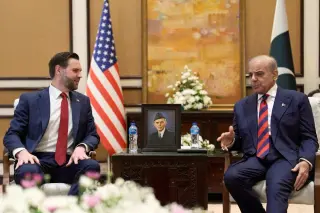
Direct, face-to-face talks between the United States and Iran began in Islamabad as part of a three-way process with Pakistan to secure a durable ceasefire, led for the U.S. by Vice President JD Vance and for Iran by Parliament Speaker Mohammad Bagher Qalibaf. Negotiators are addressing Iran’s redlines, compensation for damage, and steps toward reopening the Strait of Hormuz, all amid broader regional tensions with Lebanon and Israel and ongoing energy-market jitters.
Pakistan hosts proximity talks in Islamabad to keep US-Iran negotiations alive after a Pakistan-mediated two-week ceasefire, aiming for a modest outcome that extends dialogue rather than finalizing a deal. The US team is led by Vice President JD Vance and includes Steve Witkoff and Jared Kushner; Iran’s delegation is expected to be led by Abbas Araghchi and Mohammad Bagher Ghalibaf, with Pakistani mediators shuttling between rooms. While signs point to de-escalation, major sticking points remain over Iran’s nuclear enrichment, sanctions relief, and guarantees related to the Strait of Hormuz, set against broader regional tensions including Lebanon. The goal of the first round is to lay groundwork for continued negotiations rather than a breakthrough.