
Qatar Mediator Seeks Two-Day Ceasefire as U.S. Officials Debate Iran Deal
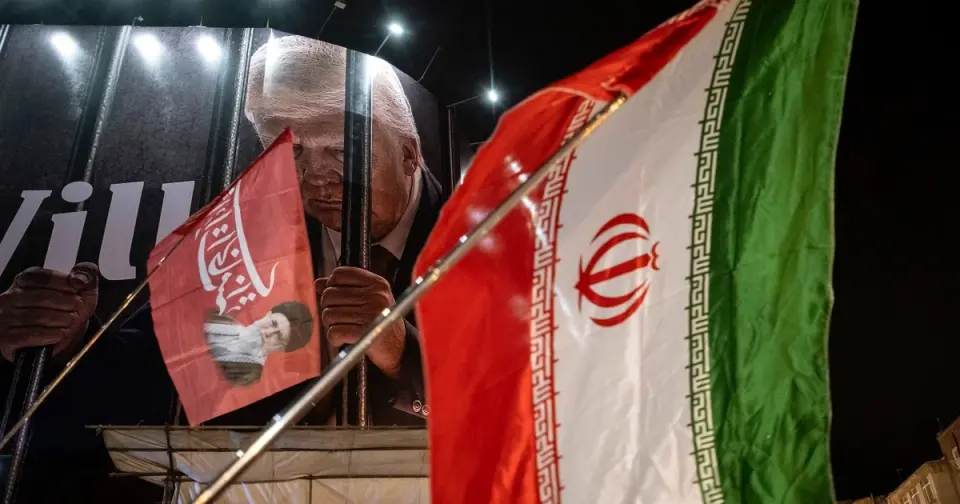
Qatari Prime Minister Sheikh Mohammed bin Abdulrahman Al Thani is meeting U.S. President Donald Trump and Vice President JD Vance in Washington to discuss a two-day proposal to end the eight-month-old conflict with Iran. The plan involves lifting the U.S. naval blockade and unfreezing $8 billion in Iranian assets in exchange for Iran reopening the Strait of Hormuz and halting attacks on tankers. While Trump has expressed openness to a deal, Secretary of State Marco Rubio and other officials have rejected the terms as unrealistic, and military strikes continue.
Key points
- Qatar’s prime minister, who serves as the key mediator, is in Washington for closed-door talks with Trump and Vance to bridge the gap between the two sides.
- Iran’s proposal, which it claims can be executed in two days, requires the U.S. to end its naval blockade and lift some sanctions in exchange for Tehran stopping its blockade of the Strait of Hormuz.
- According to Israel Hayom, the deal would unfreeze $8 billion in Iranian funds held in Qatar, and Iran has reportedly dropped its demand to collect transit fees from vessels passing through the Strait.
- Secretary of State Marco Rubio described Iran’s conditions as outrageous and unrealistic, while Trump told CNN that resuming strikes is highly unlikely if a strong agreement is signed.
- The U.S. struck Iran’s Qeshm island overnight, and Iran attacked tankers in the Gulf, while Yemen’s Houthi allies struck Saudi Arabia, indicating the conflict remains active despite diplomatic efforts.
- Vice President JD Vance is pushing for a deal to end the war early next year, citing the need to rebuild public trust after the Republican Party’s poor showing in the midterm elections.
Background
The conflict, which began on February 28, 2026, has lasted over eight months and triggered a global energy shortage. Previous mediation efforts, including a memorandum of understanding in May, collapsed after Iranian attacks on oil tankers. In early November, a draft proposal circulated that briefly lowered oil prices, but talks stalled after the U.S. midterm elections. Iran has also submitted a new nuclear proposal demanding seven concessions before talks can resume.
How outlets are covering it
Outlets highlight a sharp divide within the U.S. administration. Axios and NBC News report that Trump is willing to let diplomacy play out but remains skeptical, while Rubio has publicly dismissed Iran’s demands as ridiculous. Israel Hayom notes that Treasury Secretary Scott Bessent, Commerce Secretary Howard Lutnick, and Secretary of War Pete Hegseth oppose the deal, arguing it would save the Iranian regime at the last minute. Al Jazeera emphasizes the regional instability, noting that Turkey’s intelligence chief warned that a lack of a deal could trigger a broader regional conflict. Iranian officials, per Al Jazeera, believe their military strength, not U.S. political pressure, is the reason for the current diplomatic push.
Why it matters
The outcome of these talks will determine whether the eight-month conflict escalates into a full-scale war or moves toward a fragile ceasefire. A deal could stabilize global energy markets and reduce inflation, while a failure could lead to renewed strikes on Iranian infrastructure, including 38 bridges identified by the U.S. military. The political fallout from the midterm elections has intensified pressure on the administration to end the war, but internal opposition to a quick deal remains strong.
What to watch
The White House is expected to respond to Iran’s two-day proposal in the coming days. If no deal is reached, the U.S. may resume strikes on Iranian infrastructure, while Iran could continue attacks on tankers in the Strait of Hormuz. Regional mediators, including Qatar, Turkey, and Pakistan, will continue to facilitate indirect talks between the two sides.
- Iran defends 2-day proposal for peace talks after U.S. rejects ‘outrageous’ conditions NBC News
- Iran war live: Diplomacy intensifies as Qatar PM to meet Trump and Vance Al Jazeera
- Trump to meet Iran war mediator Qatar, no imminent deal seen to end the war Reuters
- Trump to meet Qatari prime minister about mediation efforts with Iran Axios
- $8 billion lifeline? Iranian deal set to land on Trump's desk www.israelhayom.com
Want the full story? Read the original reporting
Read on NBC News