
Qatar mediators push for last-minute US-Iran deal to avert post-midterm war
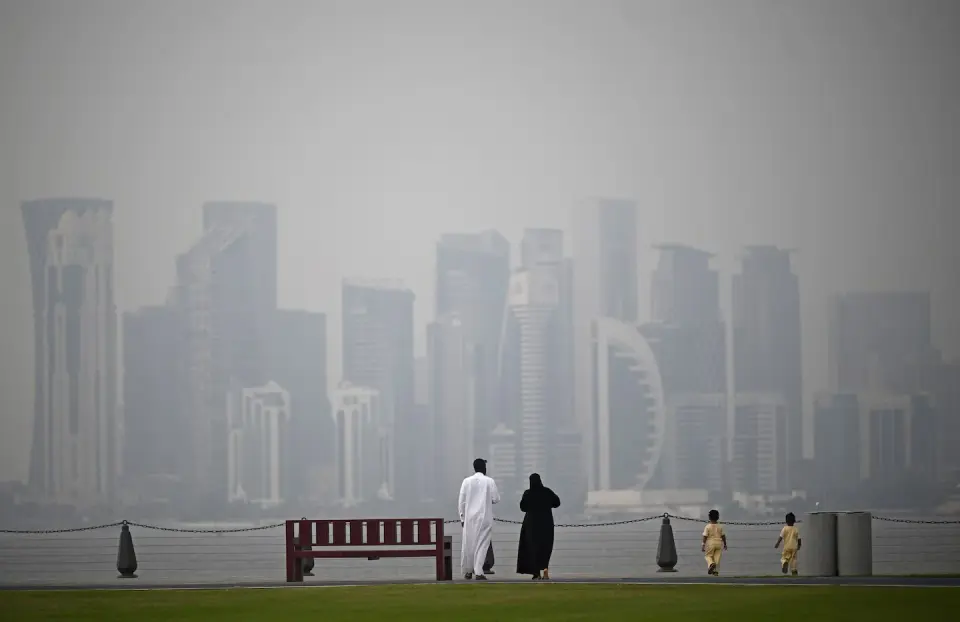
Qatari mediators held over 12 hours of talks in Tehran on Friday, aiming to restart direct US-Iran negotiations before the US midterm elections. The goal is to prevent a potential military escalation that could devastate the Persian Gulf. While diplomatic sources report 'positive progress,' key obstacles remain: the US demands nuclear concessions, while Iran insists on the lifting of naval blockades and the release of frozen funds. Internal divisions within the Trump administration and pressure from regional allies like Saudi Arabia and Turkey are influencing the timeline for a potential deal.
Key points
- Qatari mediators conducted marathon talks in Tehran on Friday, continuing in Doha on Saturday, to facilitate a deal between the US and Iran.
- The primary objective is to resume direct negotiations and avoid a military operation that could trigger retaliatory strikes against Gulf states.
- Core disagreements persist: the US administration demands nuclear concessions, while Iran requires the lifting of naval blockades, release of frozen assets, and permission to sell oil.
- Qatar is proposing a confidence-building measure where Iran allows UN inspectors to visit bombed nuclear sites in exchange for US sanctions relief.
- The Trump administration is divided, with Defense Secretary Pete Hegseth and Secretary of State Marco Rubio favoring further strikes, while VP JD Vance and envoys Steve Witkoff and Jared Kushner support negotiations.
- Regional leaders, including those from Saudi Arabia and Turkey, are urging the US to allow more time for diplomacy, warning that a post-midterm military strike could lead to massive regional destruction.
Background
This diplomatic push follows a period of heightened regional instability, including Houthi attacks on Saudi infrastructure in October 2026 and ongoing concerns over oil prices and geopolitical risk. Previous US House votes in September 2026 sought to end the Iran conflict, citing significant financial costs and depleted missile stockpiles. The current negotiations occur against a backdrop of thin oil inventories and elevated shipping costs, with Brent crude trading near $108.82 per barrel in late October 2026.
How outlets are covering it
The Washington Post highlights the broader regional scramble to prevent war, emphasizing the arrival of Qatari mediators in Tehran. Axios provides a more granular view of the internal US dynamics, detailing the split between hawks like Hegseth and Rubio and doves like Vance and Kushner. Axios also notes the specific leverage points, such as the UN inspection proposal, and the influence of regional allies. Both sources agree on the urgency driven by the upcoming US midterm elections, but Axios offers more detail on the specific demands and the 'Operation Economic Outcast' pressure campaign led by Treasury Secretary Scott Bessent.
Why it matters
A failure to reach a deal could lead to a joint US-Israel military operation against Iran, potentially triggering retaliatory strikes on oil and gas facilities in Saudi Arabia, the UAE, Qatar, Kuwait, and Bahrain. This would exacerbate the global energy crisis and destabilize the Persian Gulf. The timing is critical, as regional leaders fear that a Republican loss in the midterms might embolden President Trump to take a more aggressive military stance to project strength.
What to watch
Talks will continue in Doha on Saturday. The outcome will depend on whether Iran agrees to the UN inspection proposal and the US agrees to reciprocal sanctions relief. The US midterm election results may also influence the timeline, with some officials suggesting a Republican loss could prompt a more aggressive US response, while others argue the election will not factor into the decision-making process.
- Persian Gulf scrambling to prevent Iran war from again hitting its doorstep The Washington Post
- Qataris hold marathon talks in Tehran in bid for U.S.-Iran deal before midterms Axios
- Qatari mediators return to Tehran to push for US-Iran deal, official says Reuters
- Diplomacy or war? Qatar signals Iran breakthrough as US warns Gulf states to prepare for war Ynetnews
- Report: Draft US-Iran framework outlines possible transfer of enriched uranium to 3rd country | LIVE BLOG i24NEWS
Want the full story? Read the original reporting
Read on The Washington Post