
Ratcliffe’s Moscow Visit Fails to Curb Putin’s Escalation
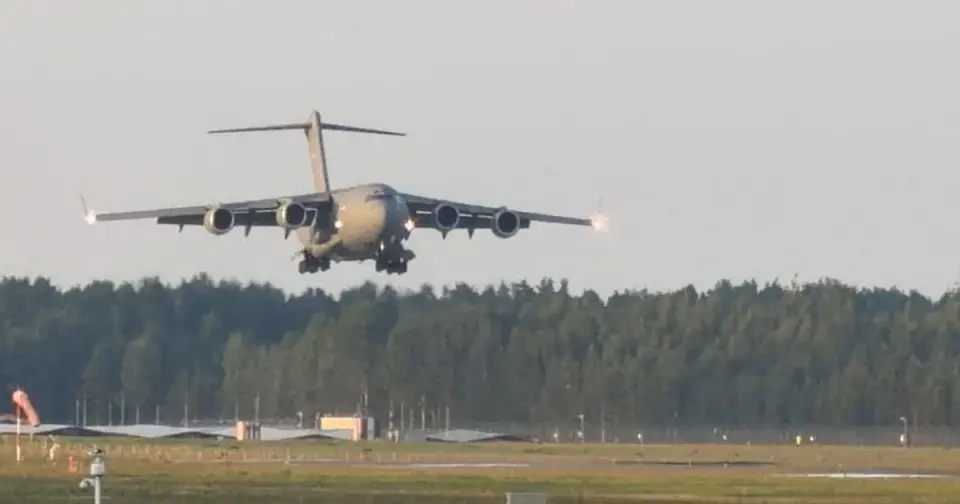
CIA Director John Ratcliffe’s unannounced trip to Moscow failed to deter Russian aggression, as Vladimir Putin intensified bombing campaigns in Ukraine and escalated tensions with NATO allies. While Washington sought to manage diplomatic and domestic pressures, Moscow signaled a shift toward military victory over negotiation.
Key points
- Ratcliffe visited Moscow without meeting Putin, a move described by Trump as 'semi-routine' but viewed by analysts as a failed deterrence effort.
- Putin intensified strikes on Ukrainian energy infrastructure and air defenses, aiming to force capitulation before winter.
- The visit occurred amid rising tensions, including Russian threats against the UK and suspected sabotage in European countries.
- Zelenskyy hinted that September could bring significant changes, though the nature of these changes remains unclear.
- European allies expressed alarm over US-Russia normalization, fearing it emboldens Moscow against NATO commitments.
Background
This visit marks the first CIA director trip to Moscow since Bill Burns’s 2021 visit, which failed to deter the invasion of Ukraine. Recent weeks saw heightened tensions, including Russian nuclear missile tests and Zelenskyy’s order for increased drone strikes. The archive notes that the trip was initially unannounced, with flight-tracking data revealing the movement of a US government plane.
How outlets are covering it
Outlets disagree on the trip’s primary purpose: The New York Times reported Ratcliffe urged Russia to cut a deal, while NBC News focused on warnings regarding Iran intelligence sharing. The Washington Post emphasized the trip’s failure, noting Putin’s subsequent escalation. CFR analysis suggests the visit was partly about domestic politics and calming European allies, whereas Al Jazeera highlights the broader context of stalled peace talks and US-Russia contact normalization. European leaders, including Poland and the EU, criticized the G20 inclusion of Russia, viewing it as a dangerous normalization.
Why it matters
The failed deterrence signals a potential shift in Russian strategy toward military victory, increasing risks for NATO cohesion and European security. It also highlights the complex interplay between US domestic politics, allied concerns, and the ongoing Ukraine war, with implications for global stability and the effectiveness of diplomatic channels.
What to watch
Expect continued Russian strikes on Ukrainian infrastructure and potential NATO tensions if Russia tests Article 5. Diplomatic efforts may stall, with Zelenskyy’s 'September' comment suggesting possible escalations or breakthroughs. US domestic politics, including sanctions legislation, may influence future US-Russia interactions.
- Making Sense of John Ratcliffe’s Trip to Moscow Council on Foreign Relations
- Is Trump wooing Russia again – and why? Al Jazeera
- CIA Chief Was in Moscow to Maintain Intel Ties, Rubio Says Bloomberg.com
- After CIA director’s visit to Moscow, Putin escalates Ukraine strikes The Washington Post
- Is the CIA's Moscow visit a sign of a coming Russian provocation in the Baltics? The Kyiv Independent
Want the full story? Read the original reporting
Read on Council on Foreign Relations