
Report Exposes State-Sponsored North Korean Forced Labor Network in Russia
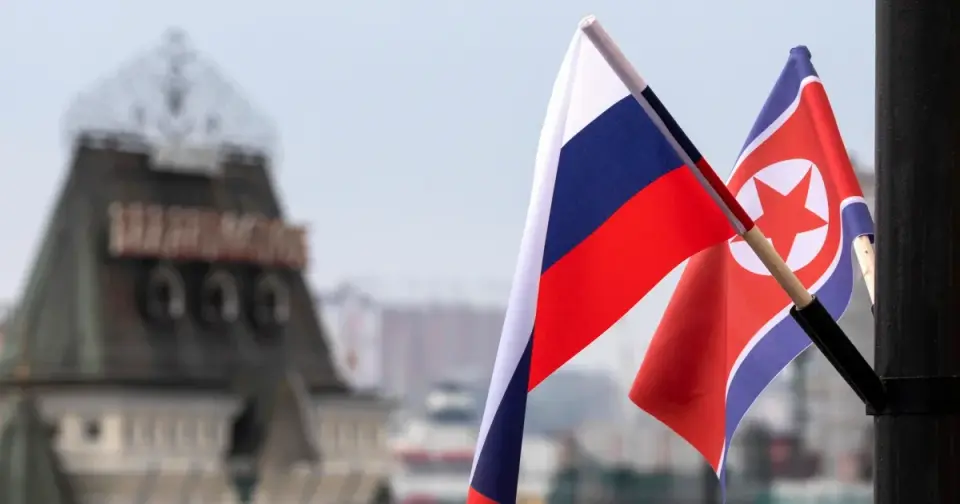
A new report by Global Rights Compliance (GRC) reveals an organized network of Russian brokers facilitating the forced labor of North Korean workers in Russia. The workers, entering on student visas to evade UN sanctions, are placed in factories supporting Russia's war economy, including military rations and defense supply chains. Pyongyang confiscates the majority of their wages to fund its missile program, while Moscow gains cheap labor to sustain its industrial output amid the Ukraine conflict.
Key points
- Global Rights Compliance (GRC) identified a broker network run by Moscow-based businessman Vladimir Sokolov, who is now subject to EU sanctions.
- North Korean workers enter Russia on student visas, a loophole used to bypass UN Security Council resolutions banning the employment of North Korean laborers abroad.
- Workers are placed in factories producing military rations, agricultural goods, and defense-related items, with some sites linked to Russia's war effort in Ukraine.
- The North Korean regime retains up to 90% of the workers' wages, using the funds to finance its ballistic missile and nuclear programs.
- Workers face coercive conditions, including 12-hour shifts, seizure of documents, and threats of retribution against their families if they attempt to escape or complain.
Background
This development follows a series of reports in 2026 detailing the deepening military and economic ties between North Korea and Russia. Previous coverage highlighted the deployment of over 10,000 North Korean troops to fight alongside Russian forces in Ukraine, as well as the transfer of weapons and drone technology. The current report adds a new dimension to this partnership, revealing how labor exploitation serves as a financial lifeline for Pyongyang and a workforce solution for Moscow, violating international sanctions regimes established since 2006.
How outlets are covering it
All four sources (NBC News, Financial Times, ABC News, and Al Jazeera) agree on the core findings of the GRC report, including the use of student visas and the involvement of Vladimir Sokolov. However, they differ in emphasis: the Financial Times highlights the specific corporate structures, such as the 'Black Horse' group and specific contracts like the $133,800 agricultural deal, while ABC News focuses on the human rights aspect, describing the workers as 'commodities' and emphasizing the 'normalization of slave labor.' NBC News and Al Jazeera provide a broader overview of the sanctions evasion and the geopolitical implications. The report's legal adviser, Elise Lauriot Prevost, frames the issue as a 'dangerous convergence' of military ambitions, whereas GRC investigator Dylan Carter stresses the financial exploitation of the workers. The Russian and North Korean governments have not responded to requests for comment, though a figure associated with the network denied the allegations, claiming the workers were students undergoing 'practical training.'
Why it matters
This report exposes a critical mechanism through which North Korea and Russia circumvent international sanctions, directly linking labor exploitation to the funding of nuclear weapons and the sustenance of the war in Ukraine. It highlights the failure of UN enforcement mechanisms and the deepening strategic alliance between the two regimes, which has significant implications for global security and human rights. The findings may prompt further international pressure and sanctions against individuals and entities involved in the labor pipeline.
What to watch
The European Union has already sanctioned Vladimir Sokolov and associated entities, and further actions may follow from other international bodies. The report may lead to increased scrutiny of Russian migration laws and the use of student visas for labor. North Korea and Russia are likely to continue denying the allegations, but the detailed evidence provided by GRC, including undercover investigations and open-source data, makes it difficult to dismiss. The situation may also influence diplomatic relations between South Korea and Ukraine, which have already strained over the handling of North Korean prisoners of war.
- Some North Korean workers sent to Russia are helping Ukraine war effort, report says NBC News
- North Korean labour advertised online to Russian factories Financial Times
- North Korean workers sold into Russia then stripped of wages, report finds ABC News & Headlines – Australian Broadcasting Corporation
- North Koreans being recruited into forced labour in Russia, report says Al Jazeera
- Rights Group Uncovers North Korean Forced Labor Network in Russia The Moscow Times
Want the full story? Read the original reporting
Read on NBC News