
Iran’s Security Chief Sets Four Conditions for US Deal Amid Economic Squeeze
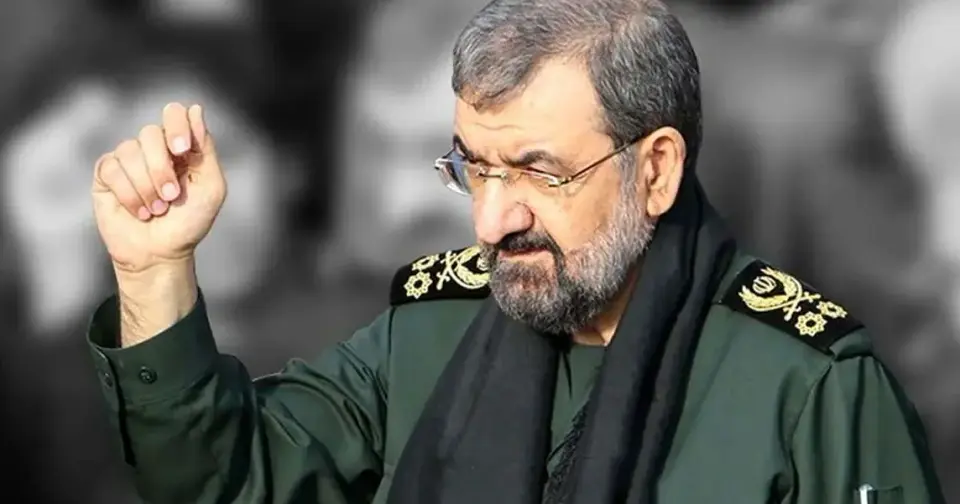
Mohsen Rezaei, Iran’s new Supreme National Security Council secretary, outlined four core demands for a US agreement: ending regional conflict, lifting the port blockade, compensation, and sanctions relief. This marks a tactical shift from his previous hardline 'offensive doctrine' stance, suggesting Tehran is now negotiating from a position of strength rather than rejecting dialogue outright. While Rezaei maintains that Iran has broken the maritime blockade and exported oil, US Central Command denies this, stating zero barrels have left Iranian shores since mid-July. The move coincides with Washington’s 'Economic D-Day' campaign, which targets Iranian financial networks through secondary sanctions on entities like Banque Misr’s UAE branches. Despite these pressures, Iranian diplomats, including ambassador Majid Nili, reaffirm readiness for dialogue based on 'mutual respect,' though market analysts note low probability of near-term meetings in the UAE.
Key points
- Rezaei’s four conditions include ending the regional war, lifting the blockade of Iranian ports, compensation, and sanctions relief.
- Rezaei claims Iran exported 70-80 million barrels of oil during the ceasefire, but US Central Command states zero oil has been exported since the naval blockade resumed in mid-July.
- The US Treasury proposed barring Banque Misr’s six UAE branches from US financial access, citing $1.8 billion in transactions linked to Iran’s shadow-banking networks.
- Iranian ambassador Majid Nili stated Tehran is prepared for dialogue with the US based on 'mutual respect,' despite ongoing military tensions.
- Rezaei’s shift from advocating war to defining deal terms is seen as a tactical change rather than an ideological pivot, mirroring Trump’s transactional approach to the conflict.
Background
Rezaei’s appointment as SNSC secretary in August 2026 followed a broader reshuffle of Iran’s security elite, elevating veteran hardliners after wartime losses. This followed earlier tensions in July 2026, where Iran warned of potential fuel price hikes and paused US strikes amid de-escalation deliberations. The current diplomatic maneuvering occurs against a backdrop of previous failed attempts to revive a June MoU and ongoing economic pressures from US sanctions.
How outlets are covering it
Iran International frames Rezaei’s conditions as a tactical shift, suggesting he is now defining the 'price' of a deal rather than rejecting it, while noting his hardline ideology remains intact. Middle East Eye and Crypto Briefing emphasize Iran’s stated readiness for 'equal' dialogue, with the latter noting market skepticism regarding near-term meetings. The Sunday Guardian highlights Iran’s assertion that Europe must accept the reality of a 'strong Iran,' reflecting a more confrontational tone. US sources, including Central Command and the Treasury, counter Iran’s claims of successful oil exports and emphasize the severity of economic sanctions, describing the Banque Misr action as a key step in cutting off Tehran’s financial lifelines.
Why it matters
Rezaei’s conditions signal a potential opening for negotiations, but the stark contrast between Iranian claims of economic resilience and US assertions of total blockade highlights the fragility of any deal. The US 'Economic D-Day' strategy aims to force capitulation by targeting middlemen and financial channels, while Iran’s internal debate over austerity measures reveals the domestic costs of prolonged economic warfare. This dynamic could determine whether the conflict escalates further or moves toward a negotiated settlement, with significant implications for global energy markets and regional stability.
What to watch
Watch for US Treasury Secretary Scott Bessent’s upcoming G20 discussions on Iran sanctions and any response from the UAE regarding the Banque Misr restrictions. Monitor Iran’s oil export data to verify Rezaei’s claims against US Central Command’s denial. Track diplomatic movements, particularly any shifts in the stance of mediators like Pakistan and Oman, and observe if Rezaei’s conditions are formally adopted as a negotiating mandate by the Supreme Leader.
- War or deal? Rezaei begins to define Iran’s price Iran International
- Tehran prepared to engage with talks as equal partners, says Iran envoy Middle East Eye
- Iran ready for equal dialogue with US, envoy states amid nuclear tensions Crypto Briefing
- US-Israel-Iran War Live News: Iranian Ambassador Majid Nili Stated to Germany that Europe Must Accept Reality of ‘Strong Iran’ Amid Ongoing Military Tensions Involving Iran, US, Israel The Sunday Guardian
Want the full story? Read the original reporting
Read on Iran International