
Russia Revives 1997 NATO Pullback Demands in Abu Dhabi Peace Talks
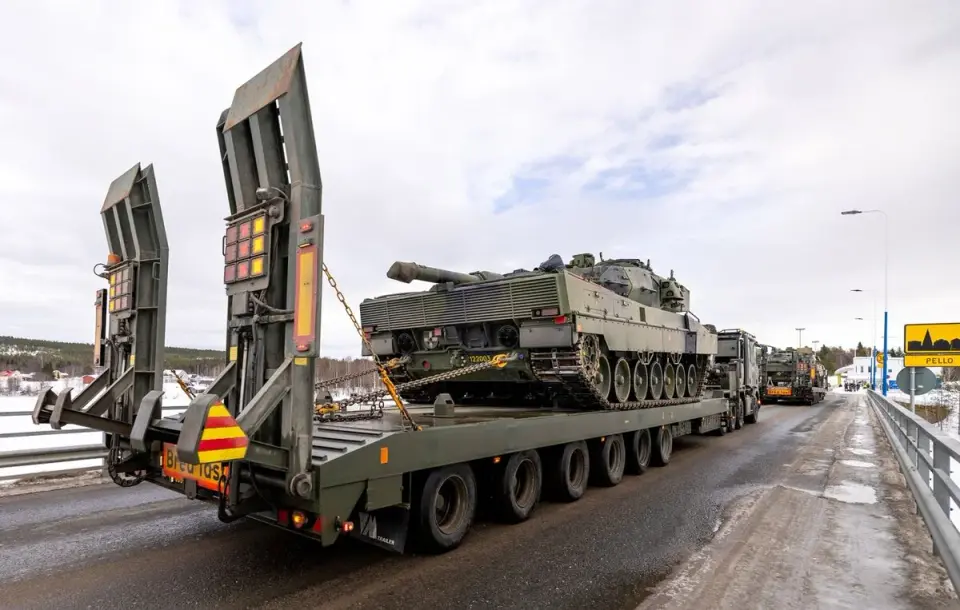
Russian negotiators have revived pre-invasion demands requiring NATO to withdraw troops to 1997 positions, a stance European and US officials describe as non-negotiable and a sign that Moscow is not seeking genuine peace.
Key points
- Russian officials circulated a document in Abu Dhabi negotiations demanding NATO retreat to 1997 borders, mirroring pre-2022 invasion positions.
- Finnish Defense Minister Antti Häkkänen stated that such demands are not negotiable and serve Russian interests at the expense of European security.
- US Senator Tom Cotton called further talks a farce, arguing Putin will only stop the war when he realizes he cannot win.
- European leaders insist a ceasefire must precede any discussion of broader security architecture, rejecting Moscow's attempt to link the two.
- US envoys Jared Kushner and Steve Witkoff are engaged in closed-door talks with Russian representatives to address these security issues.
Background
This development follows recent reports that Russia’s informal peace plan includes demands for Finland to leave NATO and bans on military bases in Baltic states. Earlier this week, European leaders in Dublin rejected Moscow’s push to renegotiate European security architecture before a ceasefire is achieved. Additionally, tensions in the Baltic region have escalated with recent Ukrainian drone strikes on Russian naval assets near the Finnish coast.
How outlets are covering it
The New York Times highlights that Moscow’s current demands are nearly identical to those issued two months before the 2022 invasion, suggesting a hard-line strategy to secure a larger victory. Ukrainian media, citing US Senator Tom Cotton, frames the move as proof that Putin is not serious about negotiated peace, labeling further talks a farce. Finnish officials, represented by Defense Minister Häkkänen, emphasize that such demands are a test of Western resolve and are fundamentally non-negotiable. EU foreign policy chief Kaja Kallas views these demands as a tactic to derail peace talks and weaken Europe’s position, insisting that a ceasefire must come first.
Why it matters
The revival of pre-invasion security demands threatens to collapse ongoing peace negotiations, potentially prolonging the war and deepening divisions between the US, Europe, and Russia. It also raises questions about the viability of US-led mediation efforts if core European security concerns remain unresolved.
What to watch
US envoys are expected to continue closed-door negotiations with Russian officials in Abu Dhabi, while European leaders prepare to join subsequent rounds of talks. The outcome will likely hinge on whether Moscow softens its stance on NATO presence or if Western nations maintain their refusal to negotiate security architecture without a ceasefire.
- Russian Demands of NATO Pullback Are Non-Starter, Finland Says Bloomberg
- Russia Revives Demand That NATO Retrench to Secure Ukraine Deal The New York Times
- US Senate reacts to Russia's demand for NATO to withdraw troops Українська правда
- Russian diplomat says Moscow could conclude non-aggression pacts with NATO member states Reuters
- Report: Russia Demands Finland Leave NATO i24NEWS
Want the full story? Read the original reporting
Read on Bloomberg