
Russia Shifts to Covert Coercion as Recruitment Crisis Deepens
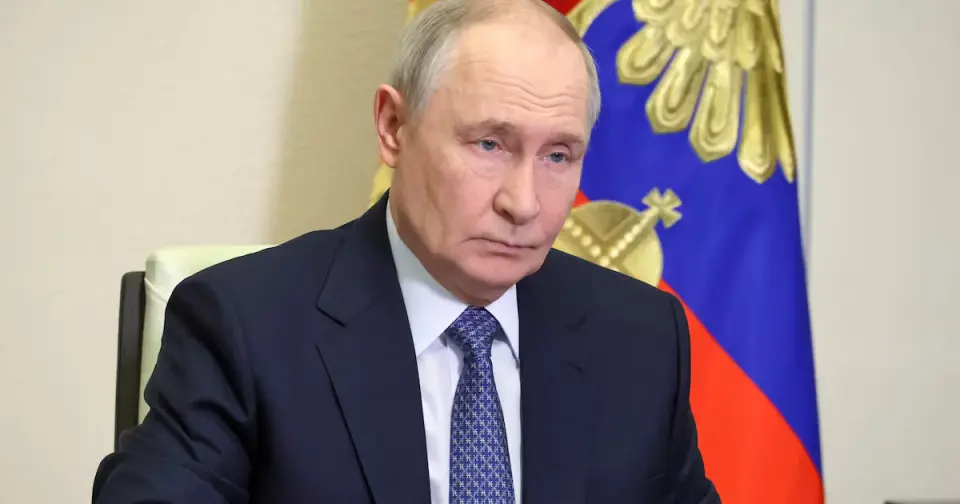
Russian authorities are increasingly using deceptive and coercive tactics to recruit soldiers for the war in Ukraine, targeting vulnerable men with health issues or debt. This shift from voluntary financial incentives to forced enlistment aims to replenish troops without triggering a mass public backlash, as reported by CNN and The Daily Beast.
Key points
- Recruiters in western Russia and the Penza region are targeting men with alcoholism, vascular problems, or financial debt, often in civilian clothes.
- Victims report being tricked into signing documents they believed were notifications, which were actually military contracts, leading to their disappearance and subsequent status as missing in action.
- Regional officials in Ryazan offer financial bonuses ranging from $590 to $3,500 for successful enlistments, creating incentives for 'bounty hunter' recruitment practices.
- The Russian Ministry of Defense denies forced recruitment, labeling such claims as fake, while military prosecutors often assert that enlistments were voluntary despite family appeals.
- Legal experts describe this as a 'creeping mobilization' designed to avoid the social unrest caused by the 2022 nationwide call-up.
Background
This development follows a period of intense escalation in the Russia-Ukraine conflict, including recent Russian strikes on civilian infrastructure in October 2026. The current recruitment crisis occurs amid a four-and-a-half-year war, where Moscow has previously relied on high financial incentives to attract volunteers after the 2022 mobilization caused a mass exodus of citizens.
How outlets are covering it
CNN and The Daily Beast highlight the human cost, detailing specific cases of men in their 50s with severe health issues being abducted and later reported missing. The Daily Beast emphasizes the desperation of the Kremlin's strategy, noting the shift from voluntary incentives to coercion. In contrast, the Russian Ministry of Defense rejects these allegations as fabricated. Astra Press provides a specific legal angle, reporting that the Investigative Committee has opened a criminal case regarding the abuse of official powers in the Penza region, specifically concerning the abduction of a 63-year-old confectioner. Seoul Economic Daily summarizes the broader trend of targeting socially vulnerable individuals to address manpower shortages.
Why it matters
The shift to coercive recruitment indicates a critical manpower shortage for Russian forces, threatening to erode public support for the war. If the Kremlin cannot sustain voluntary enlistment through financial incentives, the reliance on forced conscription may lead to increased domestic instability and further international condemnation regarding human rights violations.
What to watch
Observers expect continued 'creeping mobilization' through covert means rather than a new public mass call-up. Families of recruits may face increased pressure to emigrate, while Russian authorities may face growing scrutiny from international bodies regarding the legality of their recruitment practices.
- Russian President Vladimir Putin’s Desperate Hunt for Ukraine War Recruits Hits Sickening New Low The Daily Beast
- ‘He can barely walk’: Russians tell how vulnerable men are being targeted and coerced into signing up CNN
- Russian Recruiters Targeting Vulnerable Men to Avoid Mass-Mobilization Yahoo
- Russia Forcing Vulnerable Men Into Military Contracts, CNN Reports Seoul Economic Daily
- Investigative Committee is conducting an investigation into the “employees of the contract military service recruitment point” who abducted men in Penza to send them to the front Astra Press
Want the full story? Read the original reporting
Read on The Daily Beast